-
-
-
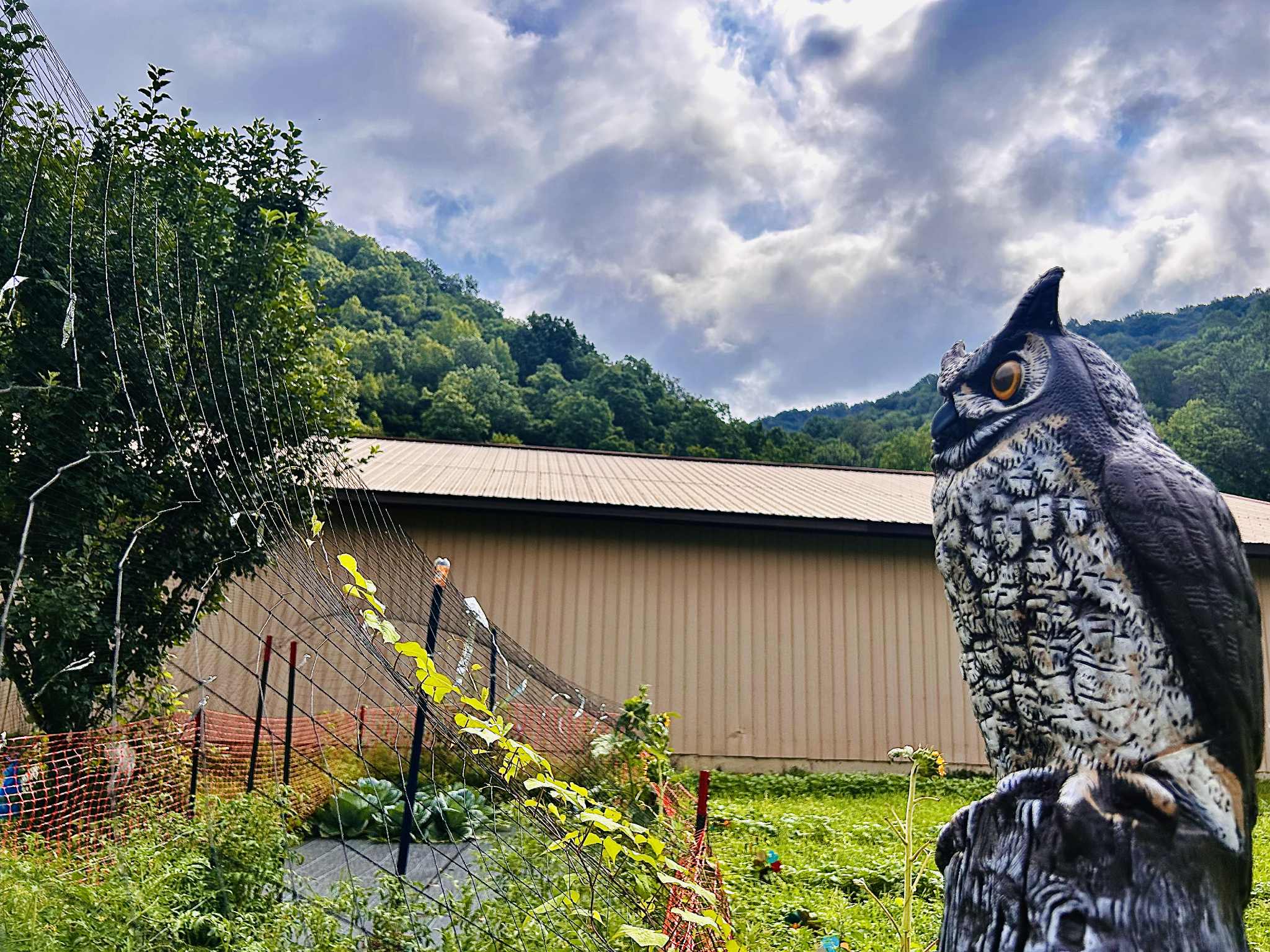
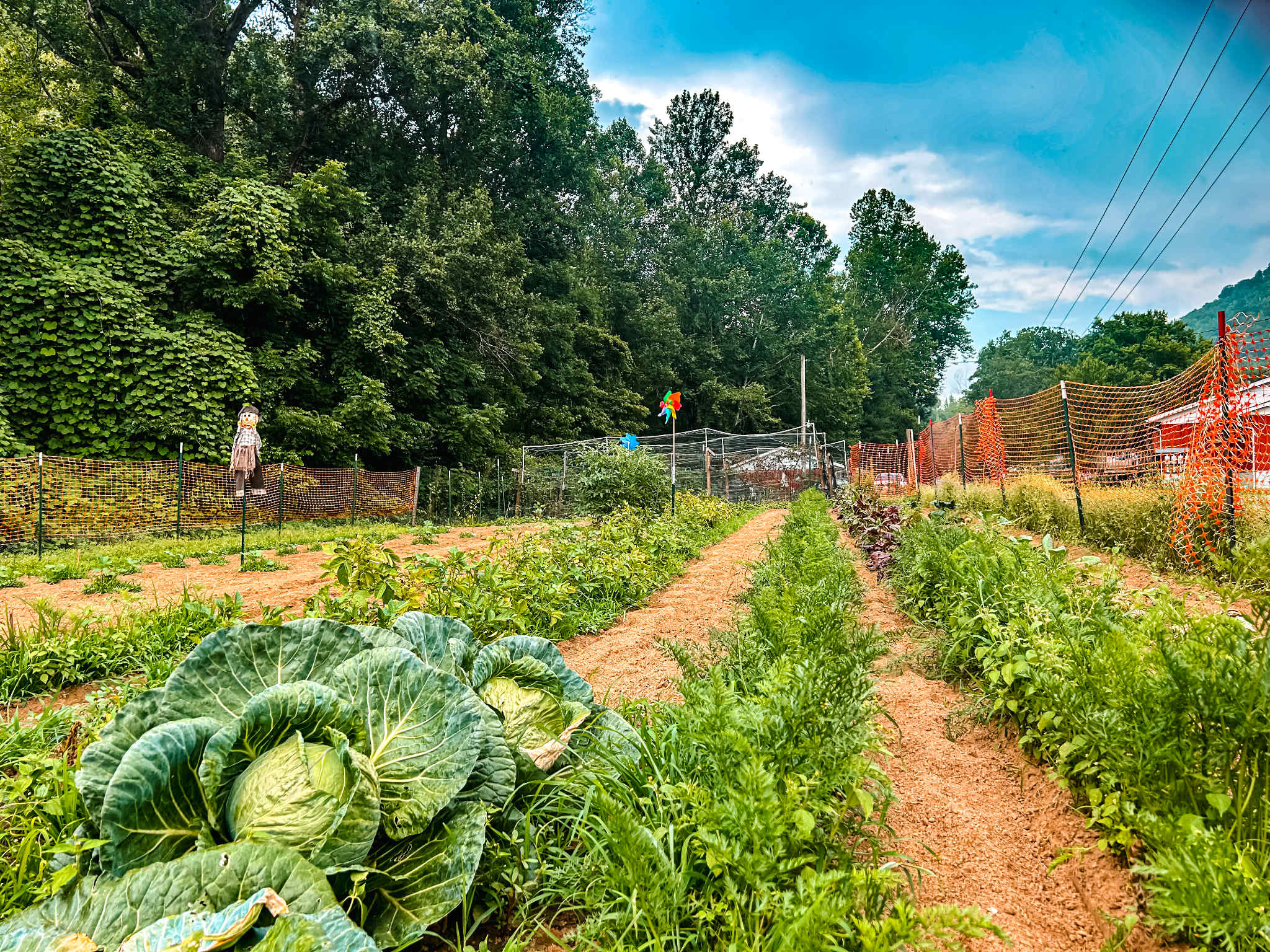
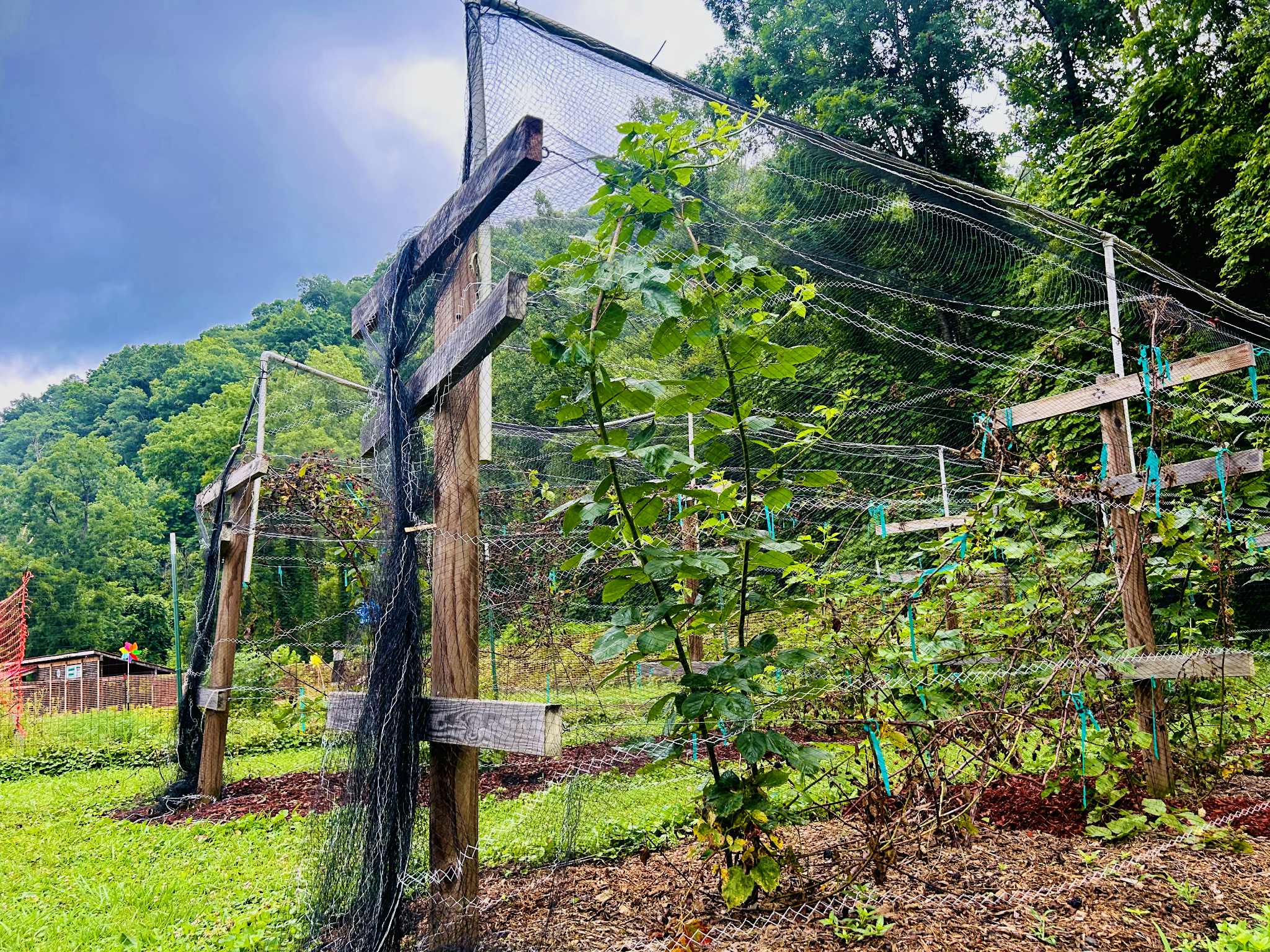
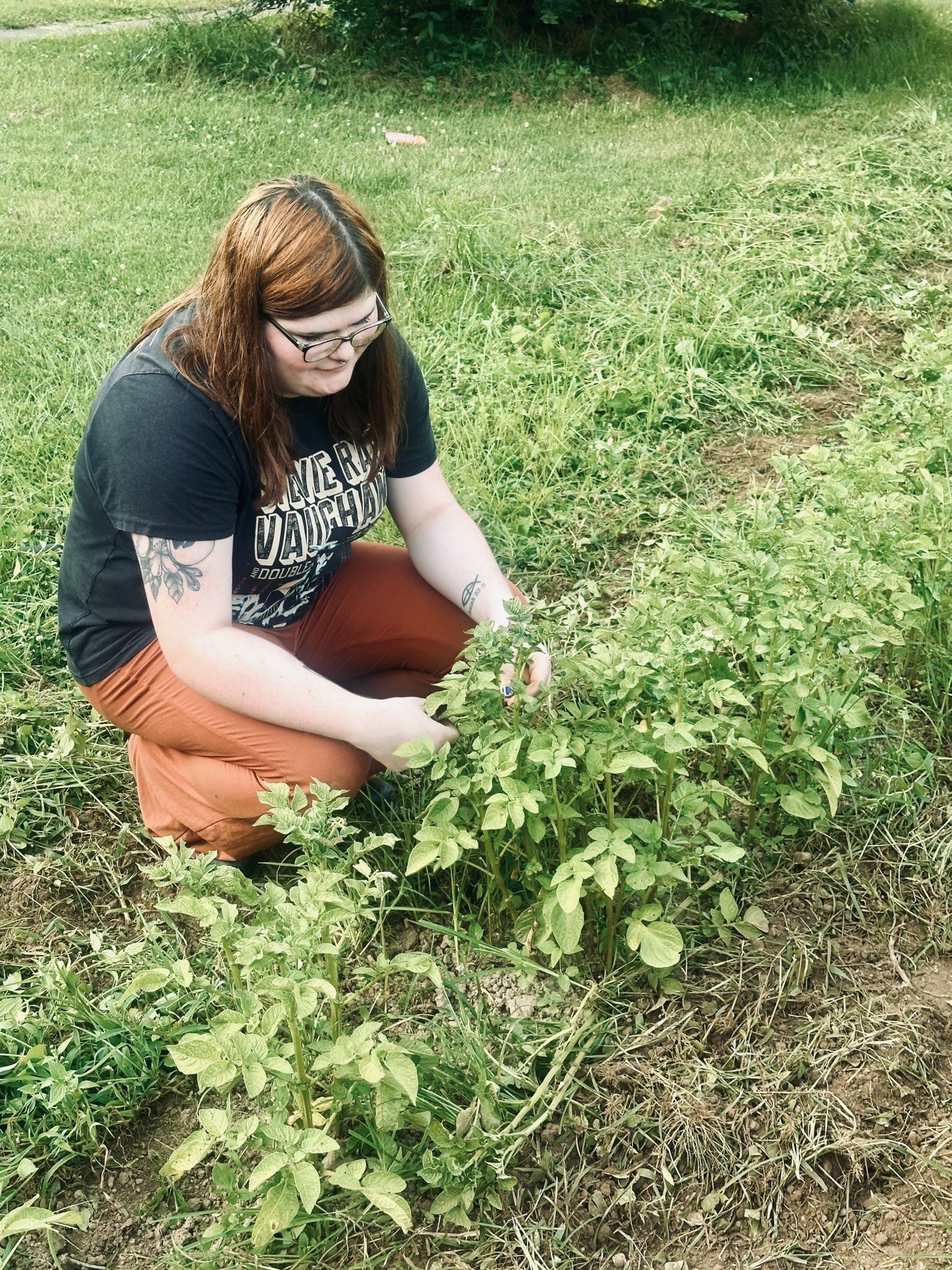
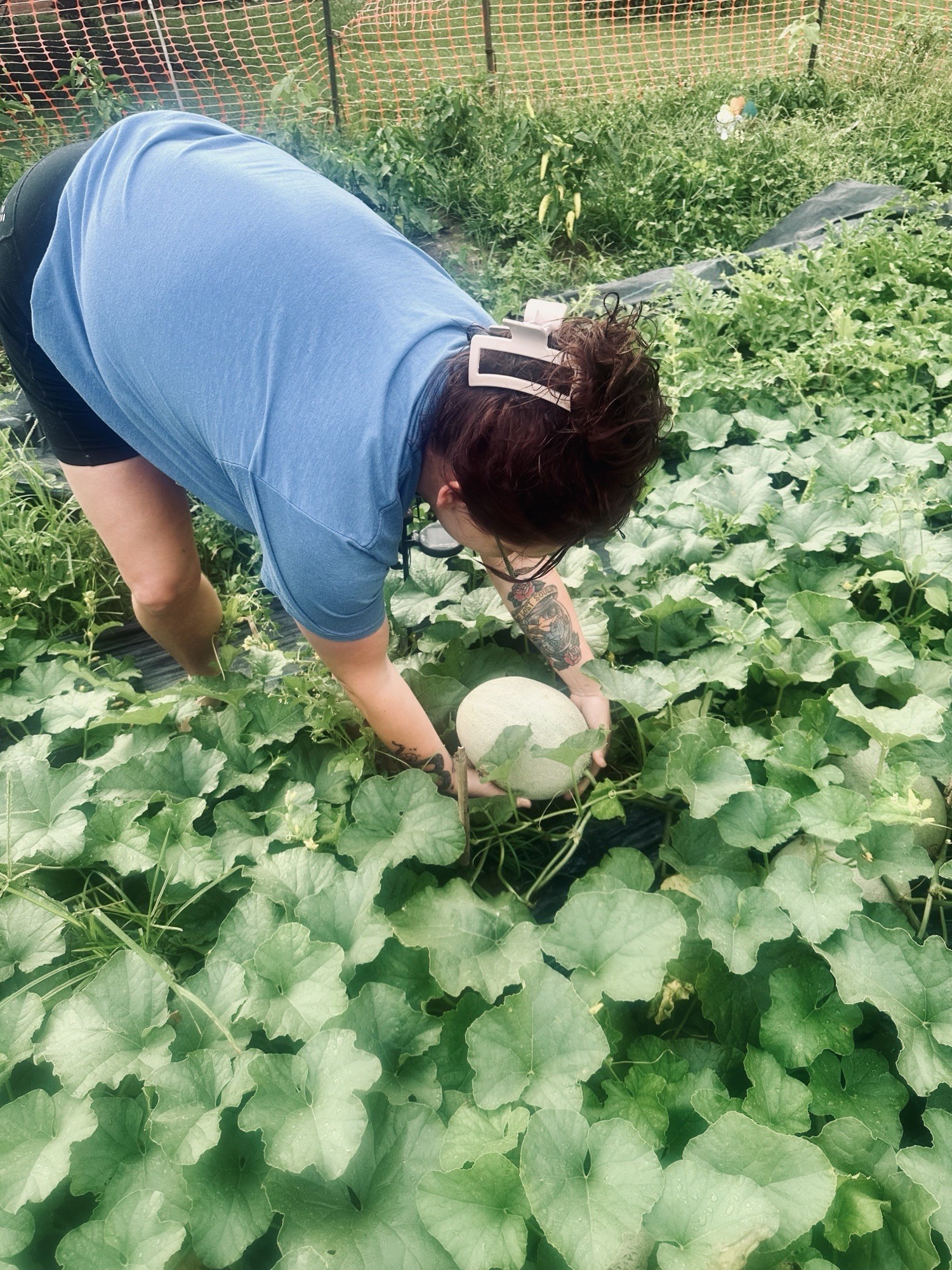
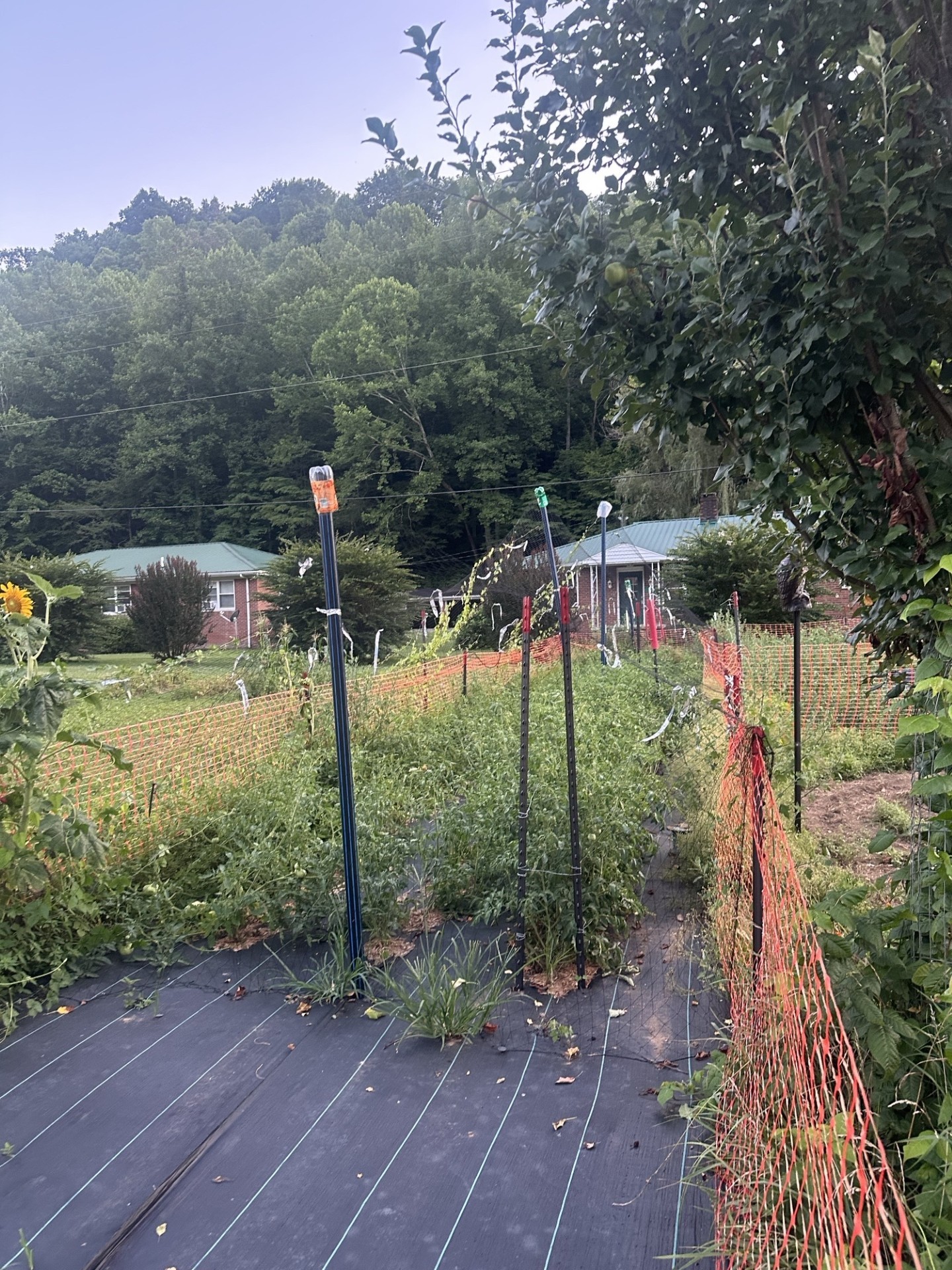
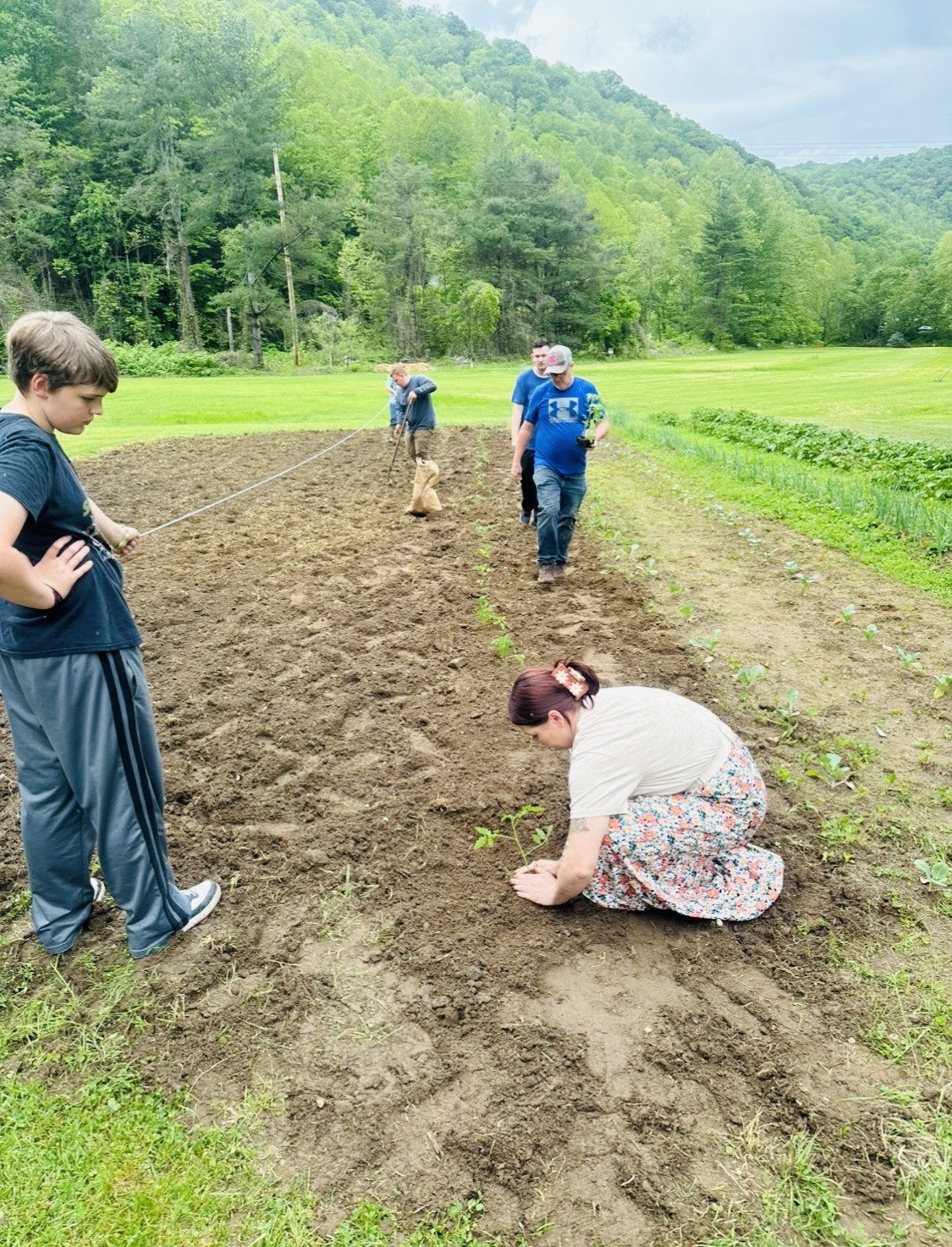
Visiting your garden daily will help you put a quick stop to common garden pests, such as potato bugs, cabbage worms, and deer
-
Why Visiting Your Garden Every Day Matters
In a world filled with busy schedules, endless notifications, and constant demands on our attention, a daily visit to your garden can become one of the most rewarding habits you develop. Whether you maintain a sprawling vegetable patch, a collection of flower beds, or a few containers on a balcony, spending even a few minutes in your garden each day offers benefits that go far beyond plant care.
Catch Problems Before They Grow
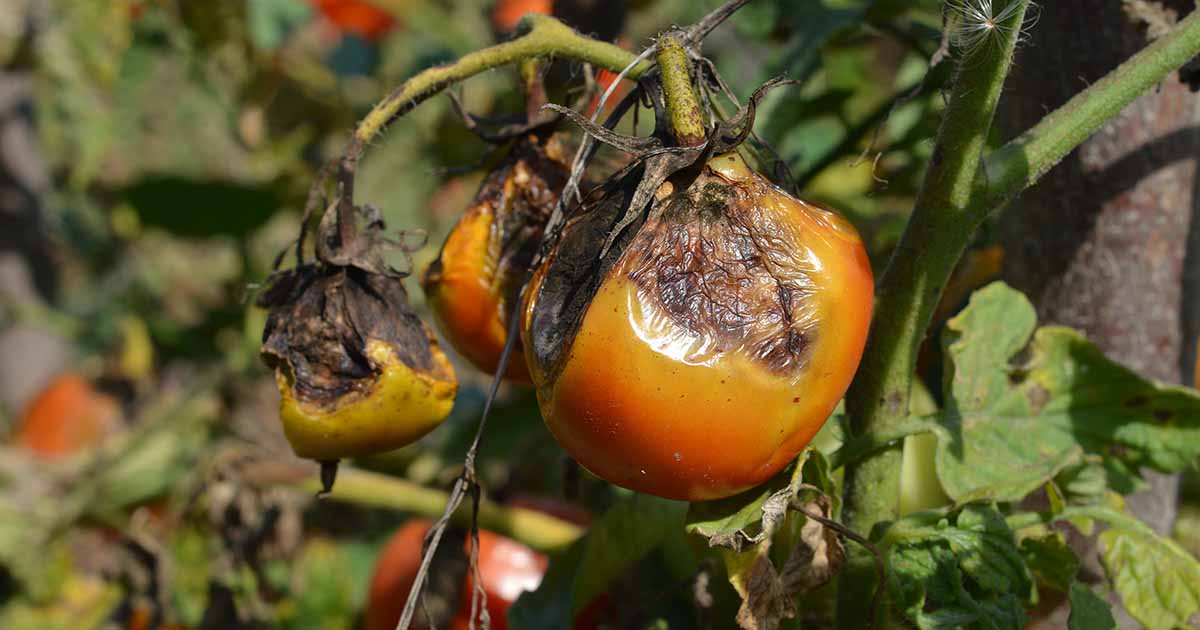
Plants change quickly. A healthy tomato plant can show signs of disease within days, and a small pest problem can become a major infestation before you know it. By visiting your garden daily, you give yourself the opportunity to spot issues early.
Look for:
- Wilting leaves
- Signs of insect damage
- Yellowing foliage
- Weeds beginning to emerge
- Dry soil that needs watering
Early intervention often means simpler solutions and healthier plants.
Build a Stronger Connection with Nature
A garden is a living, changing environment. Daily visits allow you to observe subtle transformations that are easy to miss when you only check in occasionally.
You might notice:
- A flower opening for the first time
- Pollinators visiting blooms
- New seedlings emerging from the soil
- Fruits ripening day by day
These small moments create a deeper appreciation for the natural world and help you become more attentive to seasonal rhythms.
Improve Your Mental Well-Being
Gardens have a unique ability to calm the mind. Spending a few quiet minutes outdoors can reduce stress, improve mood, and provide a welcome break from screens and daily pressures.
Many gardeners find that their daily garden walk becomes a form of mindfulness. Instead of rushing through tasks, they focus on the sights, sounds, and scents around them—the rustling leaves, the fragrance of flowers, and the activity of birds and beneficial insects.
Encourage Better Plant Growth
Consistent attention leads to better gardening decisions. Daily observation helps you understand what your plants need and when they need it.
You can:
- Water more effectively
- Harvest vegetables at peak ripeness
- Deadhead flowers to encourage more blooms
- Prune plants before growth becomes unmanageable
The result is often a healthier, more productive garden throughout the growing season.
Enjoy the Rewards of Progress
One of the greatest joys of gardening is watching your efforts pay off. Daily visits allow you to witness the gradual progress that makes gardening so satisfying.
A seed becomes a seedling. A bud becomes a flower. A flower becomes a fruit. By checking in every day, you experience each stage of the journey rather than only the final result.
Create a Positive Daily Routine
Healthy habits are often built around simple rituals. A morning stroll through the garden can help you start the day with intention, while an evening visit can provide a peaceful way to unwind.
Even five to ten minutes can make a difference. Over time, these visits become something you look forward to—a moment of calm and connection in an otherwise busy day.
Conclusion
Visiting your garden daily is about much more than maintaining plants. It helps you detect problems early, deepen your relationship with nature, support your mental well-being, and appreciate the beauty of growth and change. The more regularly you spend time in your garden, the more you notice, learn, and enjoy.
So tomorrow, step outside and take a walk among your plants. You may be surprised by how much has changed since yesterday—and by how much better you feel after spending a few moments in your own green space.
-
-
-
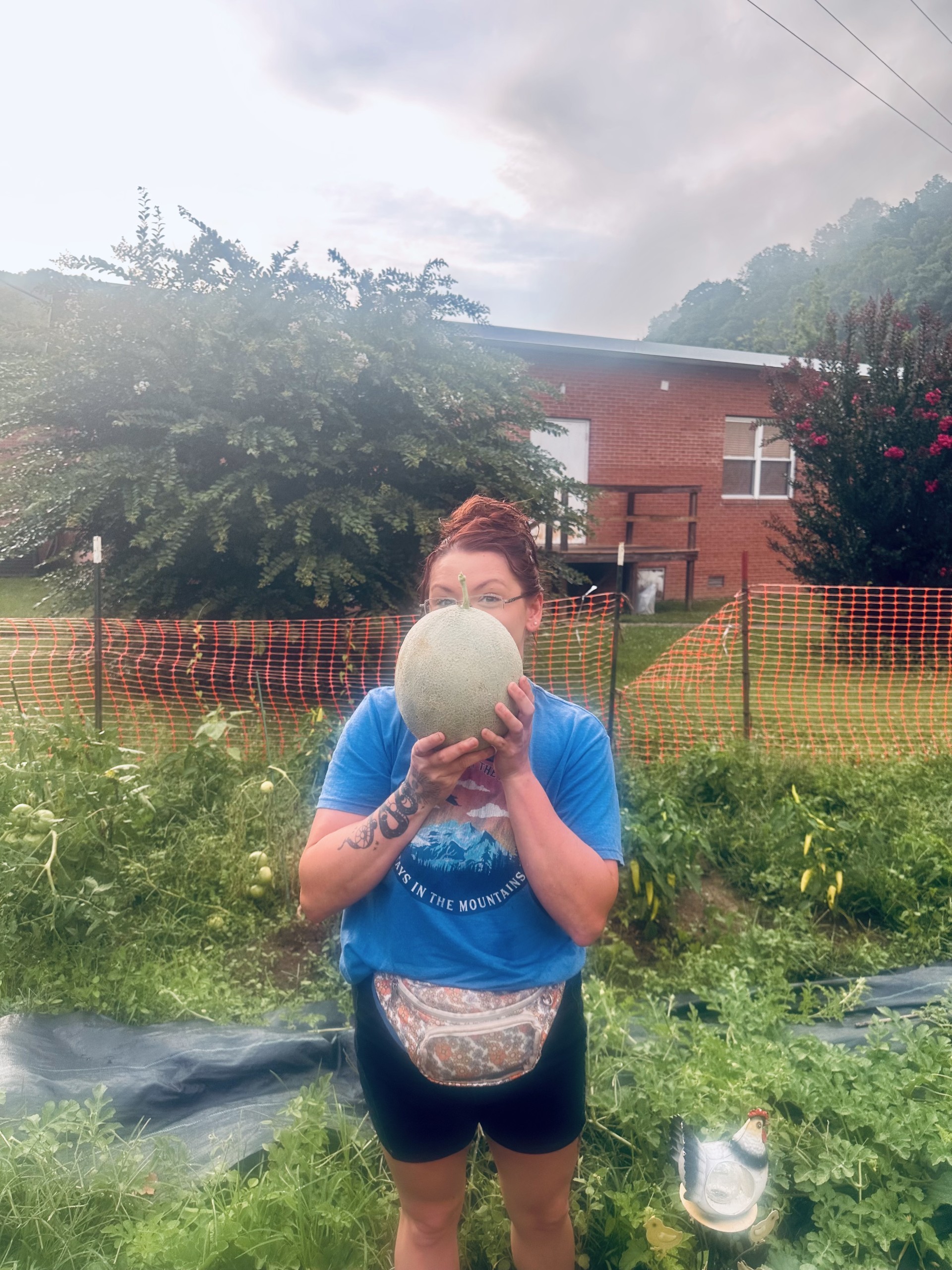
Your garden will look much better if you make daily visits and catch problems early
-

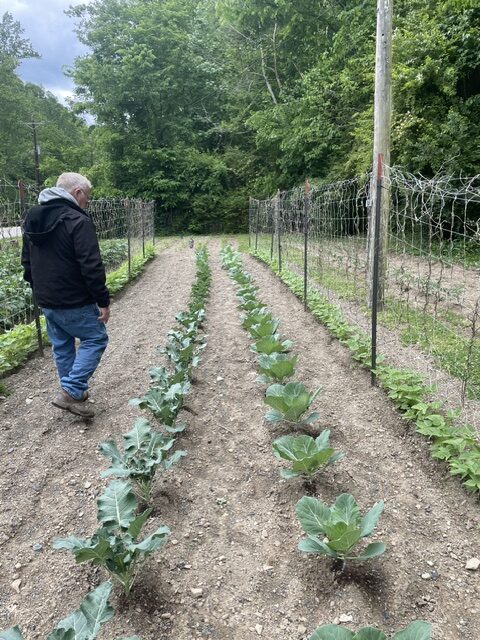
Red Bird GA Member Sylvester Nolan’s No-Till Garden
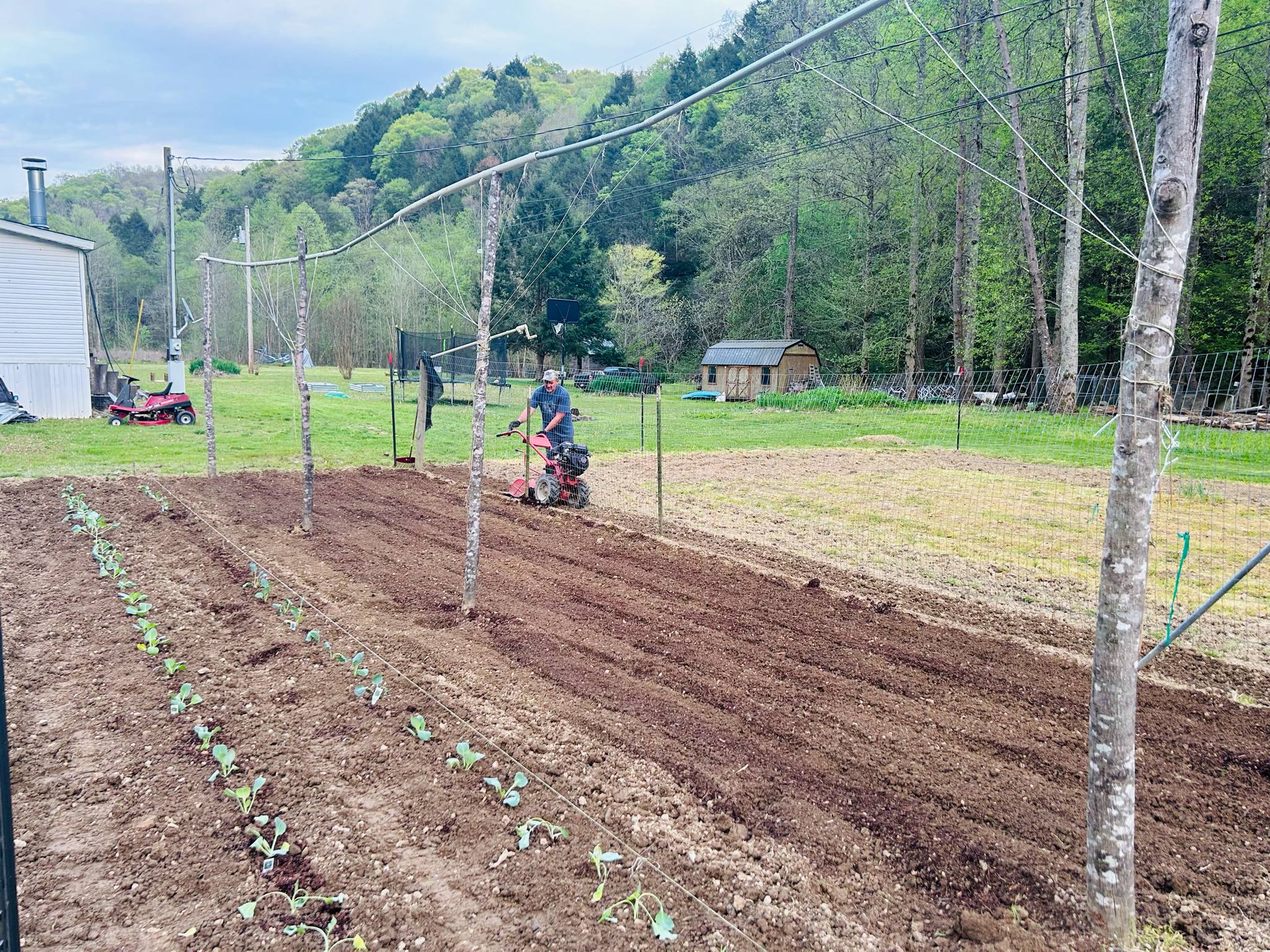
This spring has been unusually dry in the Red Bird River Valley. Many of our Grow Appalachia members have been watering their spring gardens due to the lack of rain this spring. Red Bird GA member Sylvester Nolan is trying something different this year. He says, “My garden is doing exceptionally well so far; I haven’t had to water at all when a lot of my
Why No-Till Gardening Shines During Dry Weather
When the rain disappears and the soil begins to crack, gardeners face one of their toughest challenges: keeping plants alive and productive under dry conditions. While irrigation and mulching often take center stage, one of the most powerful strategies is also one of the simplest—no-till gardening. By leaving the soil undisturbed, this method builds resilience right where it matters most: below the surface.
Preserving Soil Moisture
Tilling may seem like a good way to prepare soil, but it actually accelerates moisture loss. Turning the soil exposes damp layers to air and sunlight, allowing water to evaporate quickly. No-till gardening avoids this problem entirely. By keeping soil intact and covered with organic matter like compost or mulch, moisture stays locked in longer. During dry spells, this can mean the difference between thriving plants and stressed ones.
Improving Soil Structure
Healthy soil acts like a sponge, holding onto water and releasing it slowly to plant roots. Frequent tilling breaks down this structure, reducing the soil’s ability to retain moisture. In contrast, no-till methods encourage the formation of stable soil aggregates—small clumps that create space for air and water. Over time, this improved structure allows rain (when it does come) to soak in deeply rather than running off the surface.
Supporting Beneficial Microorganisms
Beneath your garden lies a complex ecosystem of fungi, bacteria, and other microorganisms that help plants access nutrients and water. Tilling disrupts these communities, especially the delicate fungal networks that extend root systems and improve drought tolerance. No-till gardening protects this underground life, allowing it to flourish and support plants during stressful dry periods.
Reducing Soil Erosion
Dry weather often comes with sudden, heavy rains that can wash away exposed soil. Tilled soil is especially vulnerable to erosion because it lacks protective cover and structure. No-till gardens, with their layers of mulch and intact soil, are far better equipped to absorb rainfall and resist being carried away. This not only preserves your garden beds but also keeps valuable nutrients in place.
Encouraging Deeper Root Growth
Plants grown in undisturbed soil tend to develop deeper, more robust root systems. Instead of staying near the surface where water quickly evaporates, roots penetrate deeper layers where moisture lingers longer. This natural adaptation makes plants more self-sufficient and less dependent on frequent watering.
Saving Time and Energy
Beyond its environmental benefits, no-till gardening is simply easier on the gardener. There’s no need for heavy digging or repeated soil preparation, which can be especially taxing in hot, dry weather. Instead, you can focus on adding organic matter, maintaining mulch, and monitoring plant health—tasks that are less labor-intensive and more sustainable over time.
A Smarter Approach to Dry Conditions
No-till gardening isn’t just a trend—it’s a practical response to increasingly unpredictable weather patterns. By preserving moisture, improving soil health, and supporting natural ecosystems, it creates a garden that can better withstand drought conditions with minimal intervention.
If you’re facing dry weather in your garden, consider putting the shovel aside. Sometimes, the best way to help your soil is simply to leave it alone.

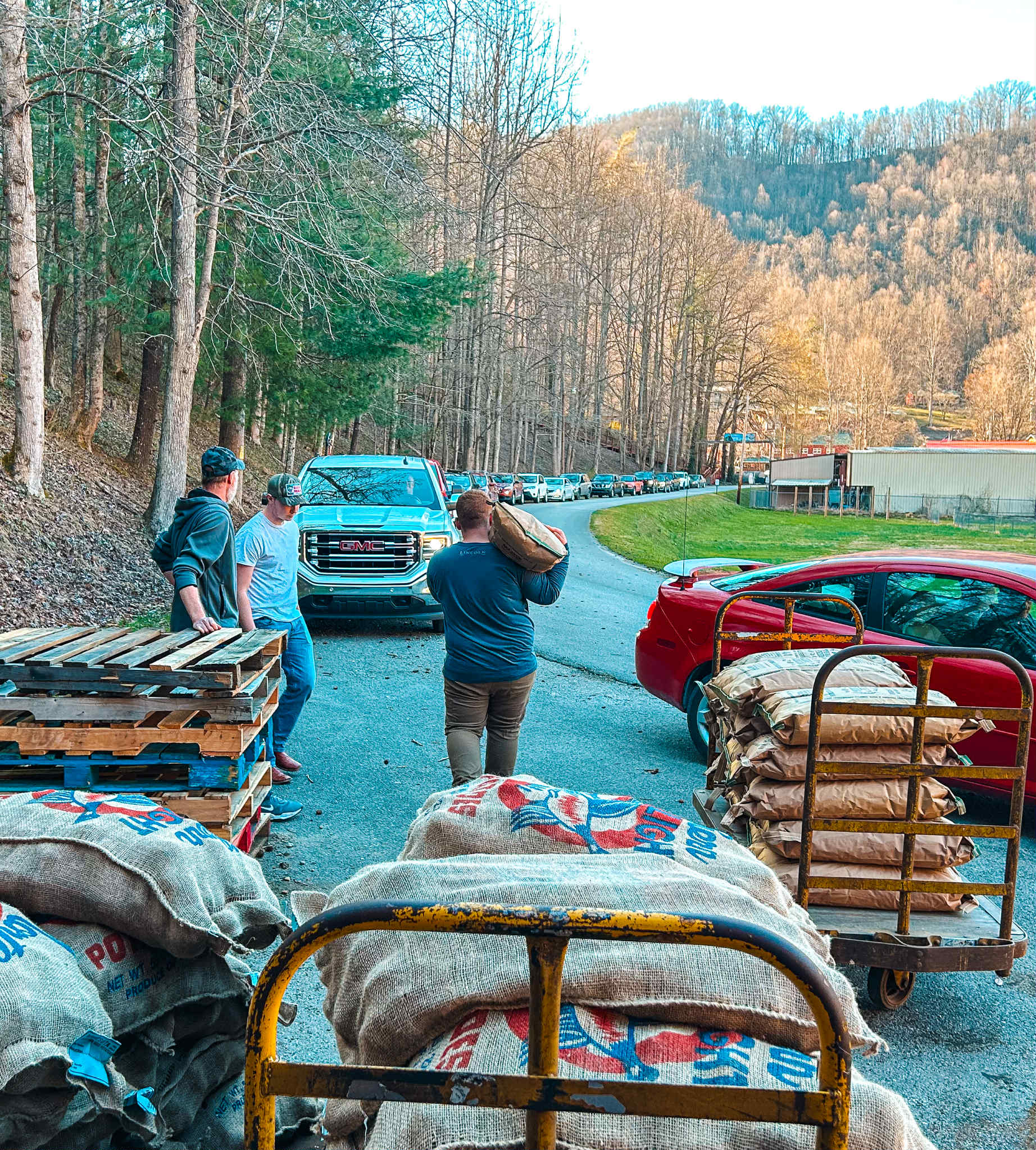
GA worker Pino Brock giving out spring plants

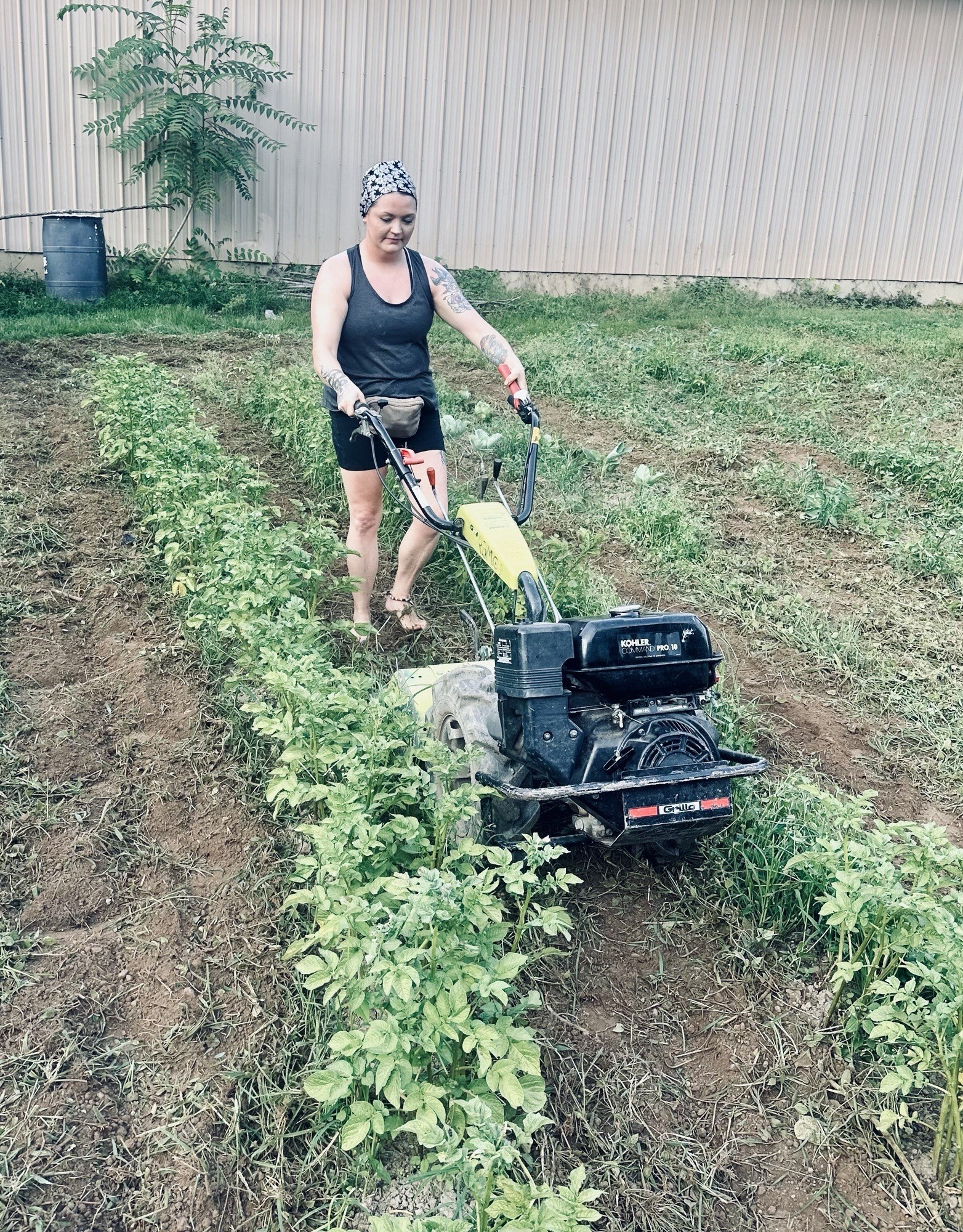
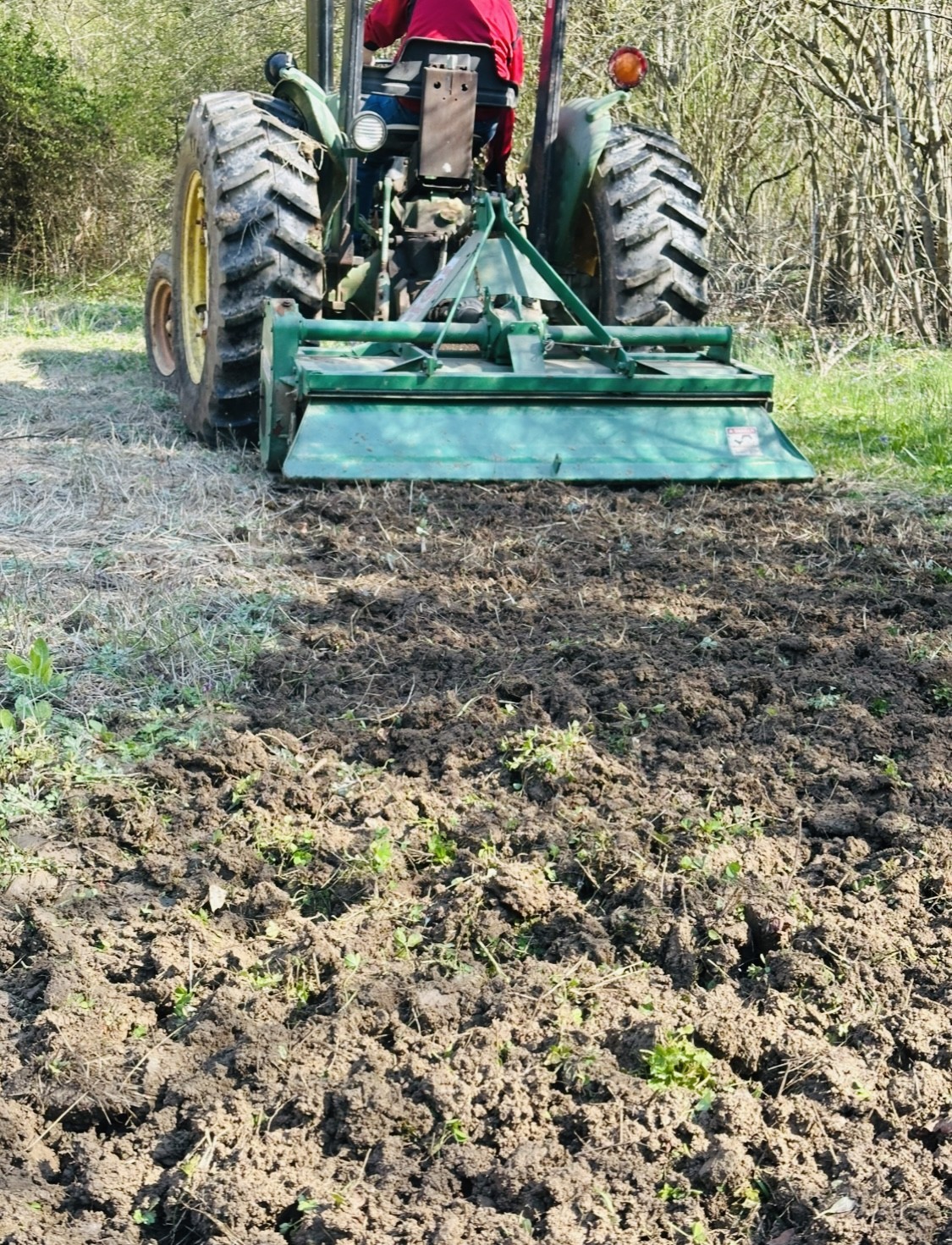
GA worker Pino Brock plowing for GA Members
If you’ve spent much time gardening in the mountains of Eastern Kentucky, you know how spring can play tricks on us.
One day the sun is shining, the birds are singing, and the thermometer is pushing into the upper 70s. After a long winter, that kind of weather can give anyone a serious case of spring fever. It makes you want to grab a shovel, turn the soil, and start planting tomatoes, peppers, and beans right away.
But around here, we know better—at least most of the time.
Because in Eastern Kentucky, it can be 75 degrees and beautiful one afternoon, and the very next morning you might wake up to snow on the ground and temperatures struggling to reach the 20s. The mountains have a way of reminding us that winter isn’t quite finished yet, no matter what the calendar says.
That’s where good garden planning comes into play.
I remember my grandpa starting his garden planning long before the first warm days of spring ever arrived. In fact, he usually started sometime in the middle of winter. He would sit at the kitchen table with a pencil, a cup of coffee, and his newest copy of the Old Farmer’s Almanac. Page by page, he would study the planting dates, weather predictions, and gardening tips before deciding exactly when and where each crop would go.
To him, gardening wasn’t just about putting seeds in the ground. It was about patience, preparation, and paying attention to the rhythms of the seasons.
That same spirit of planning was alive and well at our first Grow Appalachia meeting of the season here at Red Bird Mission. As folks gathered together, I overheard conversations between seasoned gardeners and first-time growers alike. Some were talking about frost dates and when to safely plant tomatoes. Others were discussing which varieties worked best in our mountain soil.
Those conversations are one of the best parts of the Grow Appalachia program. Knowledge gets passed around the room just like seeds at planting time. Experienced gardeners share what they’ve learned over many seasons, while new gardeners bring fresh excitement and questions that help all of us think more carefully about what we’re doing.
Spring may tease us with warm weather, but a good garden starts with patience and planning. Before the soil warms enough for planting, there’s plenty we can do—drawing garden plans, ordering seeds, preparing tools, and learning from one another.
The tomatoes, corn, beans, and squash will have their time soon enough.
For now, we’ll keep watching the weather, planning our gardens, and waiting for the mountains to give us the true signal that spring has finally arrived.
~Kelton~
As we close out the 2025 growing season here in the mountains of Eastern Kentucky, I keep thinking about hands.
Old hands, steady as a metronome after fifty summers of hoeing rows. New hands, still learning the weight of a good tomato and the feel of rain coming in the air. Some of our members are veterans at this, the kind who can read soil by sight and prayer. Some came in brand new, brave enough to try a first garden and see what happens.
Then something very Appalachian happened. They met in the middle. The elders and the newbies just.. worked. Stories were traded next to seed packets, laughs carried across the rows and a common love tied us up like twine. Generations making a perfect circle, passing the bucket, passing the know how, passing the heart.
We kept that circle strong at our Red Bird Mission Grow Appalachia meetings each month. Smiles, cackles, and the kind of learning you can taste. Guest speakers rolled through with recipes and wisdom. Folks went home with tools that actually made the work lighter. And every single time, the gratitude in that room could’ve lit the room without a switch.
Fridays turned into a standing date. The Farmers Market was the place to be and the absolute highlight of the week. It gave our gardeners a whole new kind of backbone. People ask them, “Did you grow this?” And with their head held high they answered, “yes.” That pride is medicine.
Bags emptied into the hands of neighbors, kids, and elders who needed good food on their tables.
Our community garden stayed a small haven through it all. Hopes and dreams sown into the earth with love and grit. If somebody’s beans needed tied, somebody showed up. If somebody’s back was tight, another person finished that row. We tended each other’s plots like family, because that’s what this place makes of people.
As the season winds down, I don’t see an ending. I see roots set deeper, hopes braided together, skills that won’t wash away with the frost. We grew food, yes. We also grew confidence. We grew neighbors into friends. We grew a wider table. That’s the quiet miracle of Grow Appalachia here at Red Bird Mission.
Plant a seed, feed a family, strengthen a holler, repeat. Berea College lit this spark years ago, and it keeps catching. Every jar given, every tool shared, every lesson taught, every dollar spent at a local table says the same thing.. we belong to each other.
Nestled in the heart of Appalachia, the Red Bird Mission has long been a beacon of resilience and community strength. Since the 1920s, the mission has been deeply involved in agricultural programs, sowing seeds of hope and self-sustainability in the region. However, it was in 2010 that a new chapter began, as Red Bird Mission partnered with Berea College to launch the Grow Appalachia program, a venture that has grown far beyond mere agriculture, fostering unity, cooperation, and a profound sense of belonging among its participants.
This year, the fruits of these efforts have blossomed into a vibrant community garden. With six members ranging from novice to seasoned gardeners, the garden is a microcosm of knowledge-sharing and collaboration. The mix of experience levels among the gardeners has proven to be a fertile ground for growth, not just in terms of produce but also in the bonds formed between individuals.
Imagine the seasoned gardener, skillfully guiding newcomers through the delicate art of planting, patiently explaining the rhythms of watering and harvesting. Their wealth of knowledge is invaluable, turning first-time watermelon and potato growers into confident and knowledgeable producers. This passing down of expertise is not only about cultivating plants; it’s about nurturing community connections and ensuring the longevity of these essential life skills.
The community garden has served as a critical resource for local families, supplying them with fresh, homegrown food. For some, it’s about putting food on the table for a single household, while for others, it means sharing the bounty with extended family members, including beloved grandmothers who cherish the taste of homegrown produce.
Yet, beyond the delicious harvests and the agricultural education, the true impact lies in the sense of unity and cooperation that the garden has fostered. Gardeners come together not only to share tools and tips but also to celebrate victories, troubleshoot challenges, and build lasting relationships. It’s about creating a space where everyone feels they belong, where new friendships bloom alongside tomatoes and peppers.
In this setting, the garden becomes a symbol of growth, resilience, and community strength. It’s a place where young and old alike come together, learning from one another and nurturing more than just plants. Each row of onions or bed of peppers testifies to the collaborative spirit and communal dedication that power the Grow Appalachia program.
In these times, when individualism often overshadows community, the Red Bird Mission’s garden stands firm as a testament to what can be achieved when people unite with a common goal. It’s not just about growing food; it’s about cultivating a future where knowledge, cooperation, and community spirit thrive, ensuring that the fruits of today feed the hopes of tomorrow.
Kelton
Welcome to May! As spring transitions into summer in the Appalachian region, warmer temperatures and increased rainfall are becoming more common especially the last few springs. While rain is essential for nurturing our crops, it can also create challenges, particularly in terms of blight and soil erosion.
The Impact of Long-Term Rainfall
Extended rainfall can lead to saturated soil conditions, providing an environment where diseases like downy mildew and blight can thrive. As part of our mission to improve food security in Appalachia, it’s crucial that we take proactive measures to address these weather-related challenges.
Strategies to Mitigate Rainfall Effects
Here are several effective methods to protect your plants against the impact of prolonged rainfall:
1. Crop Rotation: Rotating crops each season prevents the buildup of soil-borne pathogens, reducing the risk of blight and enhancing soil health.
2. Proper Drainage: Ensuring your garden beds have adequate drainage is essential. Raised beds can help facilitate better water movement, reducing the risk of waterlogging.
3. Mulching: Applying a layer of organic mulch around your plants retains soil moisture during dry spells while protecting against erosion during heavy rain. Additionally, mulch suppresses weeds, minimizing competition for nutrients.
4. Fungal Resistant Varieties: Selecting plant varieties known for their resistance to blight can significantly improve your prospects for a successful harvest, particularly under adverse weather conditions.
5. Regular Monitoring: Inspecting plants regularly for signs of disease allows for early detection. Prompt action—such as using organic fungicides—can help curb the spread of potential issues.
6. Adjusted Watering Schedule: During periods of frequent rain, be mindful of your watering routines. Over-watering can worsen drainage issues and impact root health.
Community Resilience
At Red Bird Mission, community support is crucial, especially in challenging times. Sharing knowledge and resources can make a significant difference. Gatherings, workshops, and online discussions foster relationships, providing platforms to exchange tips and experiences regarding weather impacts on crops.
Looking Ahead
As we navigate through May, let’s stay informed and prepared. Embracing sustainable practices will improve our harvests and strengthen community resilience in the face of unpredictable weather.
We’re all in this together! If you have questions or experiences to share, please reach out. Let’s work together to cultivate healthy, bountiful gardens while supporting one another through nature’s challenges.
Stay tuned for updates in July, and happy gardening! 🌱
Kelton
Diving into the must-do’s each season to maintain a thriving vegetable garden in the Appalachian Region of Kentucky
Brought to you by; Kelton Adams Red Bird Mission’s Grow Appalachia Program Coordinator
Tending a garden in the Appalachian hills is more than a pastime—it’s a way of life. From the first warm day of spring to the final harvest before the frost sets in, each season brings its own blessings and its own chores. Whether you’re just starting out or you’ve had your hands in the dirt for decades, these top ten tips will help keep your garden healthy, hearty, and full of good eatin’ year after year.
1. Start Strong in the Spring: Prep That Soil
Before you drop a single seed, your soil needs some TLC. Test your soil for pH and nutrients—Appalachian soil tends to be acidic, so you may need a touch of lime. Work in compost, well-rotted manure, or leaf mold to get that soil rich and crumbly. Think of it as breakfast for your garden.
2. Watch the Weather Like a Hawk
Spring in Kentucky can be a fickle friend. One day it’s sunny, the next there’s frost on the ground. Keep an eye on the forecast, and don’t be too quick to plant your warm-season crops. Tomatoes, peppers, and beans need the soil to warm up—aim for mid to late May just to be safe.
3. Mulch Early, Mulch Often
Once your seedlings are in, lay down a good layer of mulch—straw, newspaper, or even grass clippings (as long as they haven’t been sprayed with chemicals). Mulch keeps weeds down, moisture in, and the soil temperature just right.
4. Stay Ahead of Weeds
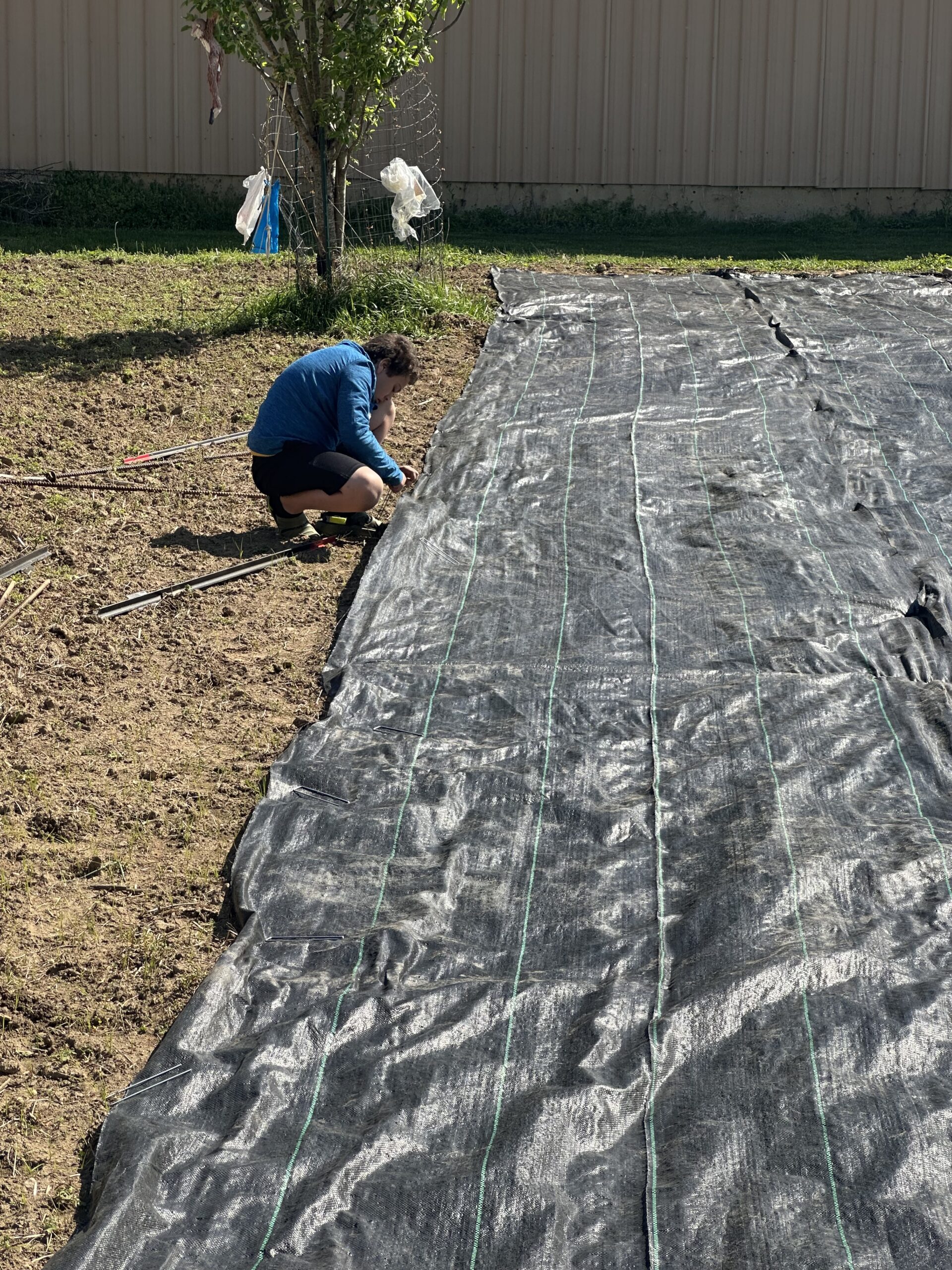
Weeds grow faster than a creek after a storm if you’re not careful. Don’t let ’em get the upper hand. Hoe lightly around your plants every week, and pull out any big offenders by hand. Or even consider putting down a weed barrier. Your beans and ‘maters will thank you.
5. Feed Regularly—But Don’t Overdo It
Mid-season, your plants will be working hard. Give them a boost with a balanced fertilizer or compost tea. But go easy—too much nitrogen can make your plants leafy but lazy when it comes to making fruit.
6. Water Deep, Not Just Often
In the heat of summer, a shallow sprinkle won’t cut it. Water deeply a couple of times a week—early in the morning is best. That way, the roots grow deep and strong.
7. Keep an Eye Out for Critters
Aphids, cabbage worms, squash bugs—you name it, we’ve got ‘em. Check your plants regularly, pick off pests by hand, and use natural solutions like neem oil or diatomaceous earth when needed. A healthy garden is one you keep a close eye on.
8. Harvest Often and With Care
Once things start coming in, don’t let your veggies get overripe or rot on the vine. The more you pick, the more your plants produce.
9. Prep for Fall in Late Summer
As summer winds down, start thinking about your fall crops—turnips, collards, kale, and beets love the cooler temps. Get them in the ground by late August or early September, and they’ll keep you fed well into the chilly months.
10. Clean Up and Cover Up Before Winter
Once the season’s done, don’t just walk away. Clear out dead plants, pull stakes, and clean your tools. Add compost or cover crops to your beds to keep the soil rich and ready for spring. Your future self will be mighty grateful.
Final Thoughts
Gardening in the mountains isn’t just about growing food—it’s about growing community, self-reliance, and a deeper connection to this land we call home. With a little planning, a lot of love, and a good bit of sweat, your Appalachian garden can feed body and soul through every season.
So tie up those boots, grab your hoe, and get to growin’. These hills are alive with promise, and your garden’s just waiting to thrive.
Red Bird Mission’s Grow Appalachia Program is proud to support mountain families as they dig in and grow strong. Together, we’re sowing the seeds of health, hope, and heritage—one garden at a time. www.redbirdky.org
After a long and cold winter, the Red Bird Mission is excited to kick off a brand new growing season! It’s the perfect time to shake off the frost and get our hands in the dirt again. Whether you are a new member or a returning gardener, we are so happy to see you and can’t wait to start planting!
This year, we are welcoming 55 members to the Red Bird Mission/Grow Appalachia program. Some of you are new faces, and some of you have been with us for many years. We are excited to meet our new gardeners and reconnect with the veteran gardeners who have been a part of our community for a while. Together, we will work hard to grow delicious, healthy food and share lots of fun and learning along the way.
Why is this season so special?
Spring brings new opportunities, and we are ready to take on the challenges that come with it. We will plant seeds, grow vegetables, and enjoy watching the gardens come to life. It’s amazing to see how a tiny seed can turn into something big and beautiful. As the weather warms up, we’ll be busy tending to our plants, learning new gardening tips, and helping each other out along the way.
For many people, gardening is more than just growing food. It’s about connecting with the earth, being outside in nature, and spending time with friends and neighbors. At Red Bird Mission, we work together to make sure everyone has the tools and support they need to succeed. No one has to garden alone!
What to expect this year
This year’s growing season will be full of learning opportunities. We’ll have gardening workshops, workdays, and plenty of chances to ask questions. If you’re a new gardener, don’t worry – we’re here to help! Our experienced gardeners will be there to share their wisdom and tips.
We’ll also be focusing on growing a variety of fruits and vegetables, like tomatoes, beans, peppers, and more. You’ll learn how to care for these plants from start to finish, and hopefully, you’ll get to enjoy the fruits of your labor by the end of the season!
Let’s Get Started!
As we kick off this growing season, we want to remind everyone that gardening is a team effort. Whether you’re new to the program or have been with us for years, we’re all here to help one another. Together, we’ll make this season the best one yet!
We can’t wait to see all the new plants grow and all the smiles as we work in the gardens. Let’s make this season full of fun, learning, and lots of fresh food!
Here’s to a great start to the growing season at Red Bird Mission! Happy planting, everyone! 🌱🌻🌽
We had such a great time at the Red Bird Mission/Grow Appalachia End-of-Season Potluck Dinner! Gathering with around 27 of our GA member partners was a true highlight, filled with joy, laughter, and an abundance of delicious food.

Building Connections
The evening radiated warmth and camaraderie. The smiles on everyone’s faces created an atmosphere of belonging that was simply inspiring. It’s these moments that remind us why we come together: to share our experiences, support each other, and celebrate our collective journey.
Culinary Delights
The potluck featured an incredible array of dishes that showcased GA members foods grown in their gardens and the culinary skills and creativity of our members. Each plate told a story, reflecting the rich traditions and innovative spirit within our community. From savory to sweet, the food was a testament to the hard work and love that everyone puts into their cooking.
Thank You!
A huge thank you to all who attended and contributed to making this evening so memorable. Your presence and the dishes you brought truly made it special. It’s this kind of collaboration and support that makes our community thrive.
Looking Forward
As we wrap up this season, we can’t help but feel excited about what lies ahead in 2025. Here’s to more shared meals, more laughter, and another year of growth and connection!
Thank you for being a part of this journey with us!
Kelton
Nestled in the Appalachian mountains of Southeastern Kentucky, the Red Bird Missions Grow Appalachia program aims to bolster local food security and promote sustainable agriculture. By providing resources and education on gardening techniques, this initiative empowers families to cultivate their own food, which is pivotal in a region where food deserts are prevalent. As winter approaches, it’s crucial to prepare your garden properly to ensure a thriving yield for the next growing season.
Putting Your Garden to Rest for Winter
1. Clean Up Debris: Remove spent plants, weeds, and fallen leaves. This helps prevent disease and pest issues in the spring.
2. Soil Testing: Conduct a soil test to determine nutrient levels and pH. Understanding your soil composition aids in making informed amendments.
3. Mulching: Apply a thick layer of organic mulch to protect soil from erosion, regulate temperature, and retain moisture.
4. Cover Crops: Plant cover crops like rye, clover, or vetch. These crops protect soil from erosion, suppress weeds, and enhance soil structure.
5. Composting: Add compost to your garden beds to introduce organic matter and beneficial microbes.
Adding Nitrogen Naturally
Healthy plants require nitrogen to grow robustly and produce a bountiful harvest. Here are some natural ways to replenish soil nitrogen:
1. Leguminous Cover Crops: Plants like clover, peas, and beans fix atmospheric nitrogen into the soil through their root nodules. Planting these during off-seasons helps enrich the soil for future crops.
2. Animal Manure: Manure from herbivores such as cows, horses, and rabbits is rich in nitrogen. Be sure to compost it thoroughly to avoid burning plants and ensure pathogens are broken down.
3. Composted Kitchen Scraps: Vegetable peels, coffee grounds, and other kitchen waste are excellent for compost. They break down into rich compost that enhances soil nitrogen.
4. Grass Clippings and Green Manure: Fresh grass clippings act as a green manure, providing quick-release nitrogen when decomposed. Incorporate them into your compost or apply directly as mulch.
5. Fish Emulsion: Derived from fish waste, this liquid fertilizer is high in nitrogen and works well as a foliar feed or soil drench.
Conclusion
Preparing your garden for winter and replenishing soil nitrogen naturally is crucial for sustainability and productivity. Programs like Red Bird Missions Grow Appalachia not only promote self-reliance through knowledge and resources but also help cultivate resilient gardening practices within communities. By following these winterizing tips and natural nitrogen-boosting techniques, you can ensure a healthy garden ready to thrive in the coming seasons.
~Kelton~