Why Visiting Your Garden Every Day Matters

In a world filled with busy schedules, endless notifications, and constant demands on our attention, a daily visit to your garden can become one of the most rewarding habits you develop. Whether you maintain a sprawling vegetable patch, a collection of flower beds, or a few containers on a balcony, spending even a few minutes in your garden each day offers benefits that go far beyond plant care.

Catch Problems Before They Grow

Plants change quickly. A healthy tomato plant can show signs of disease within days, and a small pest problem can become a major infestation before you know it. By visiting your garden daily, you give yourself the opportunity to spot issues early.

Look for:

  • Wilting leaves
  • Signs of insect damage
  • Yellowing foliage
  • Weeds beginning to emerge
  • Dry soil that needs watering

Early intervention often means simpler solutions and healthier plants.

Build a Stronger Connection with Nature

A garden is a living, changing environment. Daily visits allow you to observe subtle transformations that are easy to miss when you only check in occasionally.

You might notice:

  • A flower opening for the first time
  • Pollinators visiting blooms
  • New seedlings emerging from the soil
  • Fruits ripening day by day

These small moments create a deeper appreciation for the natural world and help you become more attentive to seasonal rhythms.

Improve Your Mental Well-Being

Gardens have a unique ability to calm the mind. Spending a few quiet minutes outdoors can reduce stress, improve mood, and provide a welcome break from screens and daily pressures.

Many gardeners find that their daily garden walk becomes a form of mindfulness. Instead of rushing through tasks, they focus on the sights, sounds, and scents around them—the rustling leaves, the fragrance of flowers, and the activity of birds and beneficial insects.

Encourage Better Plant Growth

Consistent attention leads to better gardening decisions. Daily observation helps you understand what your plants need and when they need it.

You can:

  • Water more effectively
  • Harvest vegetables at peak ripeness
  • Deadhead flowers to encourage more blooms
  • Prune plants before growth becomes unmanageable

The result is often a healthier, more productive garden throughout the growing season.

Enjoy the Rewards of Progress

One of the greatest joys of gardening is watching your efforts pay off. Daily visits allow you to witness the gradual progress that makes gardening so satisfying.

A seed becomes a seedling. A bud becomes a flower. A flower becomes a fruit. By checking in every day, you experience each stage of the journey rather than only the final result.

Create a Positive Daily Routine

Healthy habits are often built around simple rituals. A morning stroll through the garden can help you start the day with intention, while an evening visit can provide a peaceful way to unwind.

Even five to ten minutes can make a difference. Over time, these visits become something you look forward to—a moment of calm and connection in an otherwise busy day.

Conclusion

Visiting your garden daily is about much more than maintaining plants. It helps you detect problems early, deepen your relationship with nature, support your mental well-being, and appreciate the beauty of growth and change. The more regularly you spend time in your garden, the more you notice, learn, and enjoy.

So tomorrow, step outside and take a walk among your plants. You may be surprised by how much has changed since yesterday—and by how much better you feel after spending a few moments in your own green space.

                                                                                                                   Red Bird GA Member Sylvester Nolan’s No-Till Garden

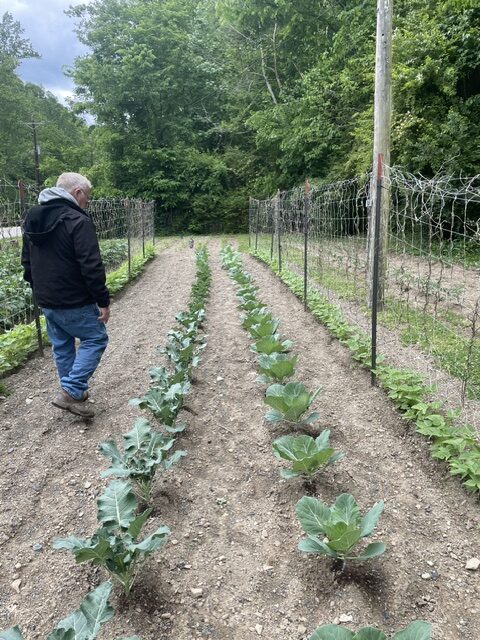
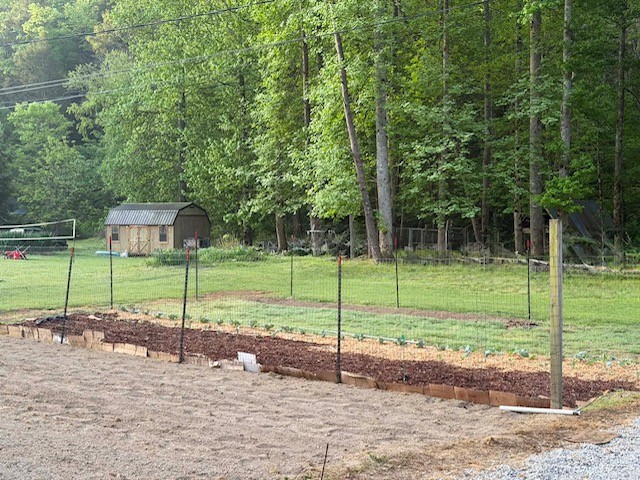
This spring has been unusually dry in the Red Bird River Valley. Many of our Grow Appalachia members have been watering their spring gardens due to the lack of rain this spring. Red Bird GA member Sylvester Nolan is trying something different this year. He says, “My garden is doing exceptionally well so far; I haven’t had to water at all when a lot of my

Why No-Till Gardening Shines During Dry Weather

When the rain disappears and the soil begins to crack, gardeners face one of their toughest challenges: keeping plants alive and productive under dry conditions. While irrigation and mulching often take center stage, one of the most powerful strategies is also one of the simplest—no-till gardening. By leaving the soil undisturbed, this method builds resilience right where it matters most: below the surface.

Preserving Soil Moisture

Tilling may seem like a good way to prepare soil, but it actually accelerates moisture loss. Turning the soil exposes damp layers to air and sunlight, allowing water to evaporate quickly. No-till gardening avoids this problem entirely. By keeping soil intact and covered with organic matter like compost or mulch, moisture stays locked in longer. During dry spells, this can mean the difference between thriving plants and stressed ones.

Improving Soil Structure

Healthy soil acts like a sponge, holding onto water and releasing it slowly to plant roots. Frequent tilling breaks down this structure, reducing the soil’s ability to retain moisture. In contrast, no-till methods encourage the formation of stable soil aggregates—small clumps that create space for air and water. Over time, this improved structure allows rain (when it does come) to soak in deeply rather than running off the surface.

Supporting Beneficial Microorganisms

Beneath your garden lies a complex ecosystem of fungi, bacteria, and other microorganisms that help plants access nutrients and water. Tilling disrupts these communities, especially the delicate fungal networks that extend root systems and improve drought tolerance. No-till gardening protects this underground life, allowing it to flourish and support plants during stressful dry periods.

Reducing Soil Erosion

Dry weather often comes with sudden, heavy rains that can wash away exposed soil. Tilled soil is especially vulnerable to erosion because it lacks protective cover and structure. No-till gardens, with their layers of mulch and intact soil, are far better equipped to absorb rainfall and resist being carried away. This not only preserves your garden beds but also keeps valuable nutrients in place.

Encouraging Deeper Root Growth

Plants grown in undisturbed soil tend to develop deeper, more robust root systems. Instead of staying near the surface where water quickly evaporates, roots penetrate deeper layers where moisture lingers longer. This natural adaptation makes plants more self-sufficient and less dependent on frequent watering.

Saving Time and Energy

Beyond its environmental benefits, no-till gardening is simply easier on the gardener. There’s no need for heavy digging or repeated soil preparation, which can be especially taxing in hot, dry weather. Instead, you can focus on adding organic matter, maintaining mulch, and monitoring plant health—tasks that are less labor-intensive and more sustainable over time.

A Smarter Approach to Dry Conditions

No-till gardening isn’t just a trend—it’s a practical response to increasingly unpredictable weather patterns. By preserving moisture, improving soil health, and supporting natural ecosystems, it creates a garden that can better withstand drought conditions with minimal intervention.

If you’re facing dry weather in your garden, consider putting the shovel aside. Sometimes, the best way to help your soil is simply to leave it alone.

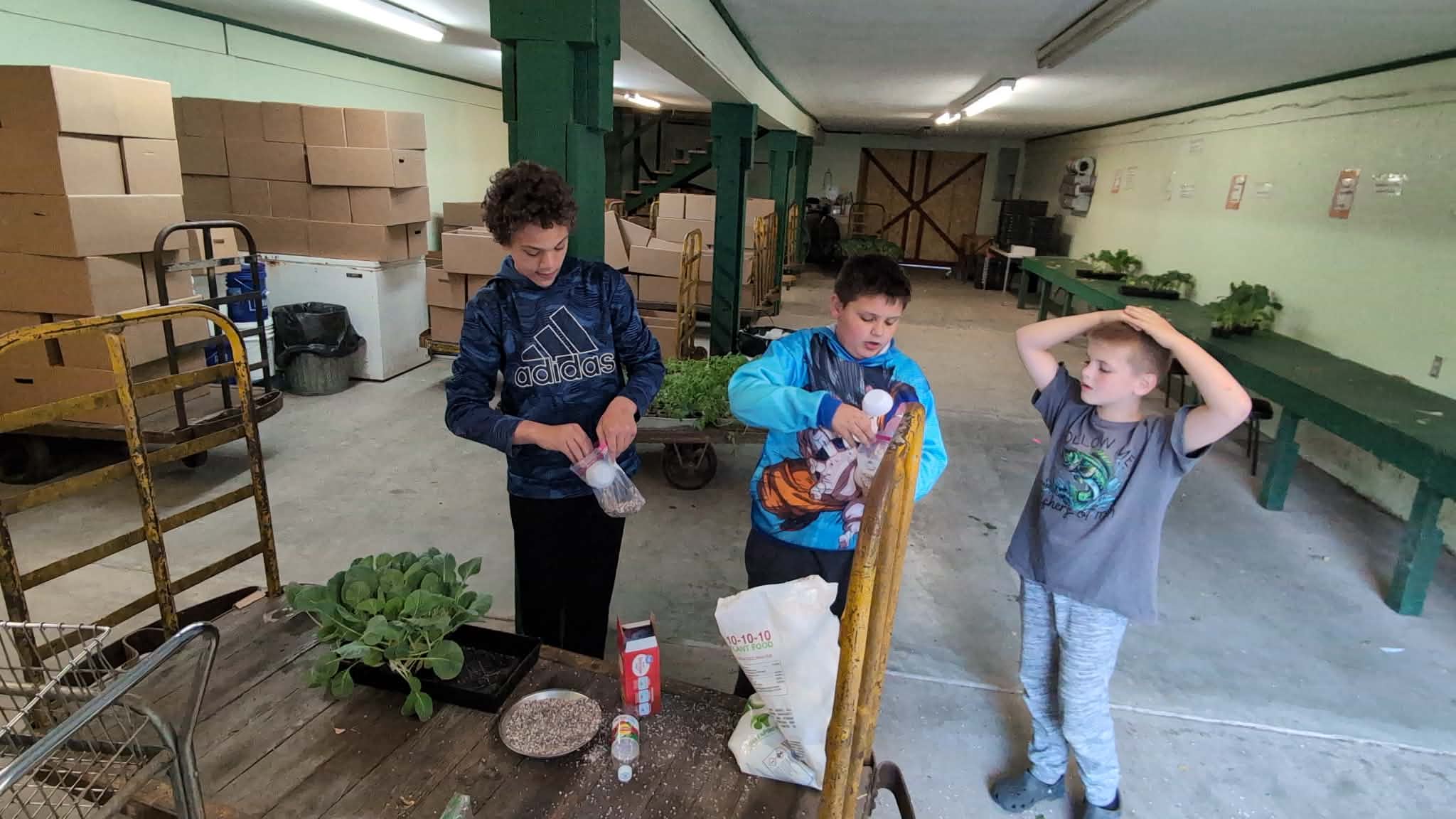
GA worker Pino Brock giving out spring plants

                                                                                                                           GA worker Pino Brock plowing for GA Members