
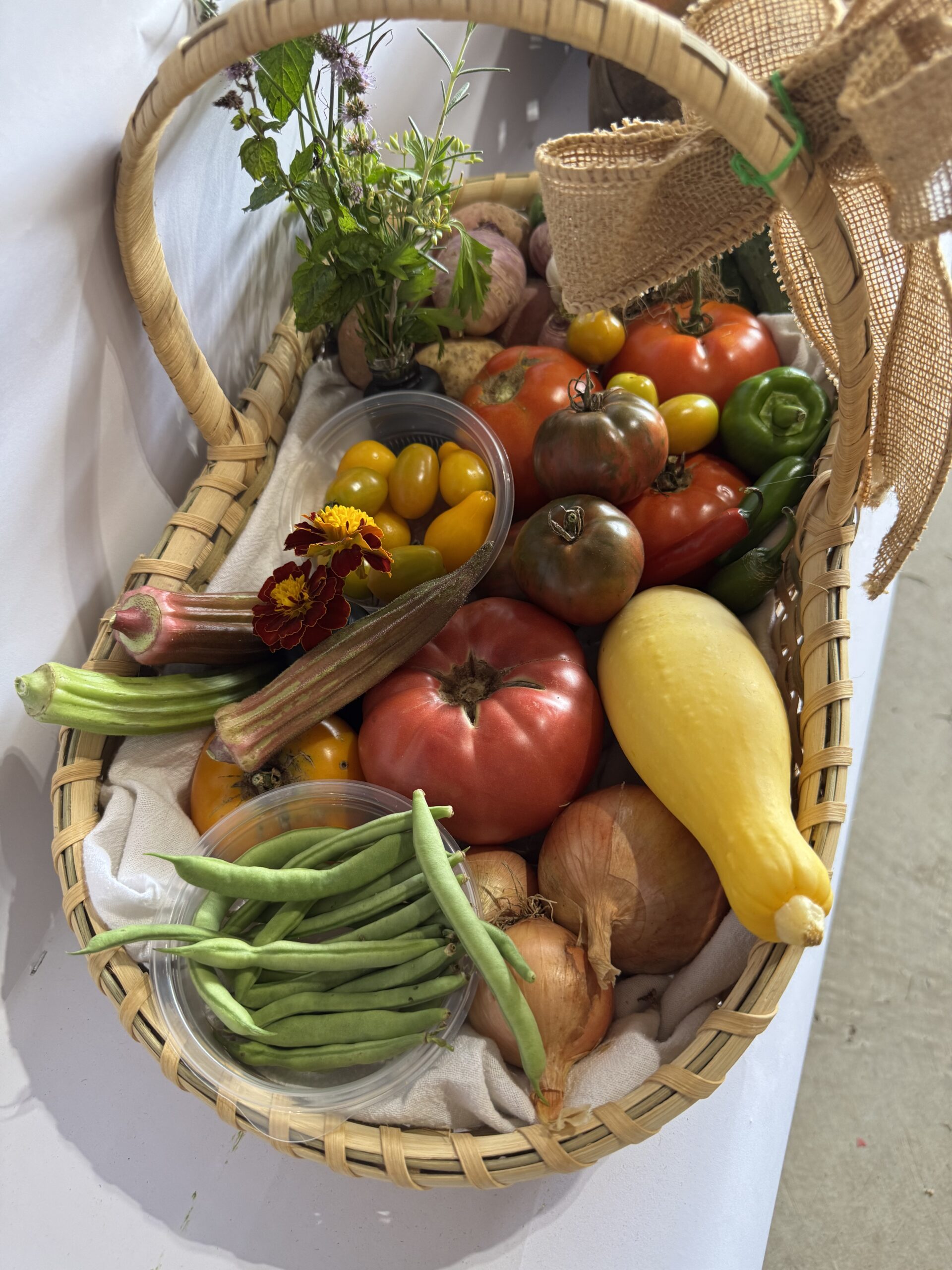
And just like that, another Grow Appalachia season is coming to a close.
It always amazes me how quickly a growing season passes. In the spring, we begin with seeds, tiny plants, freshly worked soil, and lots of plans for what we hope the year will bring. Before we know it, gardens are overflowing, kitchens are busy, jars are filling pantry shelves, and we are already talking about what we want to grow next year.
This year gave us plenty of challenges. The summer heat tested our gardeners and our gardens. But through it all, things kept growing, and so did we.
One of my favorite parts of Grow Appalachia has always been that there is something new to learn every year. We had some wonderful classes this season, and they reminded us that growing food can be practical, creative, and a whole lot of fun.
We learned about everything from gardening and food preservation to raising rabbits. Our rabbit class was especially fun and gave participants a chance to learn about another way families can produce food at home.
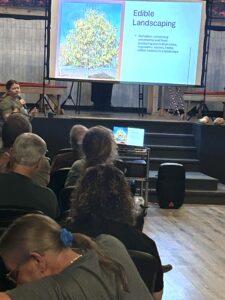
We ended the season with a wonderful class on edible landscaping, exploring ways to grow plants that are both beautiful and useful. It was such a fitting class for the end of the year because it gave us new ideas to carry into the next growing season.
And, of course, the gardens themselves told the story of the year.
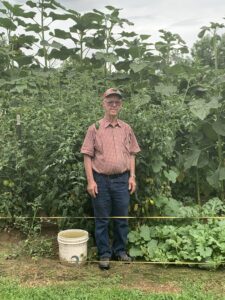
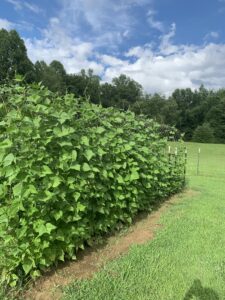
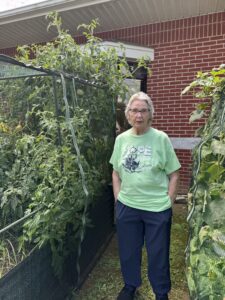
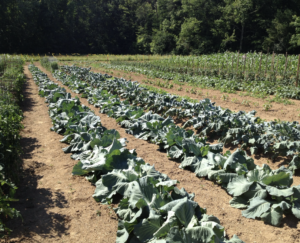
There were so many wonderful varieties of vegetables, fruits, and herbs. Some gardens were large and some were small. Some belonged to experienced gardeners, while others were tended by people still discovering what they could grow.
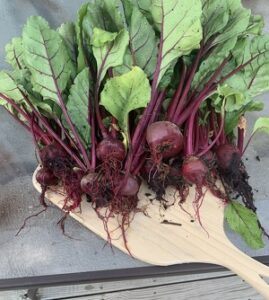
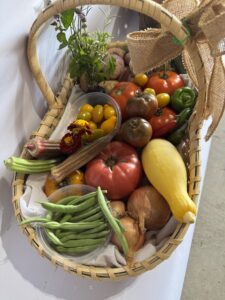
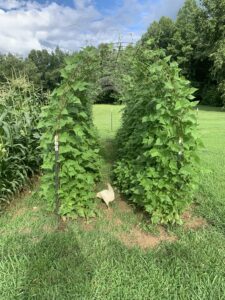
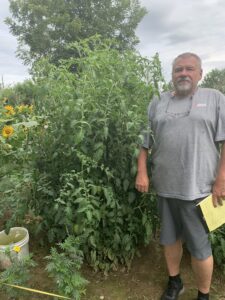
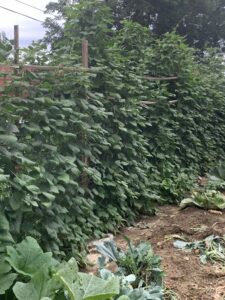
As summer turned toward fall, much of that harvest made its way from the garden into kitchens and canning jars. As the canning season winds down, our Grow Appalachia participants are admiring the beautiful jars sitting on their shelves shining like jewels. Dark crimson beets, beautiful green beans, bright pickles that make your lips pucker in anticipation, orange peaches, blackberry jelly and juicy red tomatoes. Each jar a reminder of their hard work and their connection to the land.
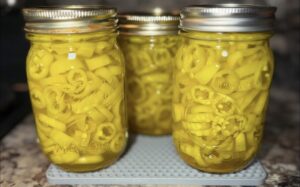
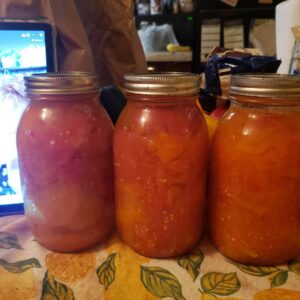
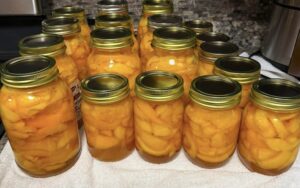
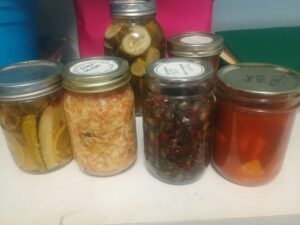
Each jar represents more than food put away for winter. It represents seeds planted, weeds pulled, hot days spent in the garden, something new learned, and the satisfaction of knowing, “I grew this.”
Now autumn has arrived in our Appalachian mountains. The mornings are cooler. The trees are beginning to show their fall colors. Gardens are being cleaned out and prepared for winter, although patches of mustard, collards, cabbage and other cool-season vegetables are still hanging on.
And somewhere, gardeners are already thinking about next year. Half-used seed packets may still be sitting on kitchen tables, along with notes about what grew well and what new varieties might be worth trying next spring.
That is one of the wonderful things about gardening. There is always another season.
But for now, we encourage our gardeners to take a lesson from the plants we tend. Rest a little. Enjoy the food you have put away for winter, and be proud of what you grew and what you learned this year.
And when those first seed catalogs begin appearing in the mailbox, go ahead and start dreaming. We’ll be dreaming right along with you.



Leave A Comment