
How lucky am I to have been raised in Appalachia?
I was raised on my grandparents’ farm in West Virginia, and there, things were rarely just what they seemed. The garden was never just a garden. Food was never just food. Rich was never what was in our pockets, and the front porch was never just a porch. Love wasn’t something we talked much about, but it was everywhere. It showed up in the things people did for each other, in meals shared around a crowded table, and in the work that brought families together.
A single jar of green beans represented far more than something to eat. It held long summer days spent weedin’, pickin’, snappin’, and cannin’. It held dirt beneath our fingernails, sweat on our backs, and the satisfaction of knowing the pantry shelves would be lined for winter. Looking back now, I realize that jar held generations of knowledge, hard work, and love. At the time, though, I just thought it was supper.
The garden seemed enormous when I was little. The rows stretched farther than they probably did, and there always seemed to be something that needed planted, watered, weeded, or picked. I never thought much about the work behind it all, and at the time, I certainly didn’t realize how rich I was growing up.
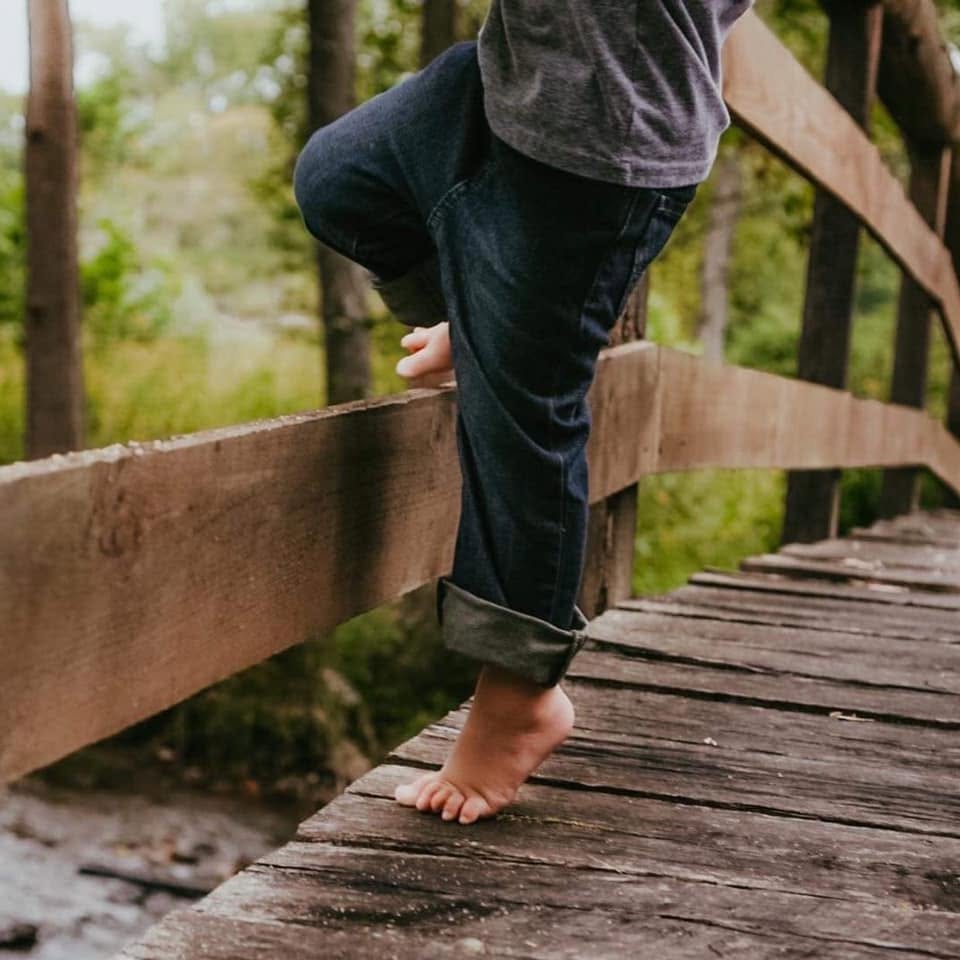
I was Appalachian rich, the kind of rich that was never measured by what was in our pockets. I had a creek to swim in and mountains that always pointed me home. I had fireflies dancing over hayfields at dusk, grass stains on the knees of my blue jeans, muddy feet, scraped knees, and adventures I probably never told my parents about. I had neighbors who showed up when someone was sick, when a garden needed tending, or whenever an extra pair of hands was needed.
Rich was a slice of tomato picked straight from the garden, tucked between two warm pieces of homemade sourdough bread from my grandmother’s kitchen. To this day, I’ve never found a tomato that tasted quite the same. Maybe it’s because nothing tastes as good as something grown with your own hands and shared with someone you love.
Rich was blackberry stains on my fingers from picking berries along the hillside. I’d leave with a bucket and come back with half of what I picked because I’d eaten the rest. The reward for bringing some home was usually blackberry cobbler, still warm from the oven, with vanilla ice cream melting over the top. I had a table full of people I loved, and I had a full belly.
Rich was a front porch where the screen door never stopped banging and somebody always had something to say. The front porch was one of the most important places in my little world. On summer evenings, we’d sit with bowls between our knees, snapping green beans while an FM radio played gospel music in the background. The screen door creaked open and shut, the mountains slowly faded into shadows, and the evening settled in around us. My grandmother’s hands never stopped moving.
Sometimes she’d sing. Sometimes she’d tell stories about family members I’d never met but somehow felt like I knew, she’d tell stories about growing up in the mountains, about people who worked hard, raised families, and made do with what they had. Stories that had been told so many times they felt like part of the mountains. Sometimes we’d laugh until tears ran down our faces. Sometimes we’d sit quietly and listen to the radio. But every lesson was worth remembering.
Back then, I thought I was just snapping beans. Now I know I was learning much more than that.
That porch was my classroom. It was where I learned patience and responsibility, where I learned that everybody had a role to play and that families worked best when everyone carried part of the load. It was where I learned that some of life’s most important lessons aren’t taught in schools. They’re passed from one generation to the next while hands stay busy and stories are shared.
Most of all, it was where I learned that work could be love.
Sometimes love looked like getting up before daylight to tend the garden before the heat settled in. Sometimes it looked like canning vegetables late into the evening because the beans couldn’t wait until tomorrow. Sometimes it looked like standing over a stove, cooking for people you cared about. Love wasn’t always spoken. More often, it was lived. It looked like making sure there was enough food for everyone at the table and enough left over to share with a neighbor.
We didn’t have a lot of money, but we had food, and there’s a difference. We wasted little and used what we had. If somebody’s garden produced more beans than they could can, those beans found their way onto someone else’s porch. If there was extra sweet corn, tomatoes, or potatoes, they were shared. Nobody thought much of it because that’s simply how things were done.
Looking back, I realize how much comfort there was in that way of life. Life wasn’t easy, but I was never promised easy. I was taught resilience and gratitude. I was taught how to make do, how to help one another, and how to find joy in simple things. I was happy and I was loved.
My grandma’s garden taught me where food came from, but more importantly, it taught me where I came from. It taught me that hard work has value, that sharing is its own kind of wealth, that family stories deserve to be remembered, and that roots matter.
I don’t remember every conversation my grandmother and I had on that porch, but I remember the beans. I remember the blackberries, the cobbler, her voice, the creek, and the sound of gospel music between the static drifting from the old radio.
Most of all, I remember being happy.
And now I understand that we weren’t just snapping beans or picking berries. We were gathering memories, preserving traditions, and carrying forward a way of life. My grandmother was passing down a love of family, a respect for hard work, and lessons that couldn’t be found in any book. She was teaching me what generations of Appalachians have always known: wealth isn’t measured by what’s in your bank account. It’s measured by the people around your table, the neighbors who show up when you need them, the stories that survive you, the food grown from your own hands, and the roots that run deep. It’s found in the garden.
When I think about that garden now, I don’t just remember the vegetables we grew there. I remember the people, the lessons, the laughter, the work, and the love that surrounded it all.
I remember home.
And maybe that’s what I understand now that I was too young to see then: nothing was ever just what it seemed.
The food was never just food. The porch was never just a porch. That childhood was never just a childhood.
And the garden was never just a garden.



This is such a beautiful piece of writing! Thanks so much for sharing.