
By Sydney Skiles
I have always loved growing things. There’s something so invigorating about watching a tiny seed sprout, grow, and eventually become something fruitful. As I’ve gotten older, I’ve realized that almost every lesson the garden teaches has a parallel to life. The garden has become more than a hobby, it has become one of my greatest teachers and grounded me in more ways than I could’ve imagined.
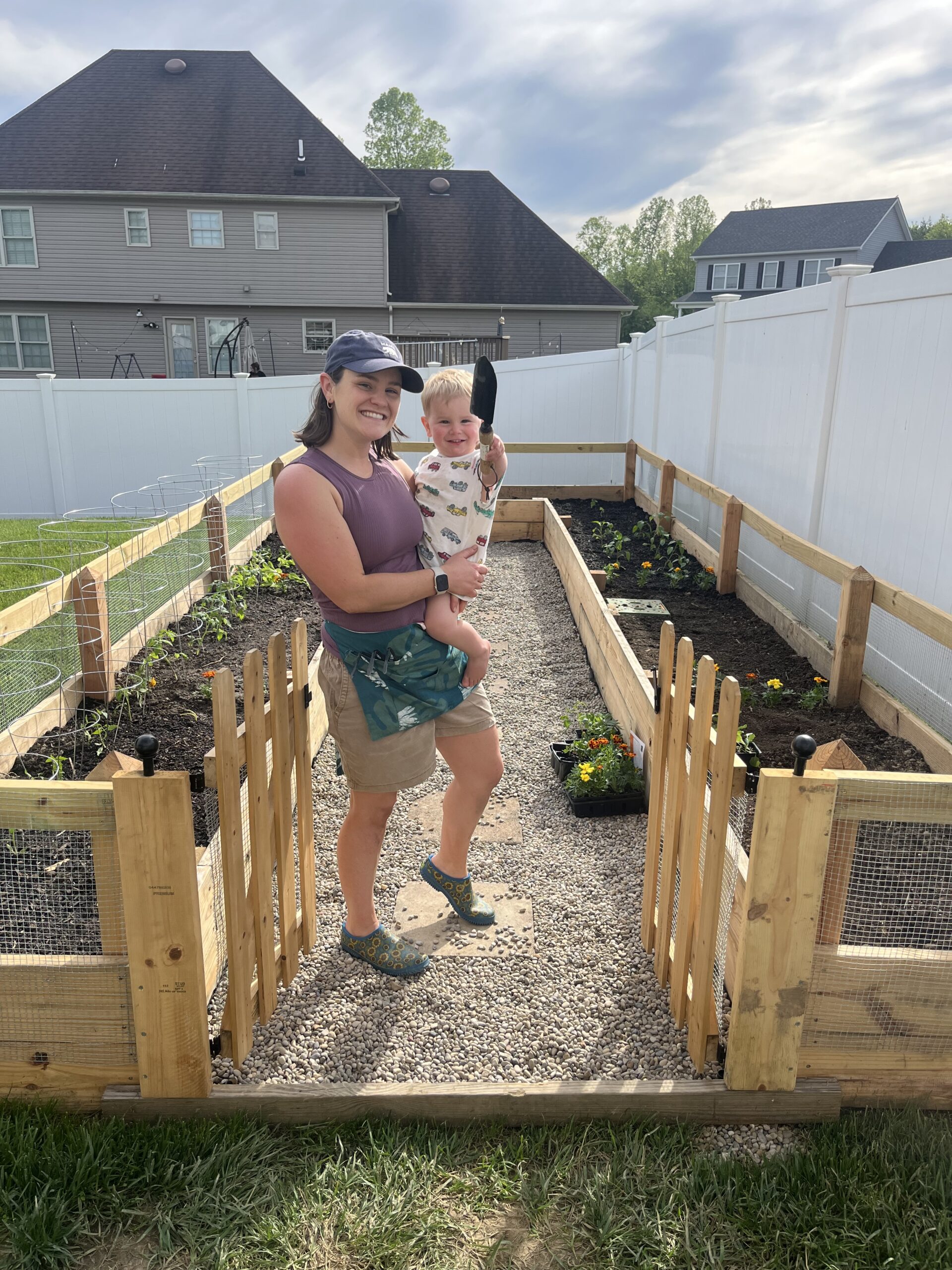
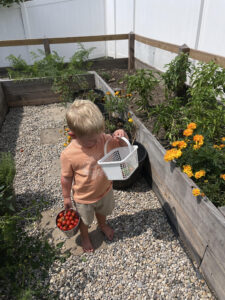
So when I became a mother, I knew I wanted my children to grow up with a garden. I wanted them to grow up with their hands in the dirt and learning all the lessons that come with growing things.
I wanted my children to learn patience in a world that expects everything instantly. I wanted them to understand that nothing worth having comes easily or quickly. You have to tend a garden the same way you tend relationships, character, and new skills. There will be weeds. There will be setbacks. Sometimes you’ll lose plants despite your best efforts. But when you continue showing up, even when it’s hard, fruit eventually comes. The garden will grown, and you will too. There are no shortcuts to growth.
I am not only a mother, but also a preschool teacher. The more children I meet each year, the more convinced I become that these lessons matter. We are raising children in a culture of instant gratification. Many of my students struggle to sit through a story or patiently listen to directions because the world around them moves so quickly. Entertainment is available with a swipe and waiting has become obsolete.
But something that seems to sadden me more and more is how so many children are disconnected from where their food actually comes from. So many genuinely don’t know that food is grown in soil and tended to until harvest. Packaged food on grocery store shelves has replaced real nourishing food and it’s harming children in more ways than one.
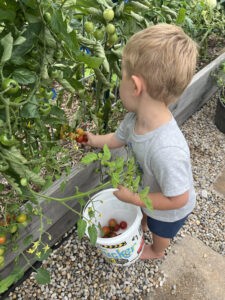
As a mother, I wanted something different for my children. I wanted them to get their hands dirty. I wanted them to know that carrots are pulled up from the ground, tomatoes ripen on a vine, and peppers start as seeds. I wanted them to understand that the food on our table is a gift that begins long before it reaches our kitchen.
More than anything, I wanted them to stay connected to what is real. I wanted them to see the slow rhythms of creation, the beauty of hard work, and see the fruit you can harvest when you commit to helping something grow. I hope one day my children will look back and appreciate all the lessons learned from our garden.



Leave A Comment