
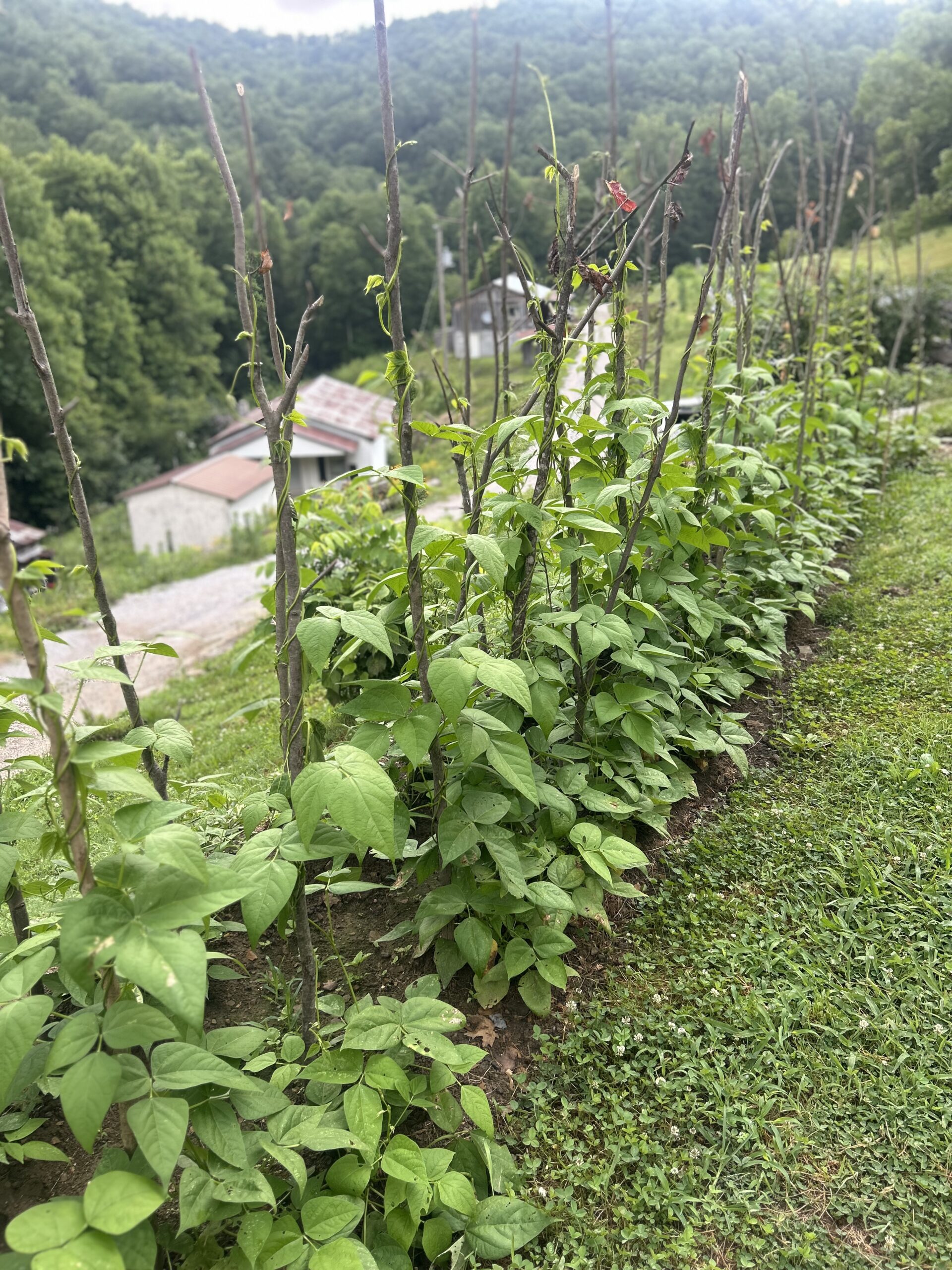
As Pine Mountain Settlement School’s site coordinator for Grow Appalachia’s Garden Grants Program, some of the moments I look forward to the most are our summer garden visits. Beyond seeing what is growing in our participants gardens, I value the opportunity to listen to the stories rooted in each plot. In this blog post, I’m honored to share a few of those stories with you, offering a glimpse into the lives and experiences of the gardeners I visited.
abc
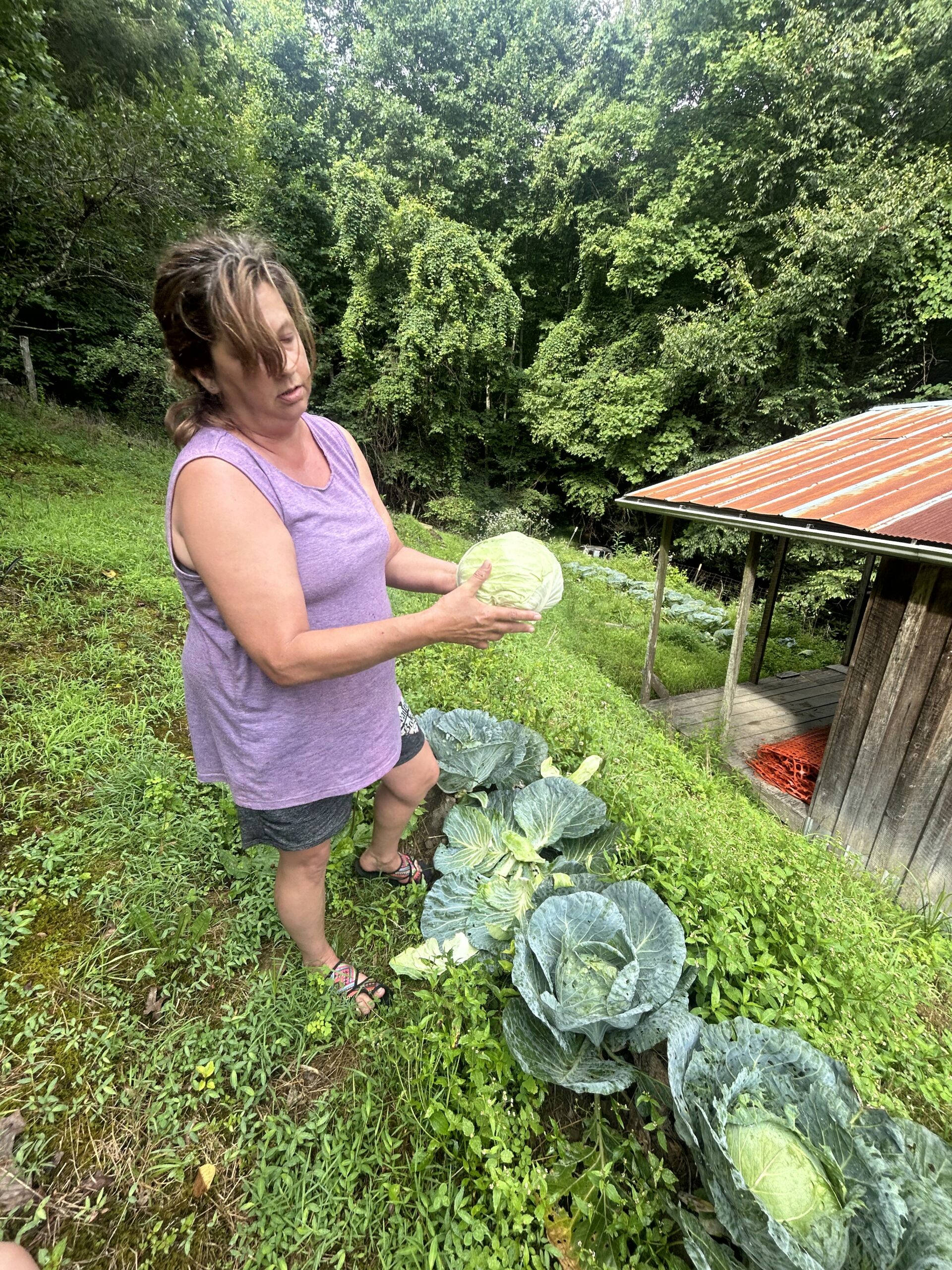
Maurica Cornett is a seasoned Grow Appalachia participant, her expertise and garden skills speak for themselves if you’ve ever tried her salsa (September 2025 Blog Post featuring Maurica’s salsa ). For Maurica, gardening isn’t just about growing plants, it’s also about bringing people together. While walking around her property, she mentioned not only the vegetables she planted but also why she chose to do so. When I saw her cabbage patch, she showed off a fabulous bunch of plants just about ready to harvest, which she plans to bring to our next workshop to demonstrate the fermentation process in her sauerkraut recipe.
abc
Maurica picking cabbage
Della and Charles Shepherd ‘s garden exists in conjunction with their farm, and each aspect is intentionally designed to optimize production while reducing labor. From irrigation setups to their personally crafted fold-up row netting, they continue to develop ways to make their thriving garden into an even more efficient system. Della and Charles have a wealth of knowledge yet remain lifetime learners; this trait is especially evident in their approach to overcoming challenges in their garden.

abc
Della and Charles pointing out their irrigation system
abc
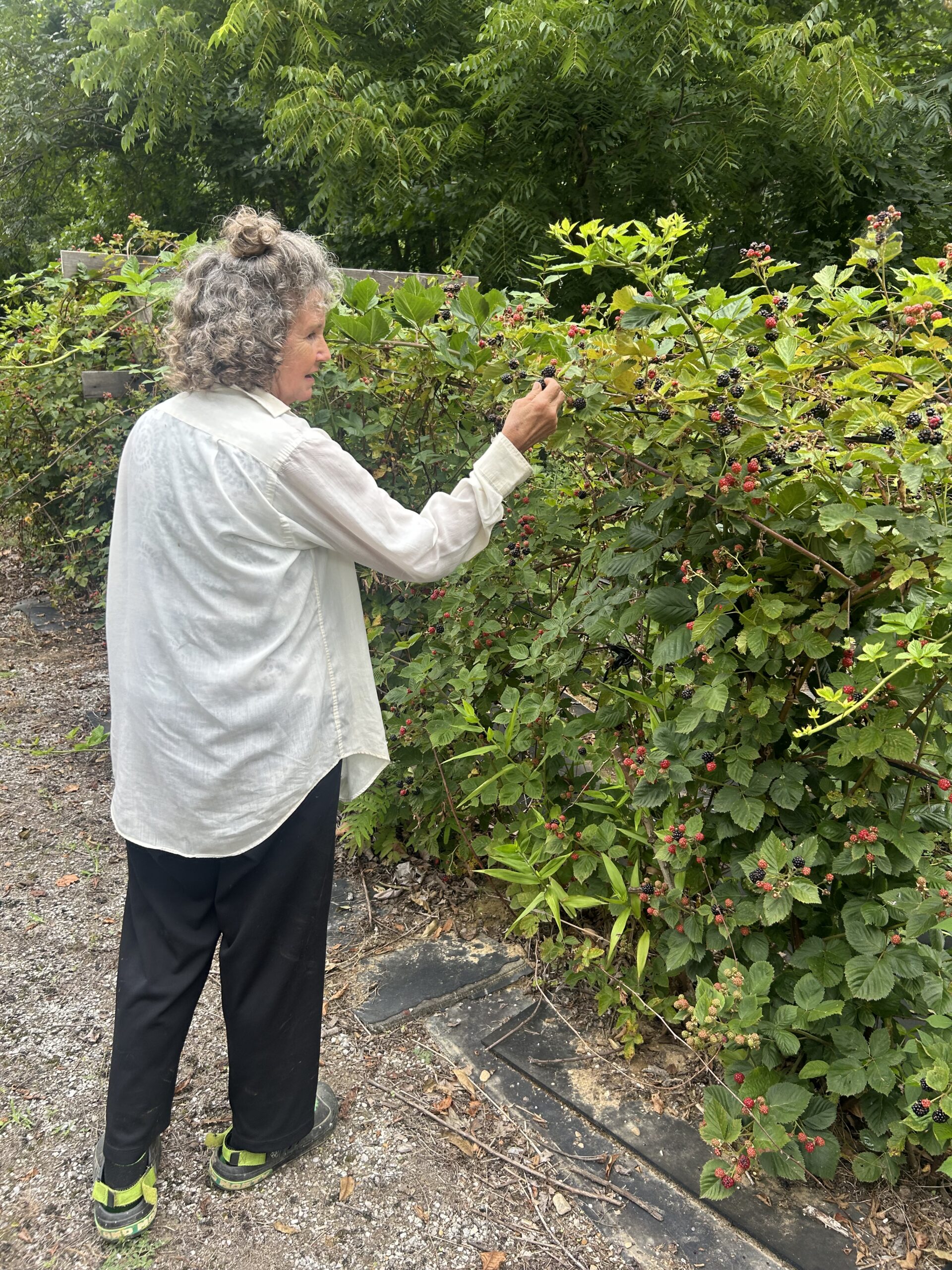
Della picking berries
IMG_3272 (1)
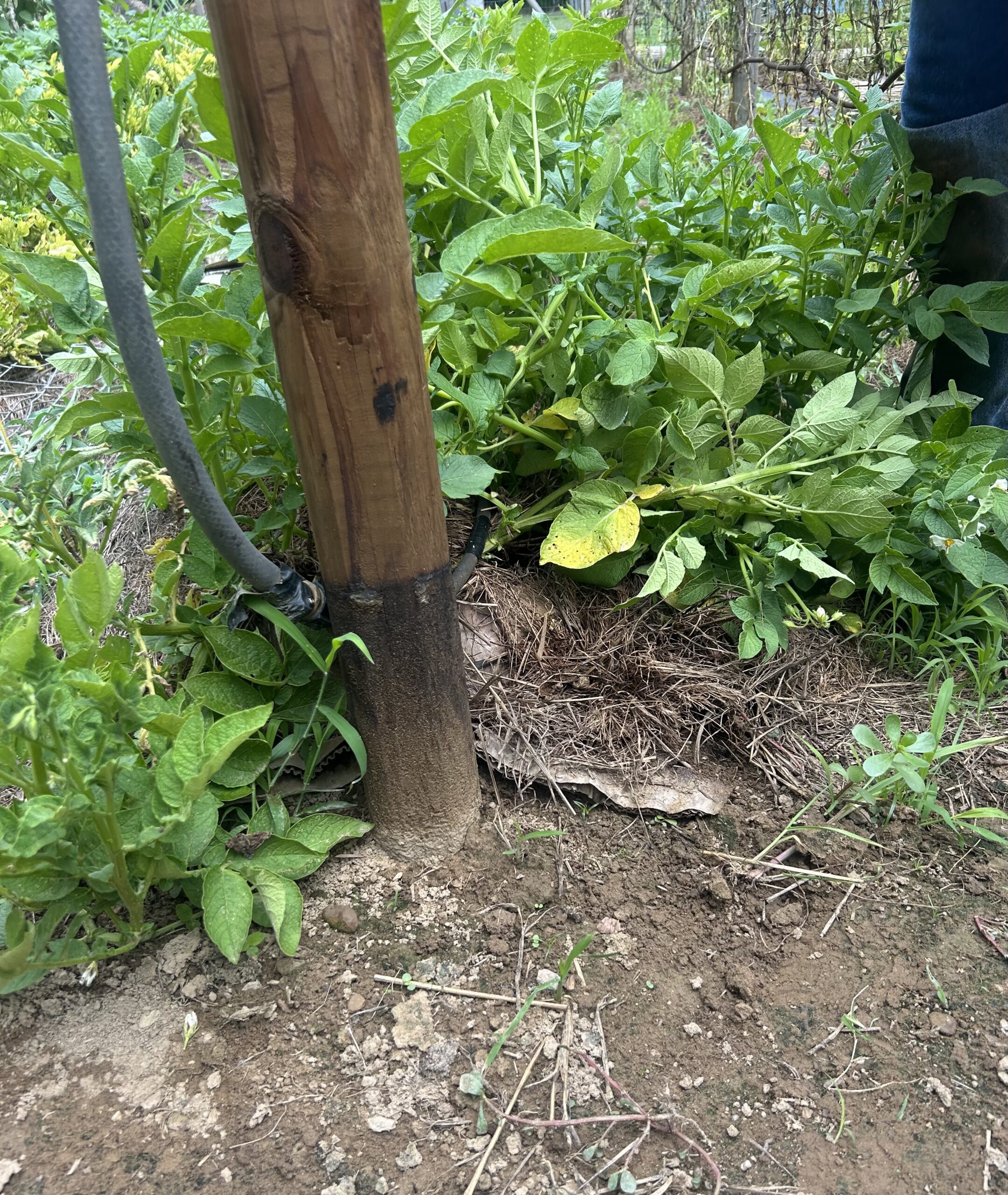
Potato plants growing in compost‑filled cardboard boxes
abc
Nematodes may be small creatures, but when present in soil they create big problems. Nonetheless, Della and Charles have designed a method which works for their gardening practice. It’s simple but, like everything else at their farm, highly efficient. Using recycled cardboard boxes and compost from their pile, they rely on the curated pressure of a nutrient rich environment as a chemical free solution to increase harvest numbers and prevent extensive damage from nematodes. According to Charles, whether or not this design is a perfect solution remains undetermined – “the jury’s still out”. However, their desire to create a solution rather than accept defeat is indeed a testament to their dedication of learning
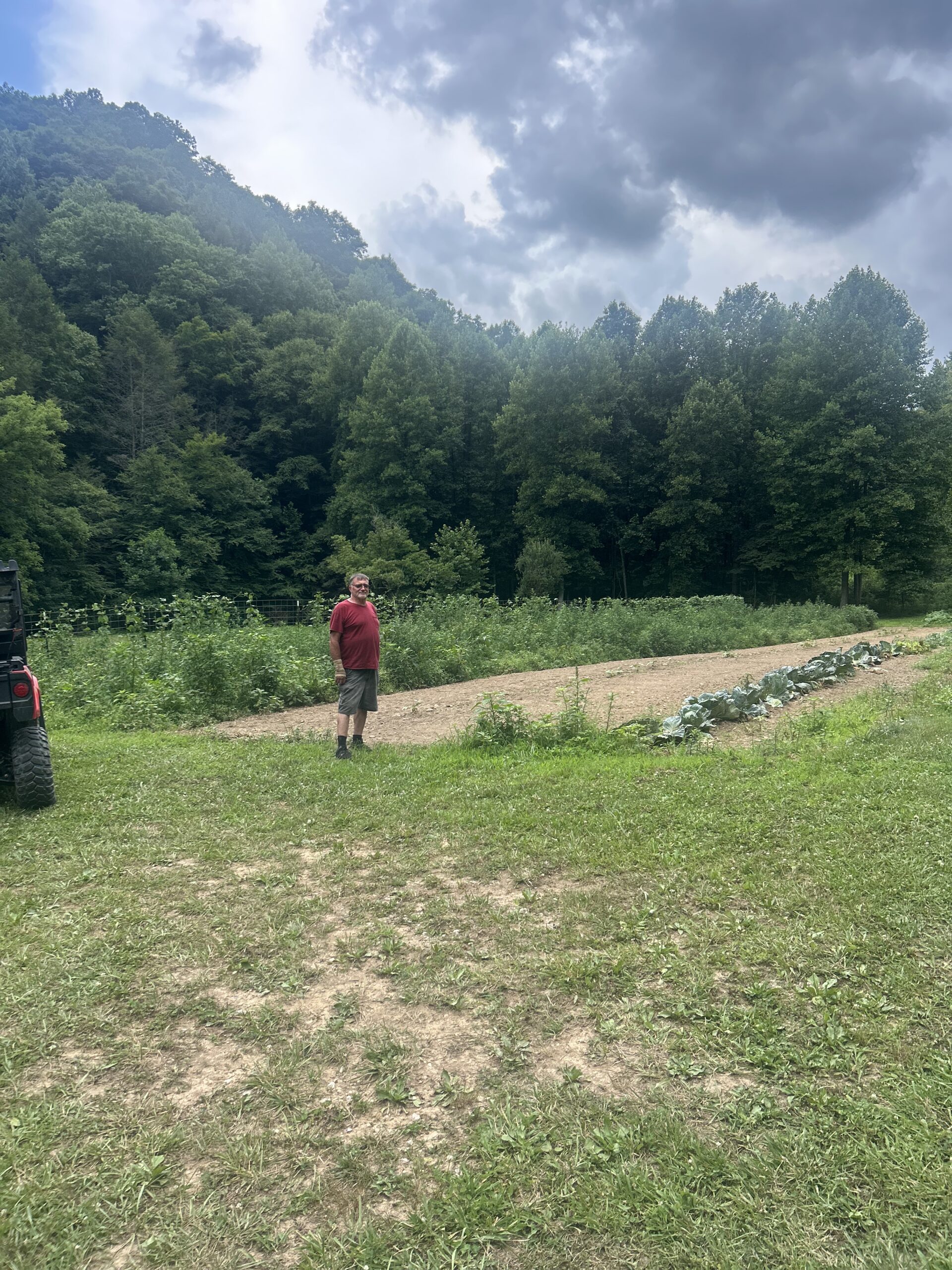
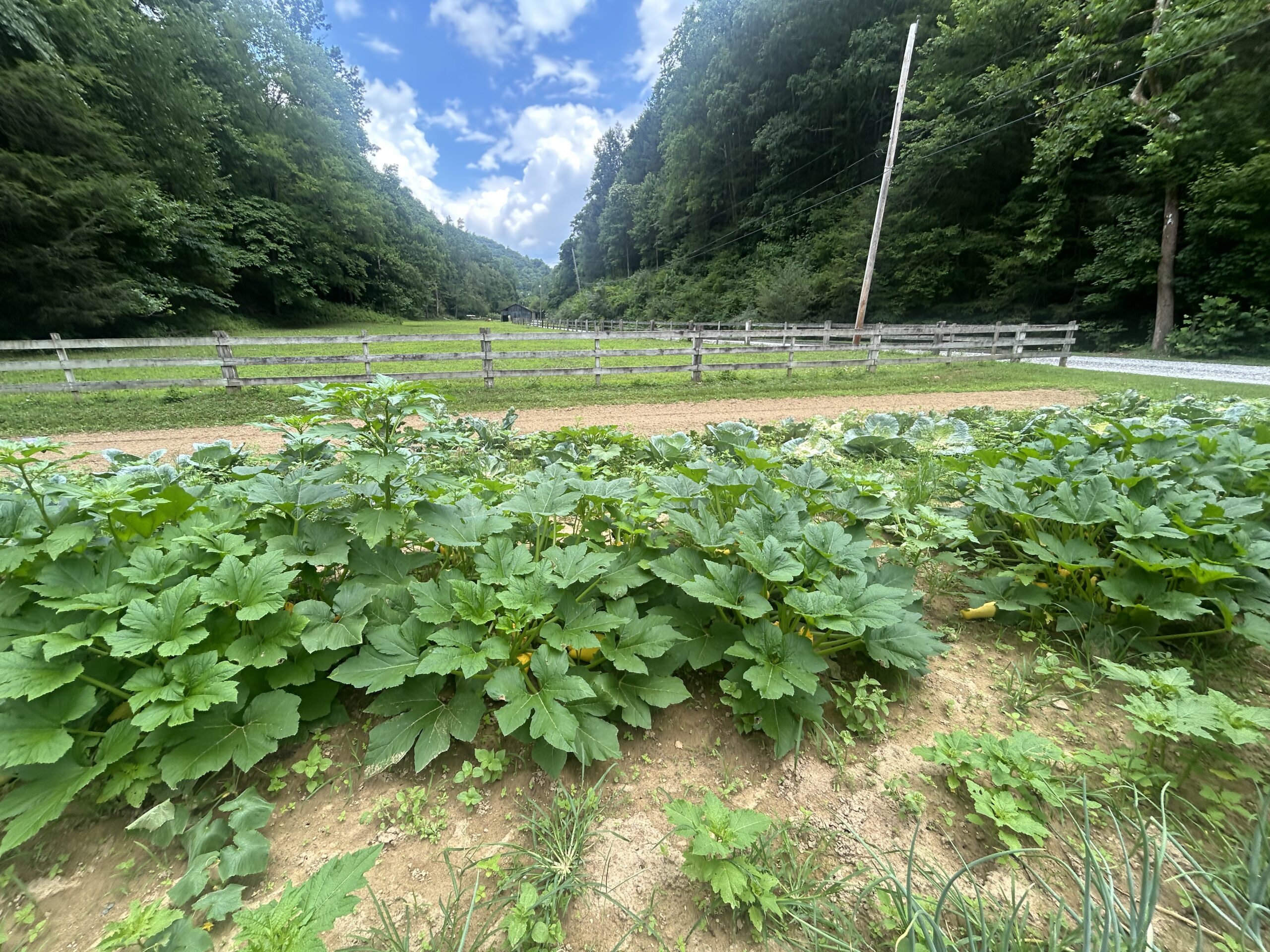
Ricky Jones has a picturesque setting for his garden, with “Butterscotch” the pony, peacefully grazing in the background . However, his plot isn’t just a pretty site, it’s also incredibly productive. He and his wife, Barb Jones, joined us during our garden visit and mentioned the basketfulls of squash they’ve collected over the past week
abc
abc
Ricky in front the garden he remembers from his childhood
abc
Ricky's squash plants with Butterscotch in the distant background
abc
One of Ricky’s plots has been producing food for as long as he could remember, he even recalls running through rows of corn there as a child. The area was once farmed by his father, and now Ricky continues to work the soil with rows of pumpkin, squash, corn, and more.
Although there are many more stories to share and gardens to visit through these experiences, the reflection of Grow Appalachia’s impact is seen, a community learning and growing together to cultivate a land that sustains them.



Leave A Comment