
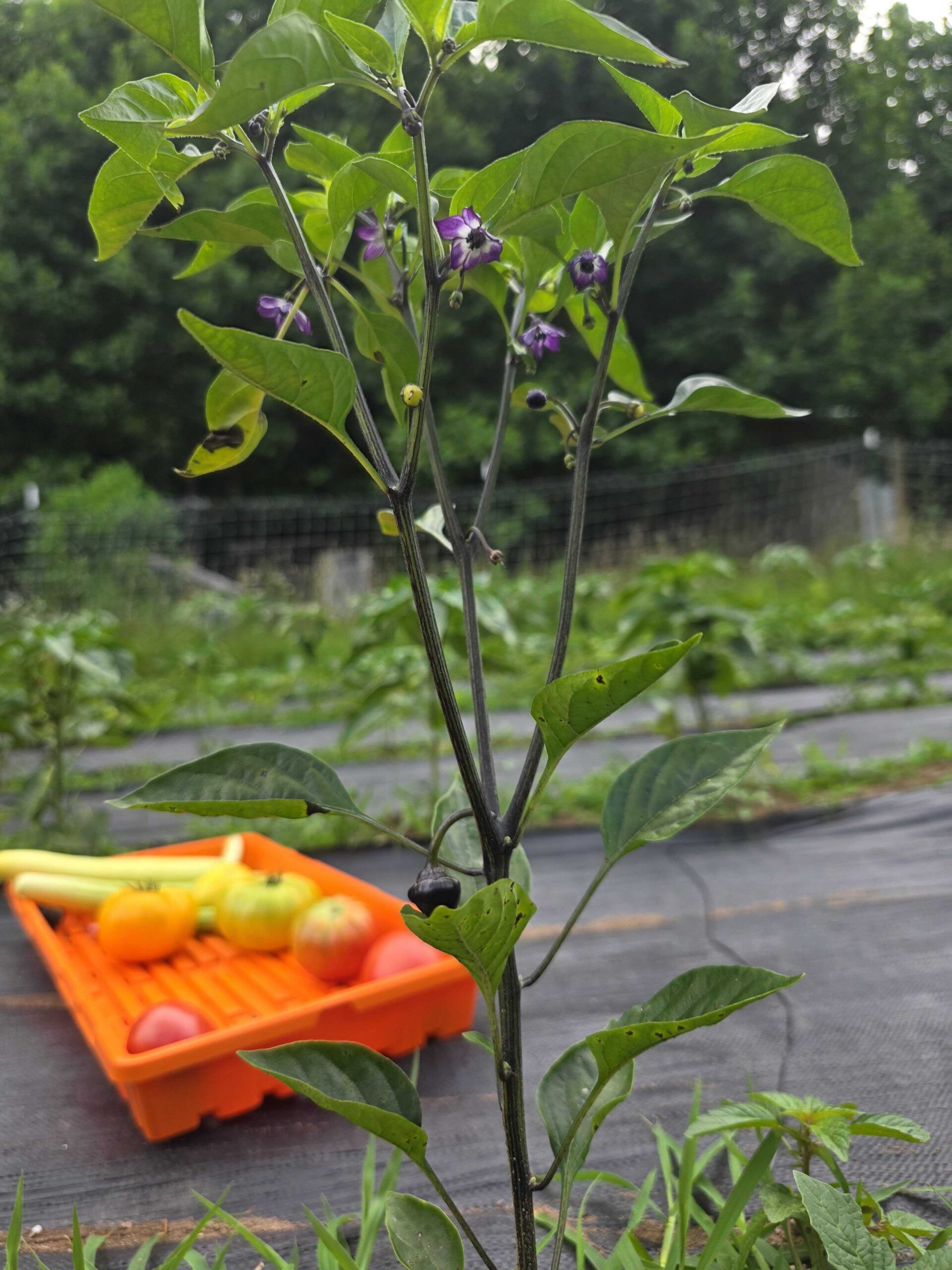
Summer is one of the most rewarding and challenging times in the garden. Hot, humid weather creates ideal conditions for fungal diseases and insect pests, so our recent Grow Appalachia workshop focused on keeping gardens healthy through the peak of the growing season.
Rather than reaching for sprays as a first solution, we focused on prevention. Participants learned how improving airflow through proper spacing and pruning, watering at the base of plants instead of overhead, and encouraging beneficial insects can reduce disease and pest pressure. We also discussed trap crops, like calendula, which help draw pests away from vegetables while adding beauty to the garden.
One of the best parts of every workshop is hearing from our participants. This month, one gardener shared that this is the first year they have been able to keep their tomato plants healthy all season. In previous years, blight had always taken over before they could enjoy much of the harvest. After following our recommendations to improve airflow and using copper fungicide preventatively, they are enjoying a healthy, productive crop. Another participant shared that they are returning to gardening after nearly a ten-year break. It has been exciting to watch their confidence grow as they build new skills and reconnect with gardening.
We also talked about common garden pests like tomato hornworms, cucumber beetles, and squash bugs. Many of these can be managed by hand before they become a larger problem. When additional intervention is needed, we discussed several organic products, including copper fungicide for preventing common fungal diseases, Spinosad for leaf-feeding insects, diatomaceous earth, and pyrethrin. We also emphasized protecting pollinators by applying these products in the evening, after bees have finished foraging.
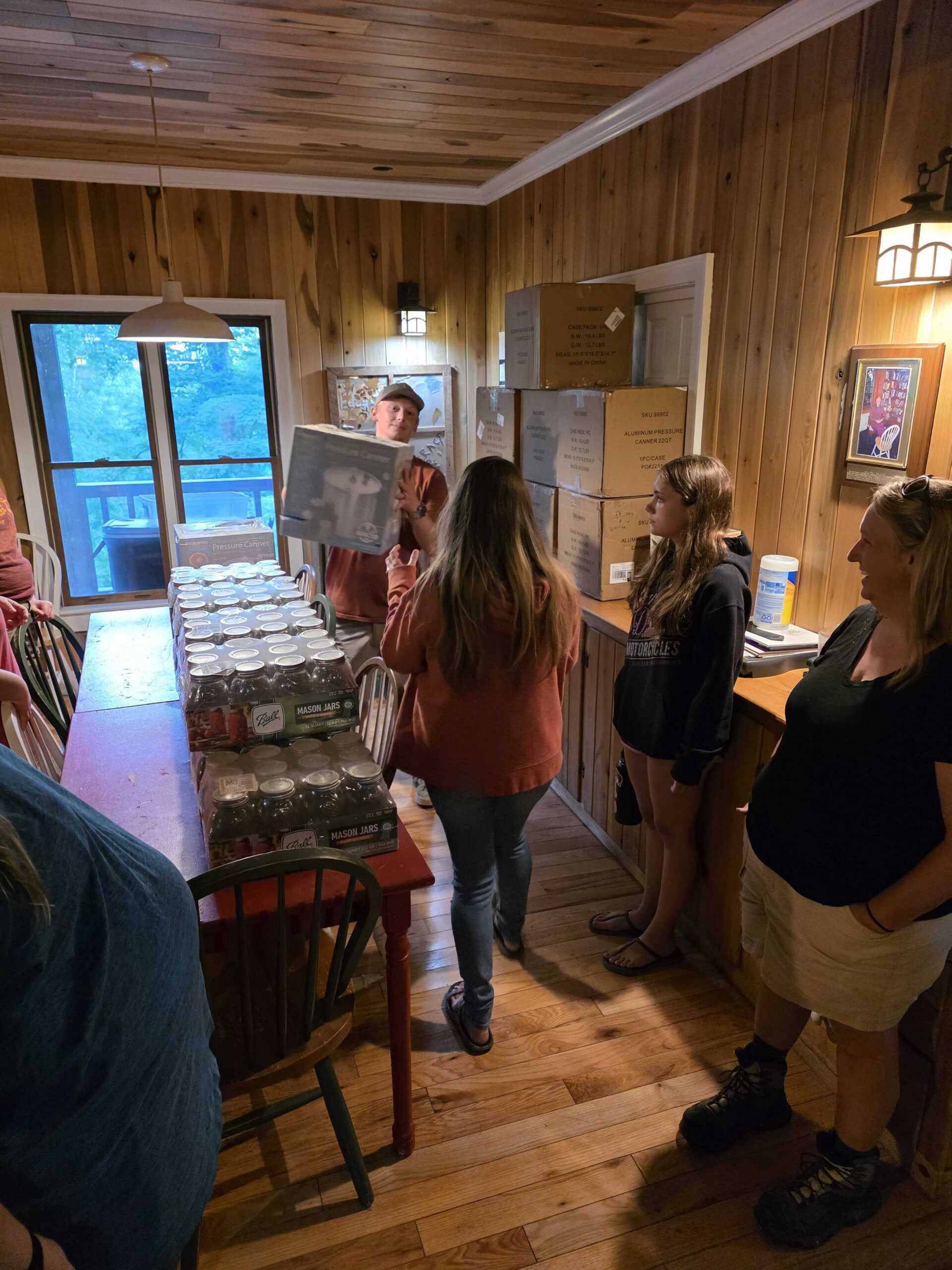
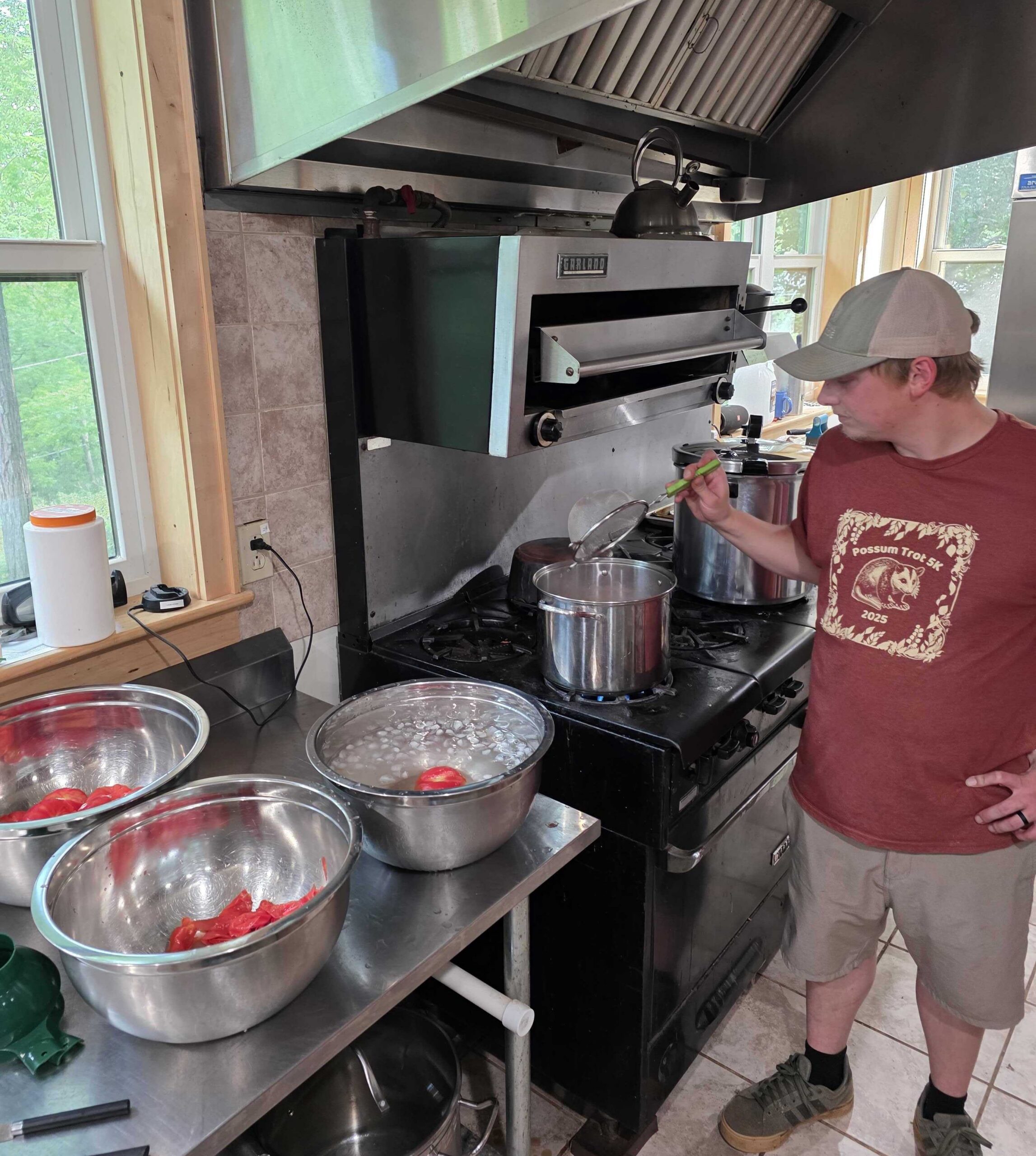
The learning continued at our next workshop, where we shifted from growing food to preserving it. With tomato season just beginning, participants learned how to safely can whole tomatoes, one of the most versatile staples to keep on the pantry shelf. Throughout the winter, those jars can be transformed into soups, pasta sauces, casseroles, and chili.
As we canned tomatoes together, we talked about one of last year’s Berea Appalachian Fund Folk Arts and Culture workshops, where we made homemade chili using tomatoes that had been canned the previous summer. It was a great reminder that preserving food is not just about preventing waste. It is about extending the harvest, saving money, and carrying the flavors of summer into meals all winter long.
Each workshop builds on the last, helping participants gain the knowledge and confidence to grow, preserve, and enjoy local food year-round. Whether it is a gardener celebrating their healthiest tomato crop yet or someone returning to the garden after ten years away, every success is worth celebrating.



Leave A Comment