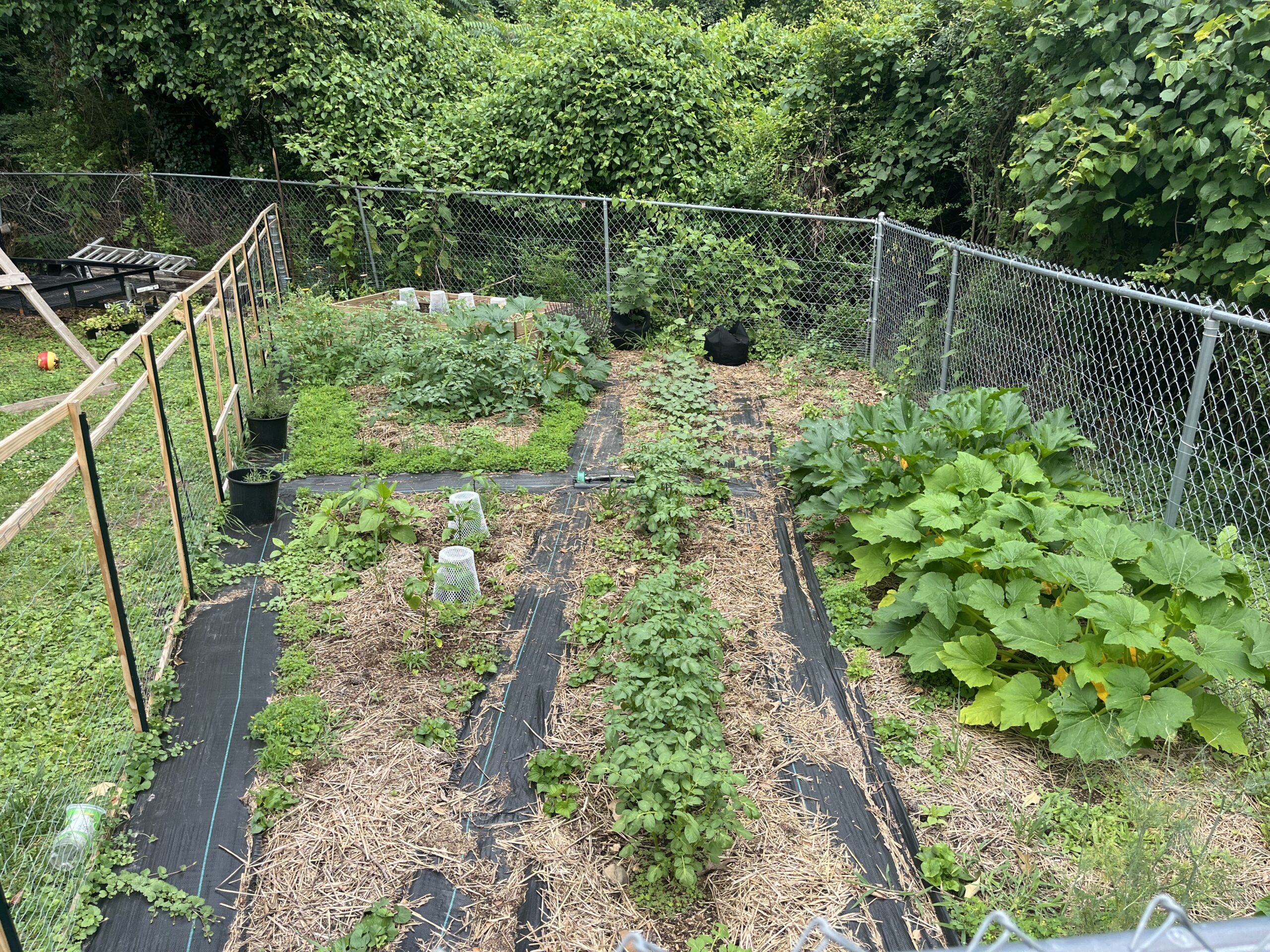
As we visit gardens in June & July, the time becomes a reflection on what things worked, what things might be done differently, and celebration of the good that has come! Our gardeners are able to see their garden maps come to life. I have gotten to see so much delight in what people have harvested so far and the trust that they’ve put in the seeds they’ve planted to feed themselves, their friends, and their neighbors.
A collection of lessons that I and our gardeners have learned from one another:
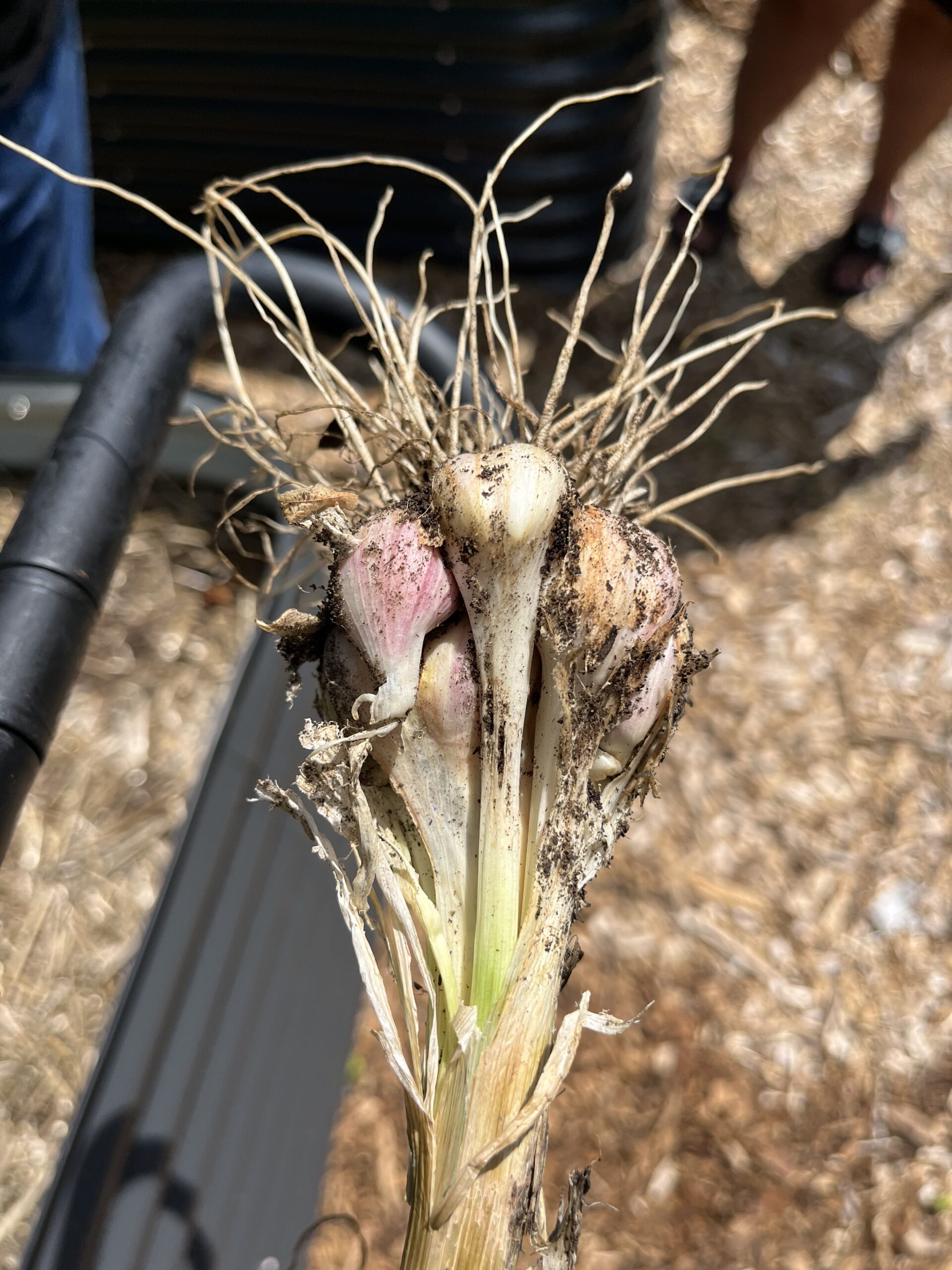
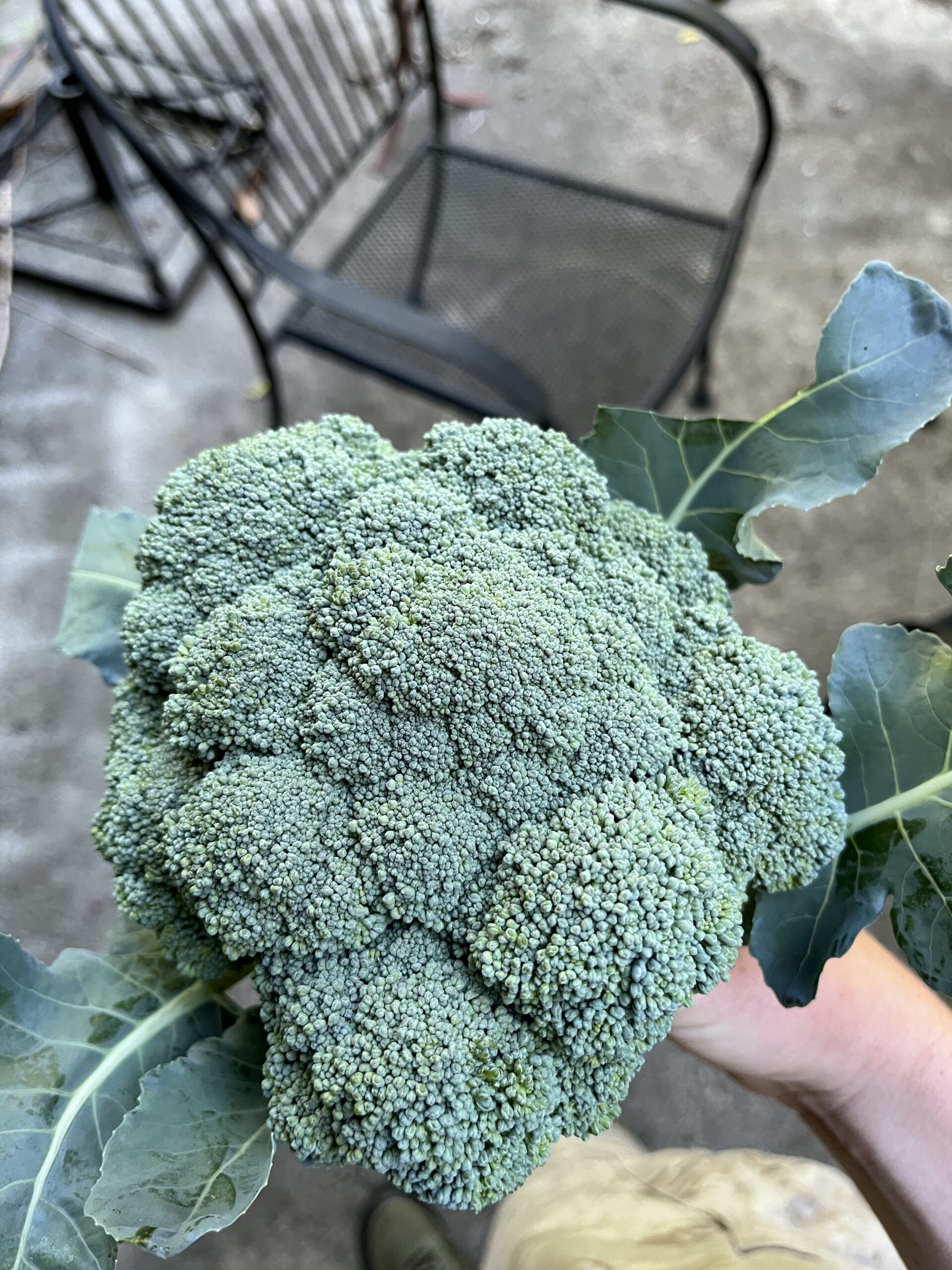
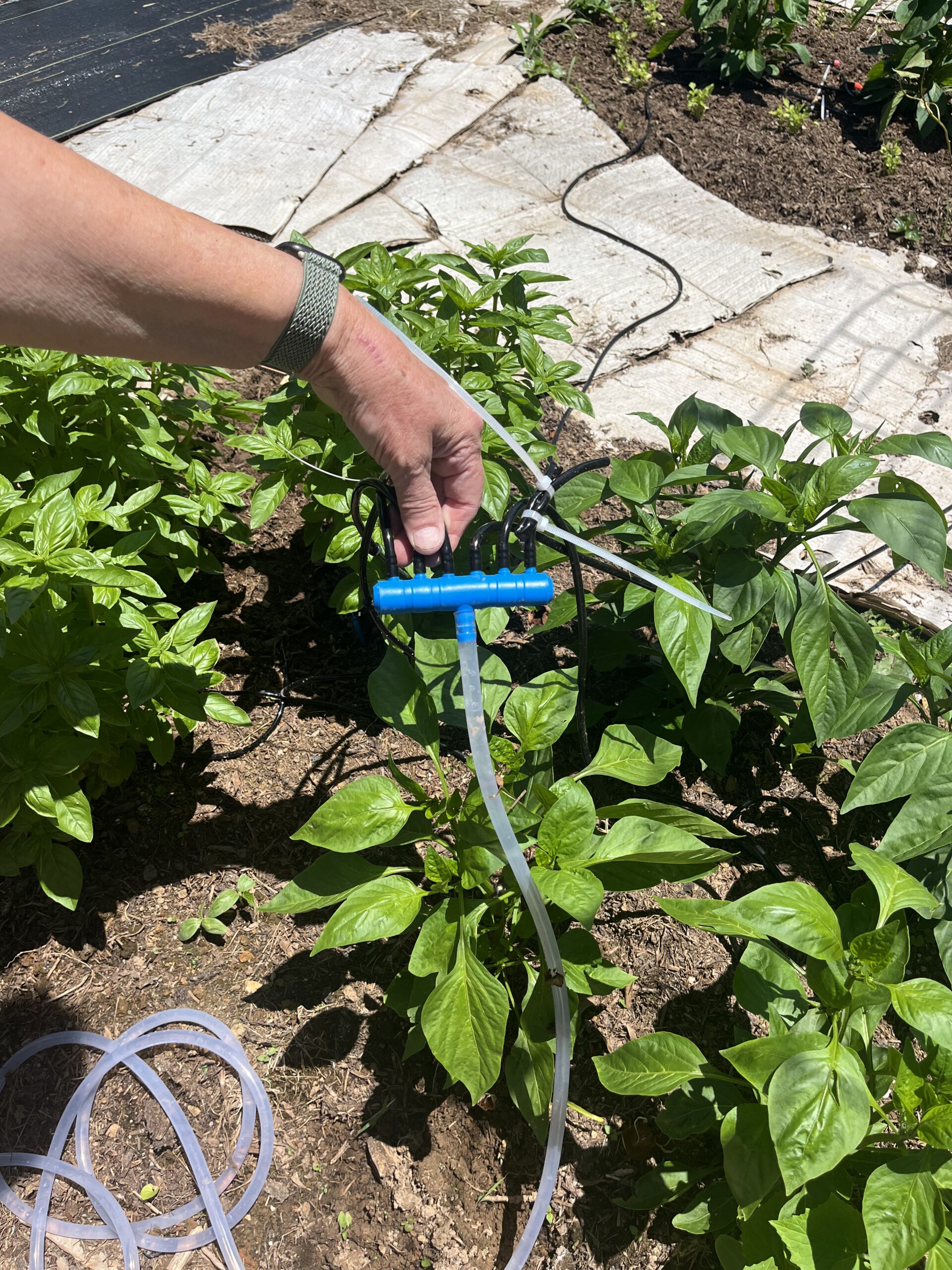
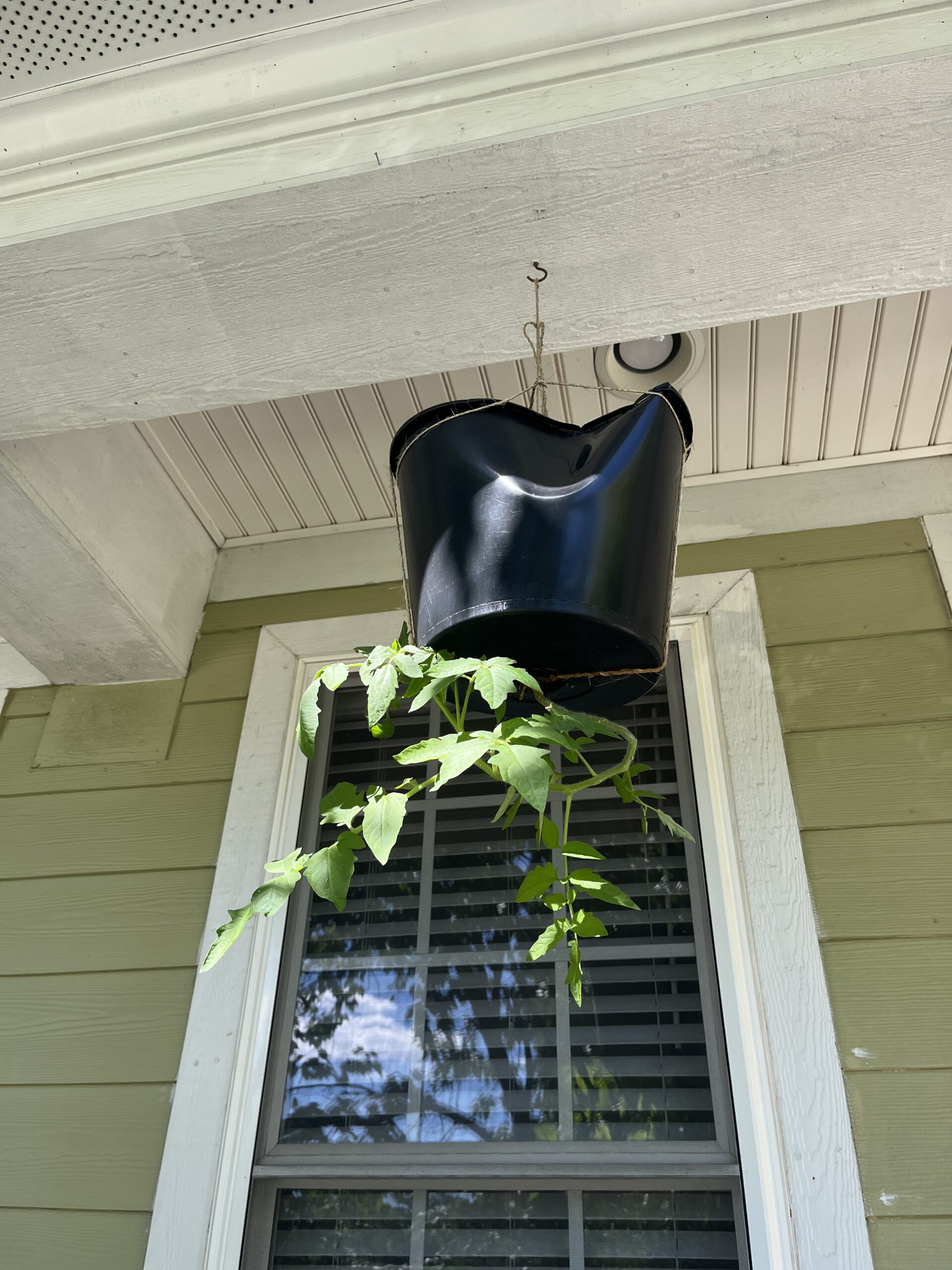
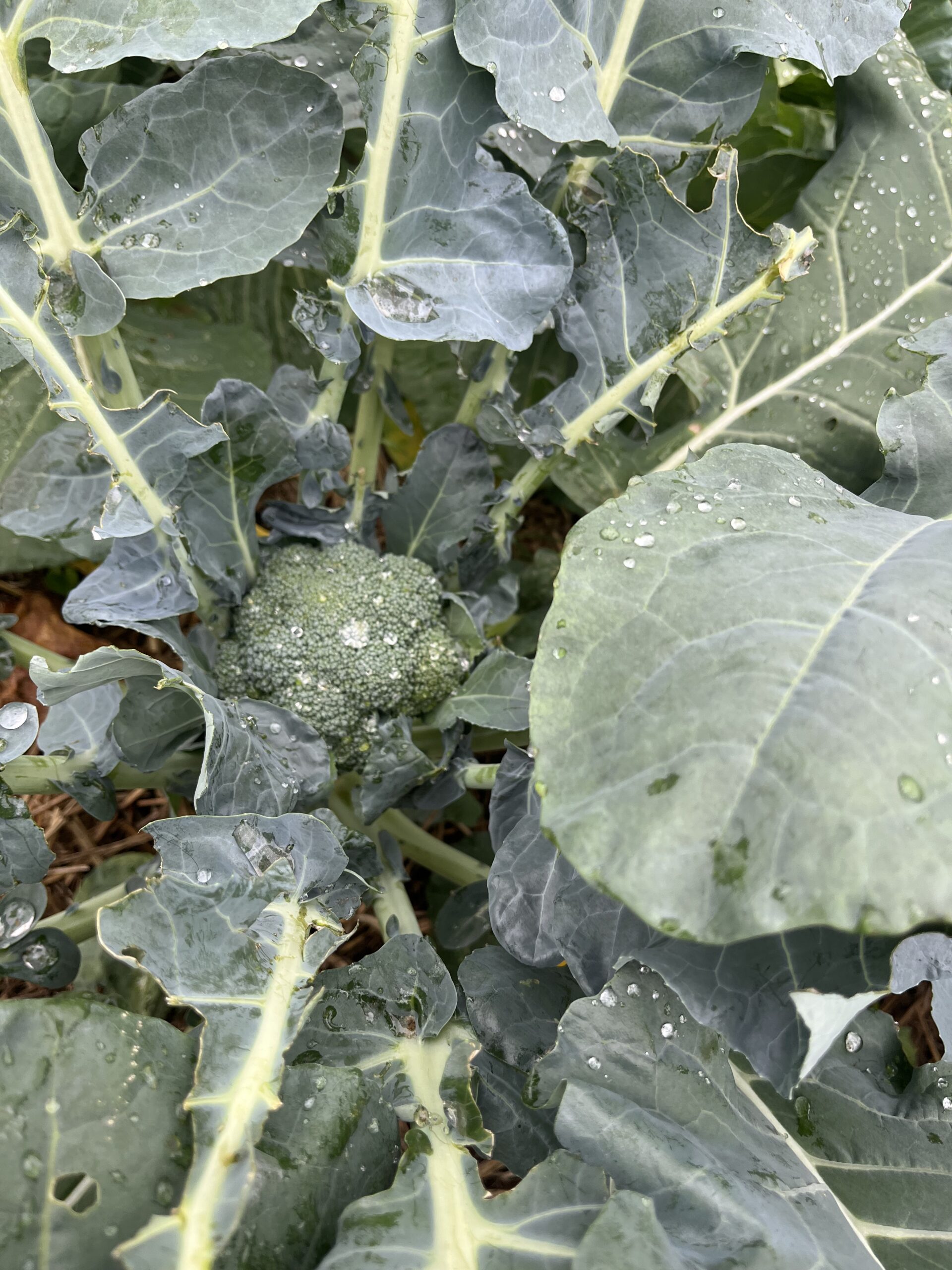
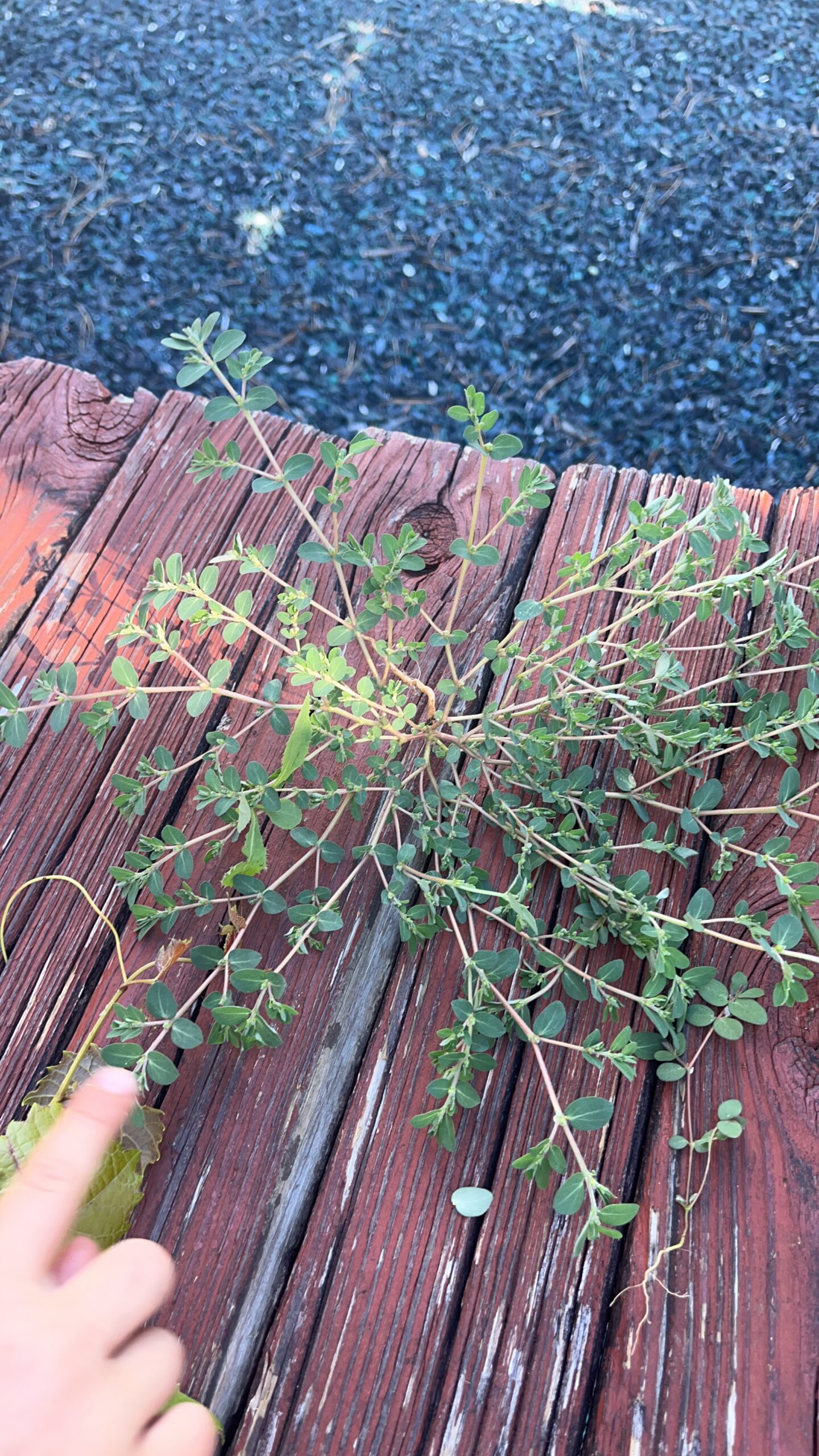
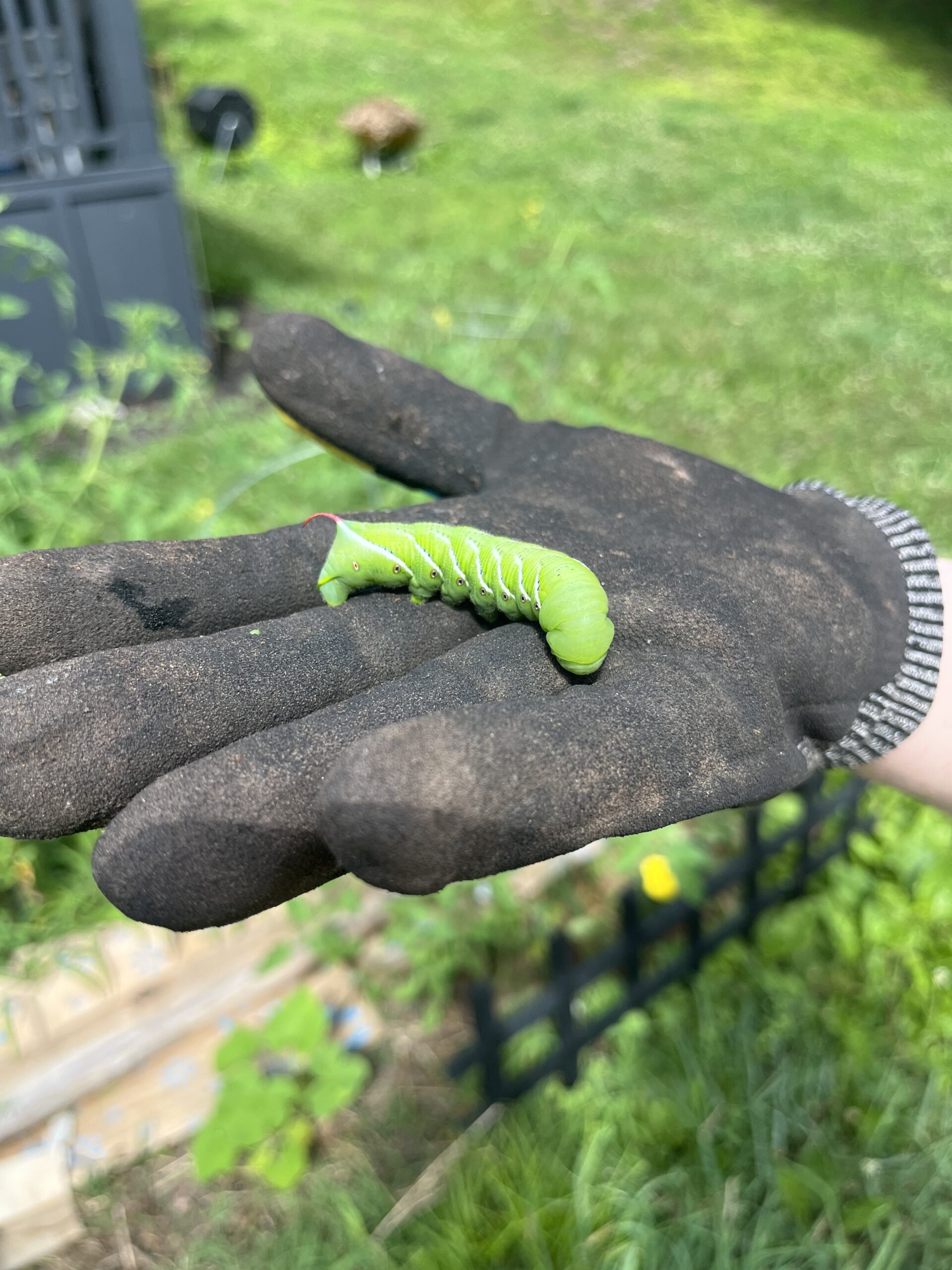
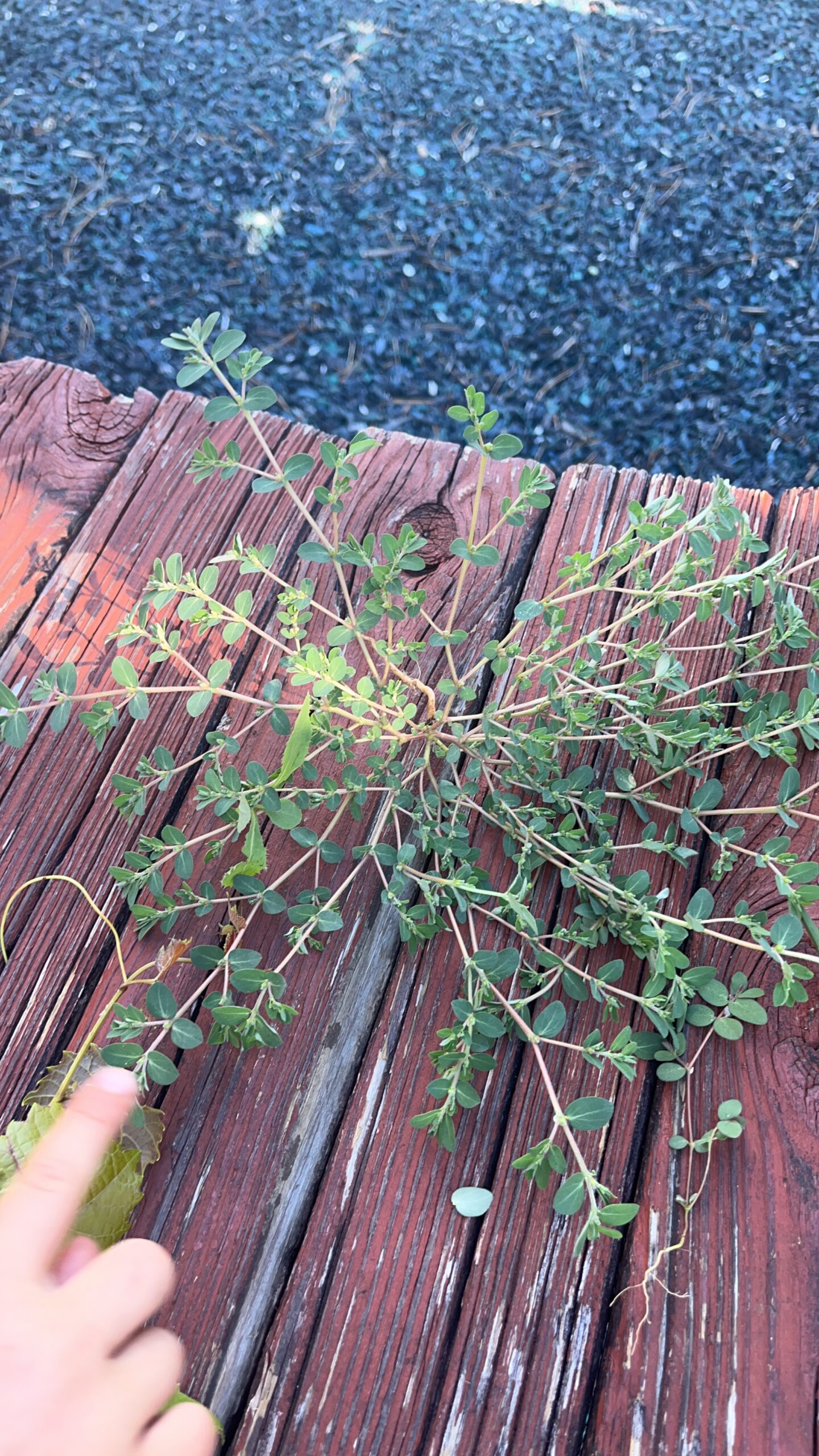
that one gardener has so much kale they can barely give it away, that a gardener has a newfound love of arugula, that wasps that have hunted the worms for one gardener, that a mouse family made a nest in a patch of potatoes, that the same ground hog ate on the gardens of next door neighbors, that one might have more garden space than first thought, that rabbits love eating legumes and sometimes the plant will still recover, that the first year has a lot of troubleshooting with fencing, that tomato vines and morning glories are poisonous to goats, that one can eat the leaves of broccoli like collards, that it’s okay to thin plants and prune tomato vines, that aquarium suppliers sometimes have things that can be useful for irrigation, that a garlic plant can mysteriously grow 6 scapes, that a tomato planted upside down will struggle upwards towards the sunlight, that a tobacco hornworm can make a chittering noise, that dollar tree waste baskets make a good pest barrier for young seedlings, that cutting the stalk of broccoli at a 45 degree angle might encourage it to produce side shoots, that spotted spurge will produce a milky sap when picked, that only 1% of all insects are considered pests, that the best time to take a break from the garden is when it rains and when it is raining, that beet and radish greens are edible, the wood sorrel is yummy plant that can be foraged or weeded by eating, that rainwater helps the garden a lot, that canning might be less intimidating than first thought, that our region has the perfect conditions for early blight in tomatoes, that in the first year it is all about experimenting, that one does not need to worry if they do not have broccoli at the same time as their friend because each garden has a different microclimate, that small space gardening can be fruitful, that a garden beside a black walnut tree is possible, that the recipe and label is law when it comes to canning and pes control products, that varitety selection is essential for having onions year round, that the best time to plant potatoes in Tennessee is in February, that tree sap from a root can make a weird slime in the garden, that a harlequin beetle loves brassicas, that important cabbage moth worms have been really bad this year, that using a t-post driver is much easier than a step ladder and mallet that the name for a plant disease is sometime self explanatory, that fresh food is medicine, that it is okay to ask for help, that using organic pest control sprays is beneficial, the beauties that companion planting brings, that gardening is a way to reconnect with those that are no longer with us and make new memories with those that still are, that gardening is way to be creative, that things destined for the trash might have a great use in the garden,
and that it is okay to try new things and experiment.
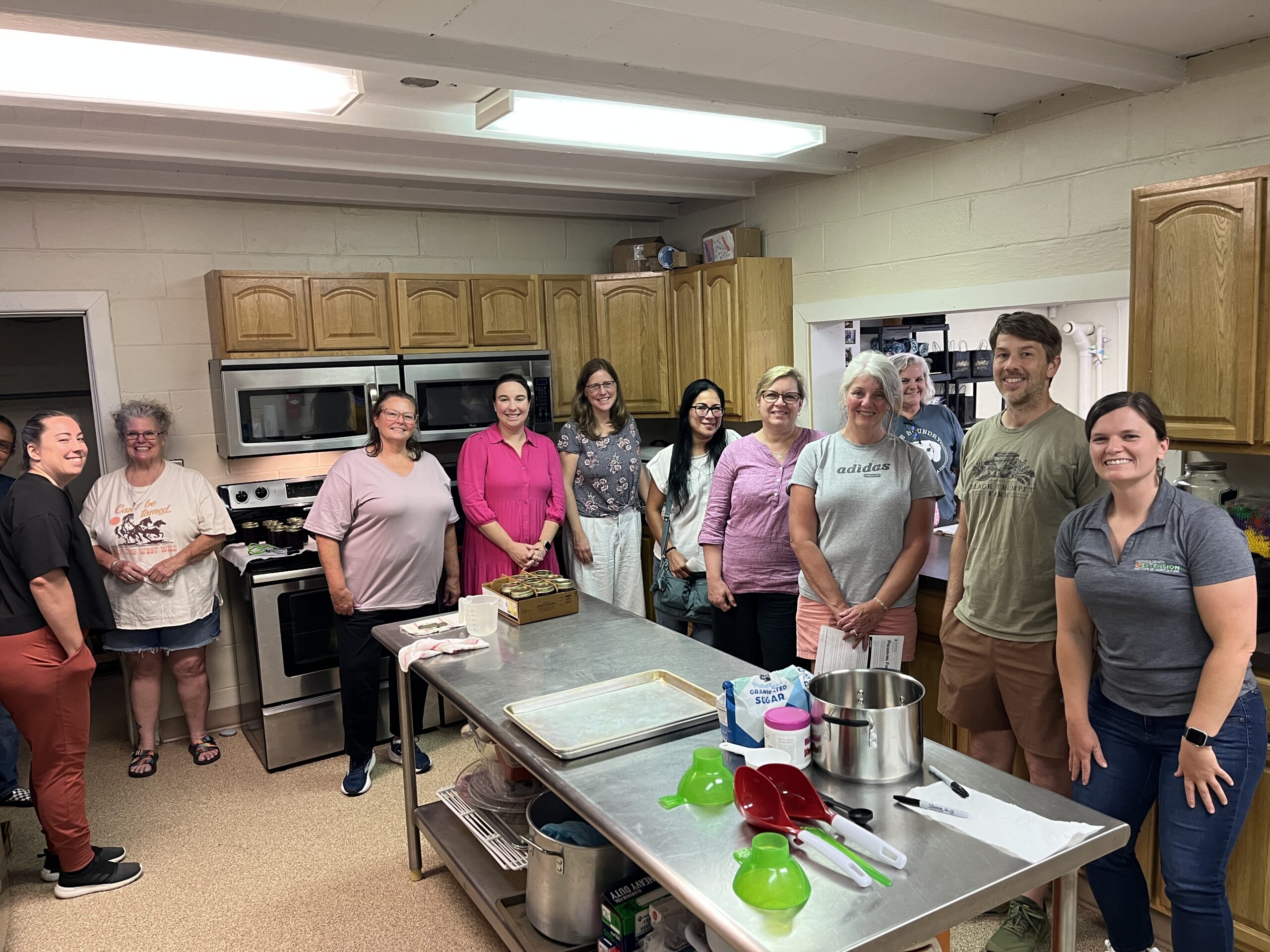
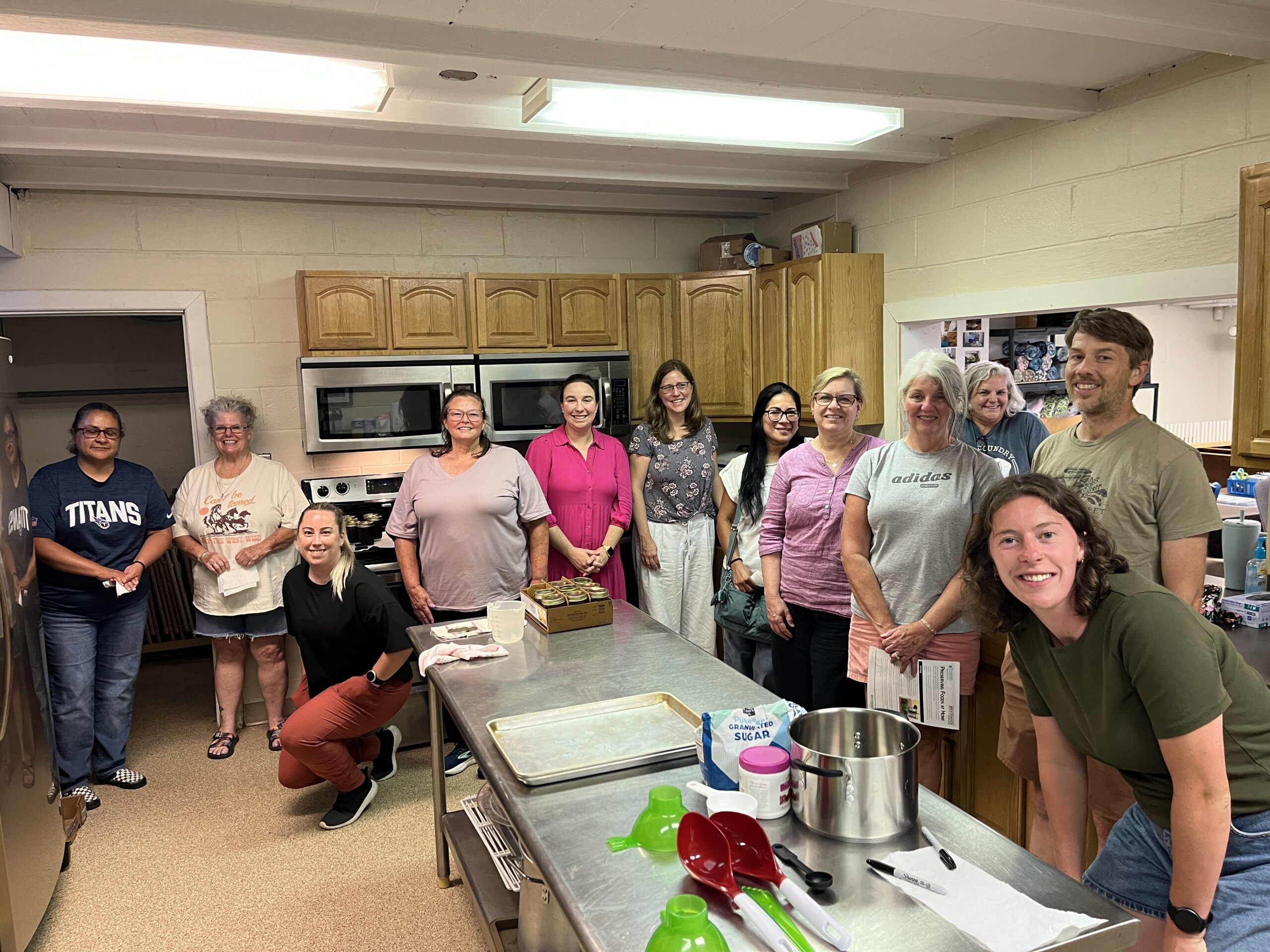
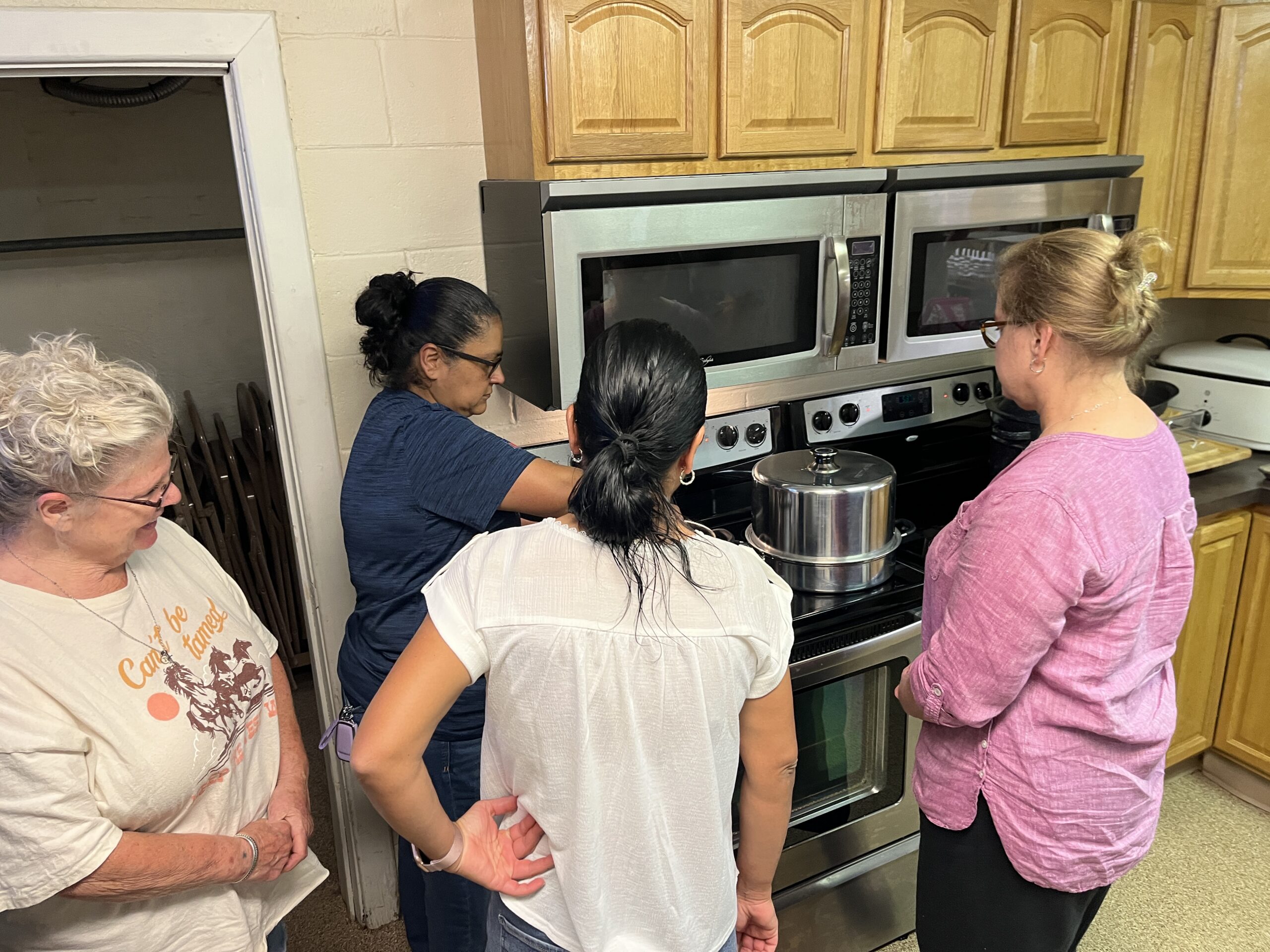
Over the last two months, we have hosted our In-Depth Garden Maintenance workshop, Harvest & Heart Healthy Cooking, and Hands-On-Canning workshops. As we look towards July & August, garden visits will be wrapping up and we have our Fall Gardening & Season Extension workshop on July 15 and our Seed Saving Workshop and Fall Plant distribution on July 28th.
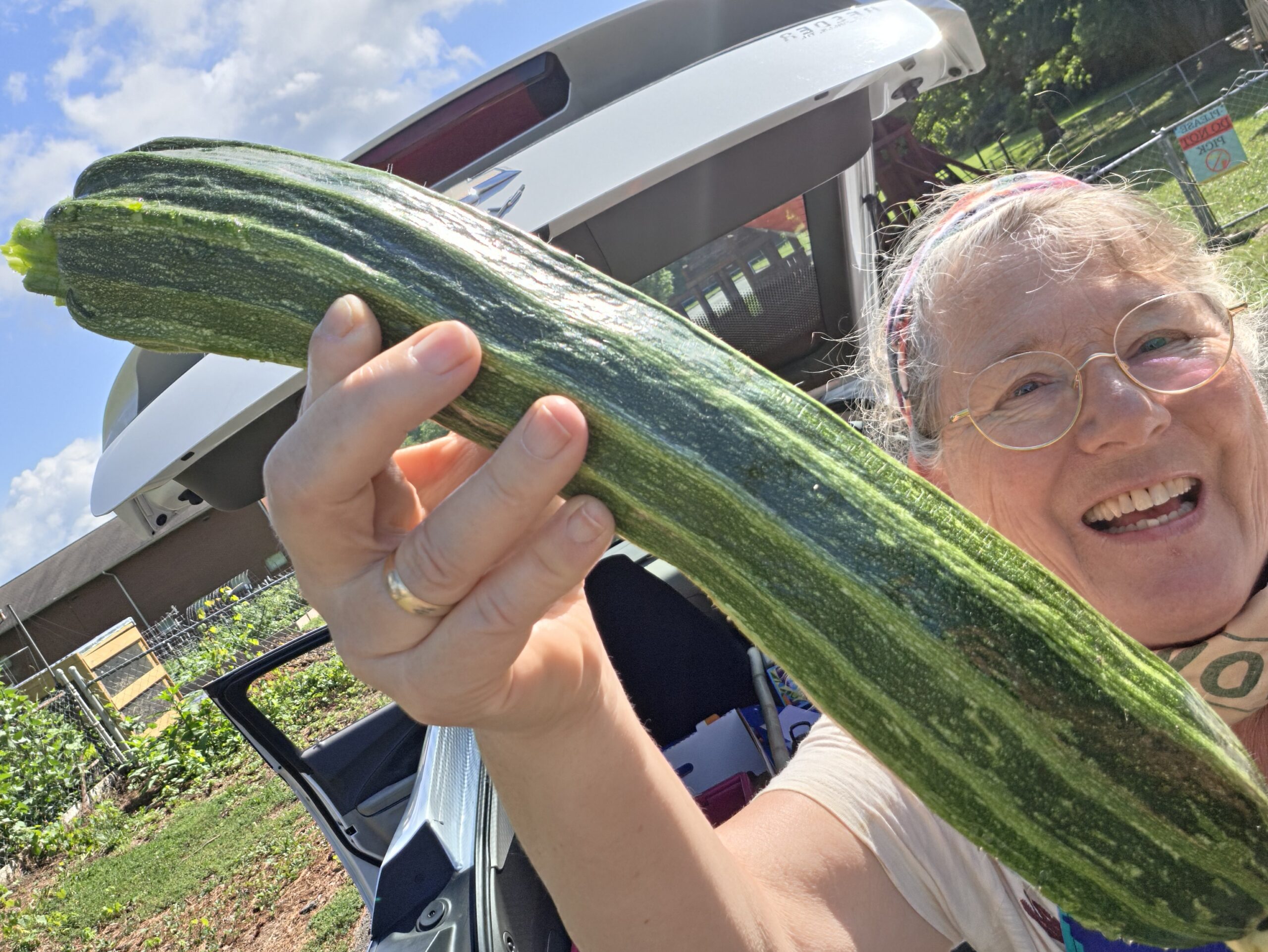
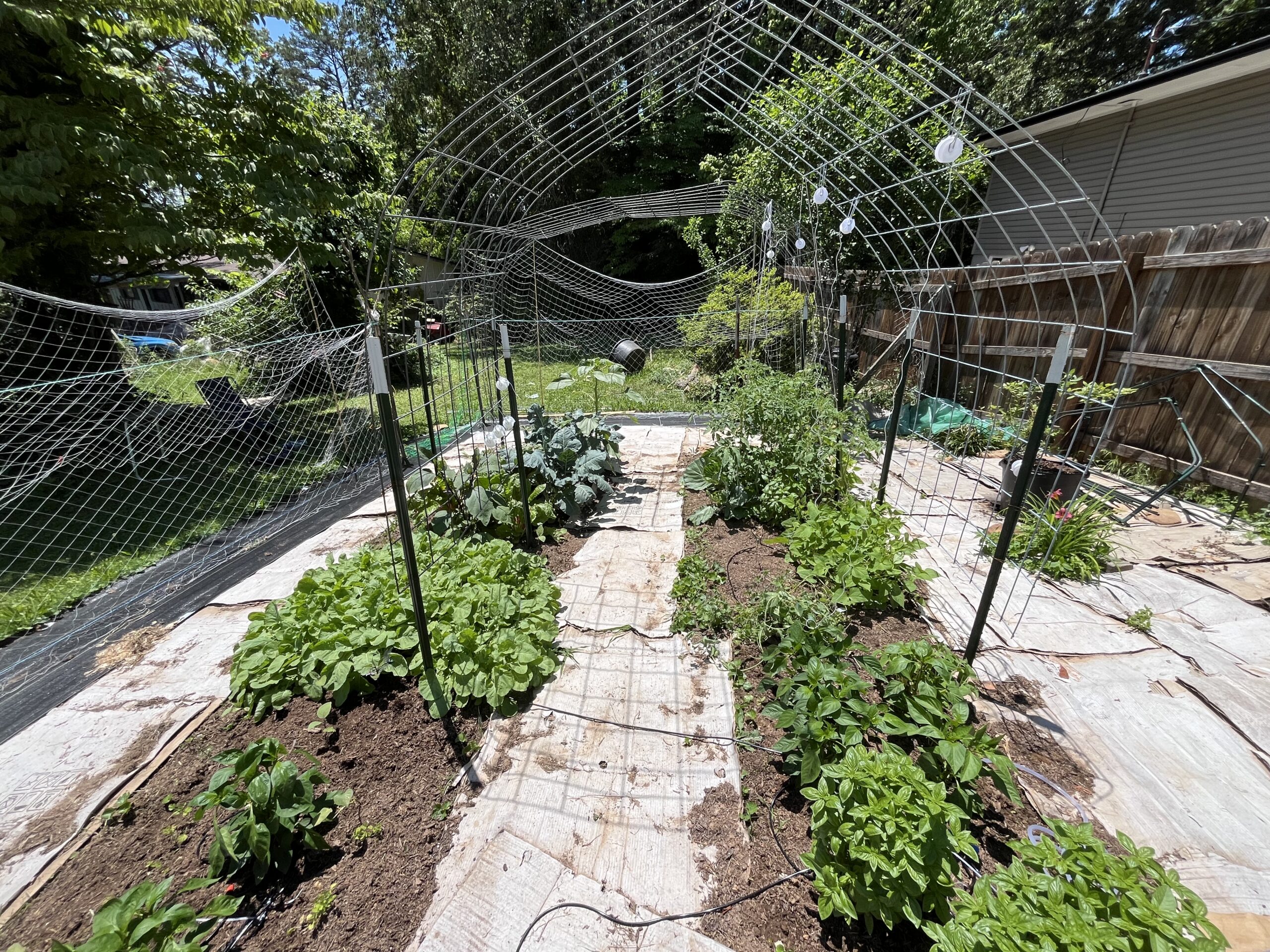
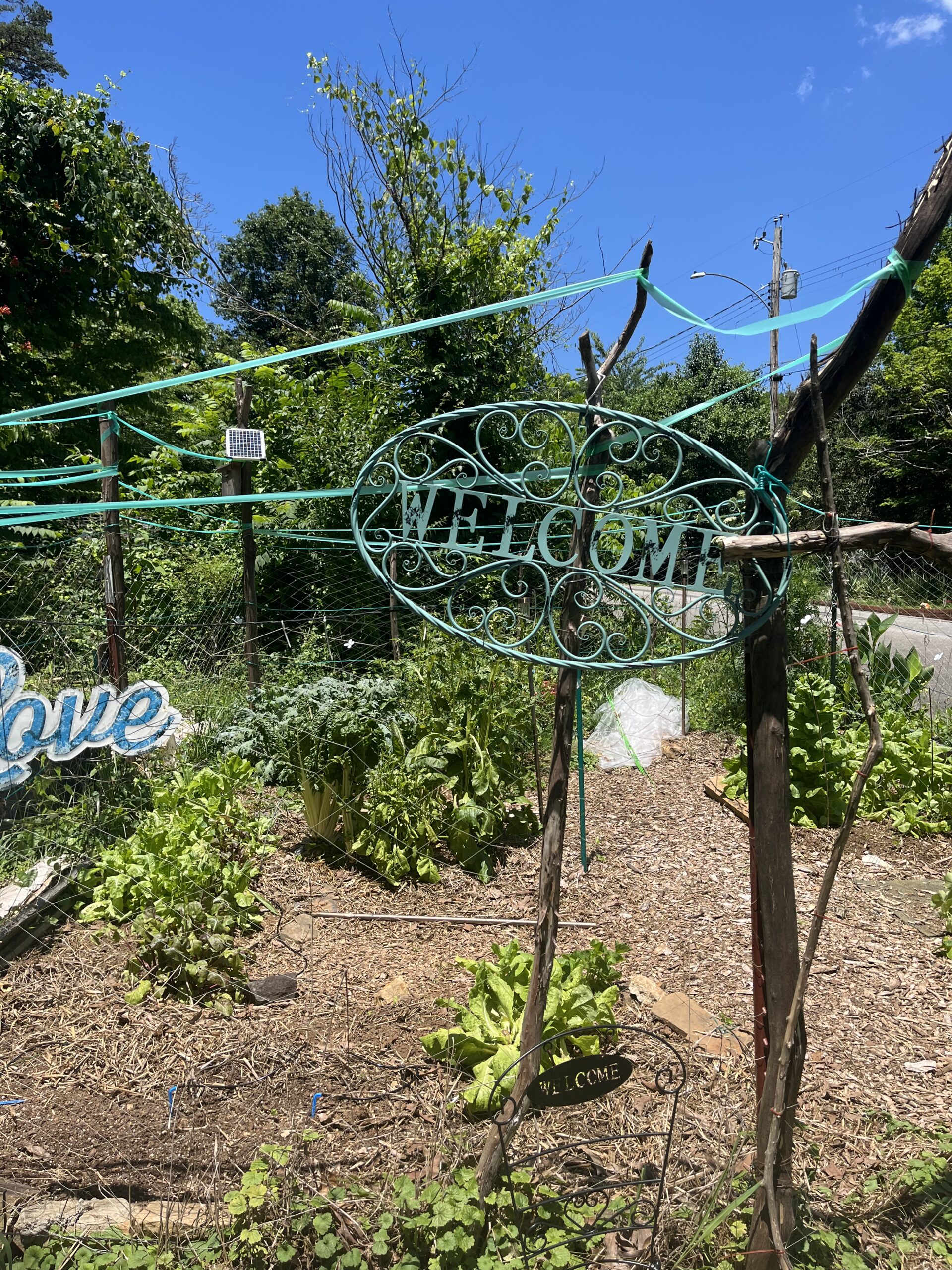
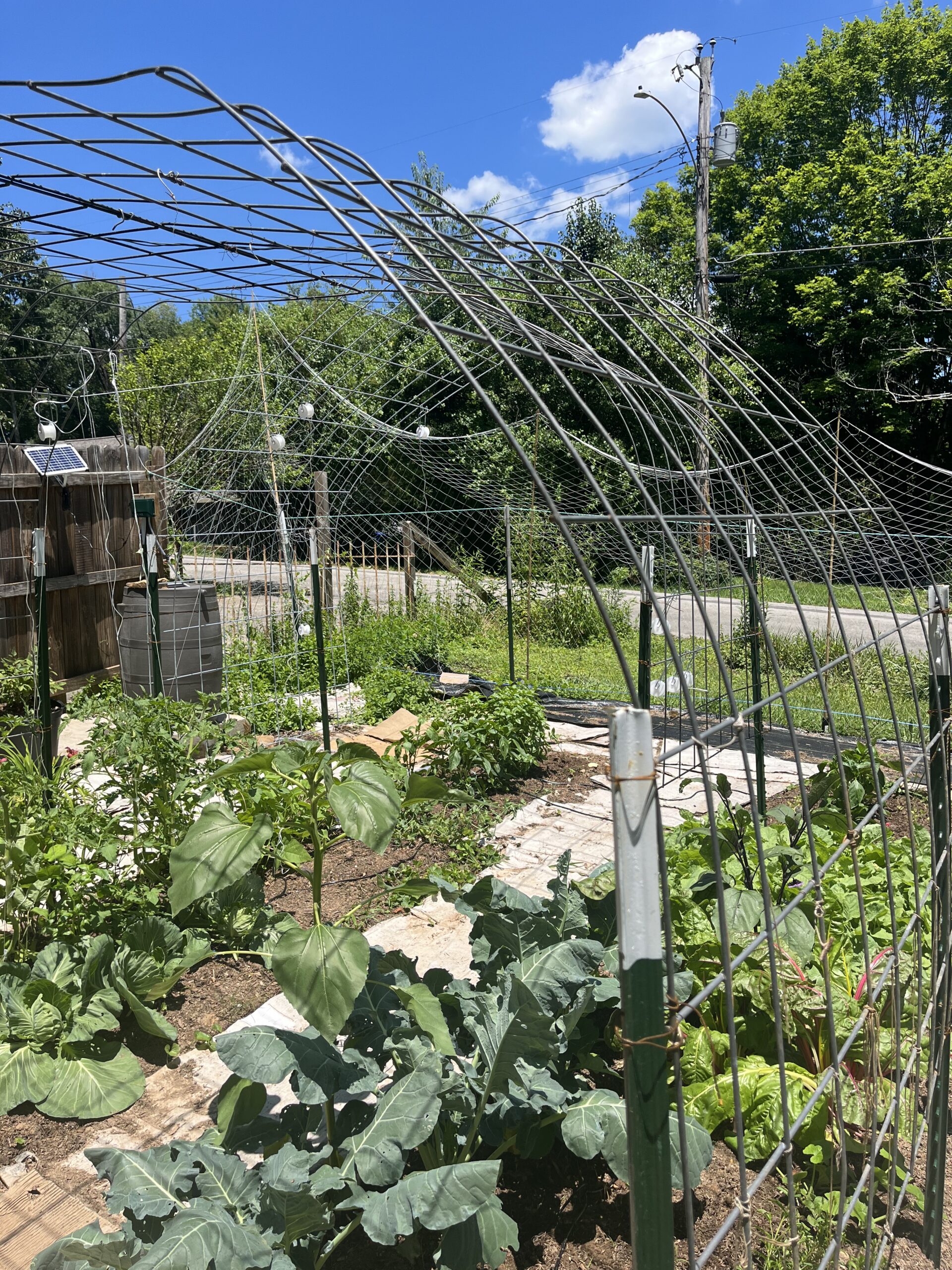
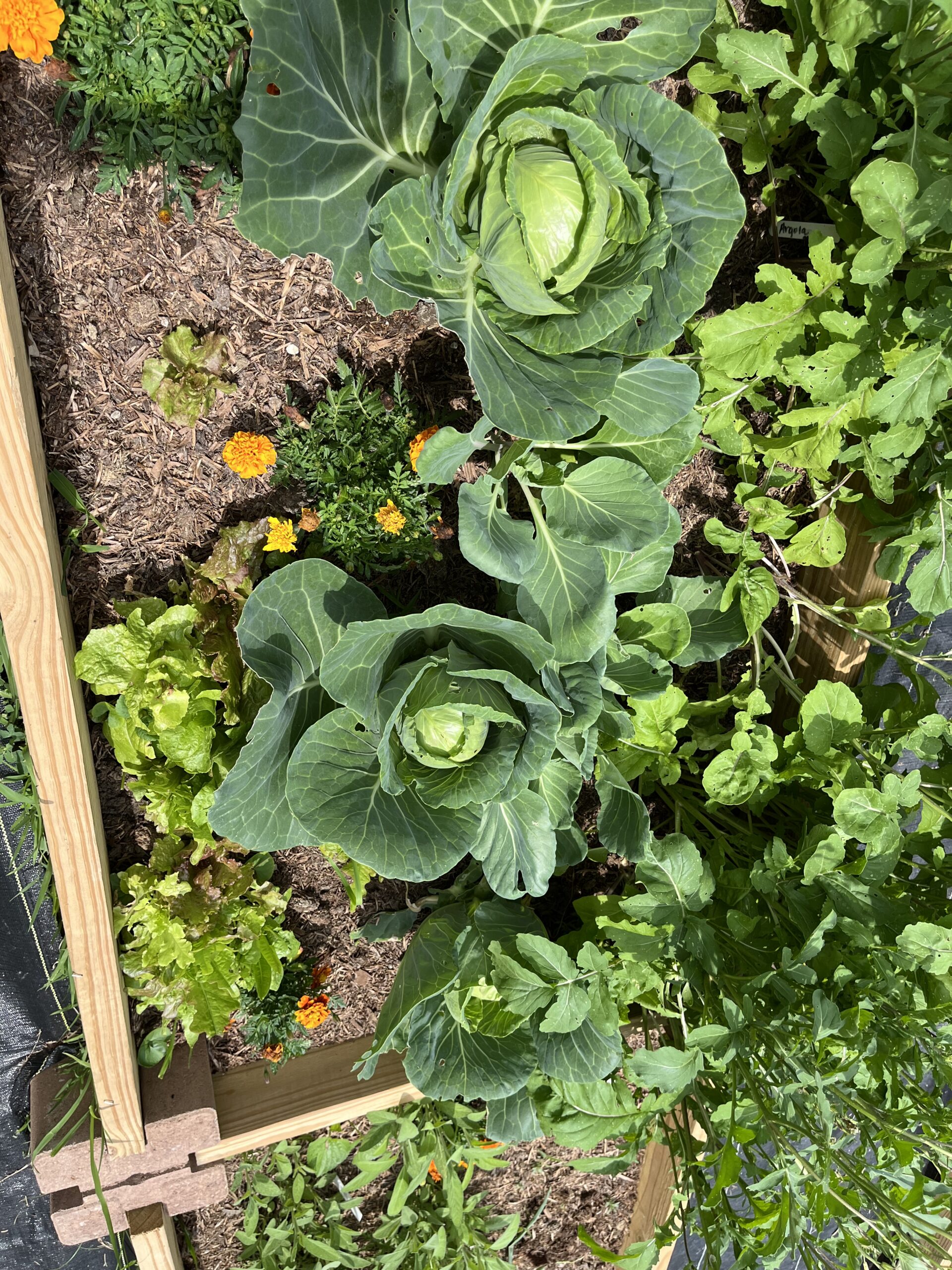
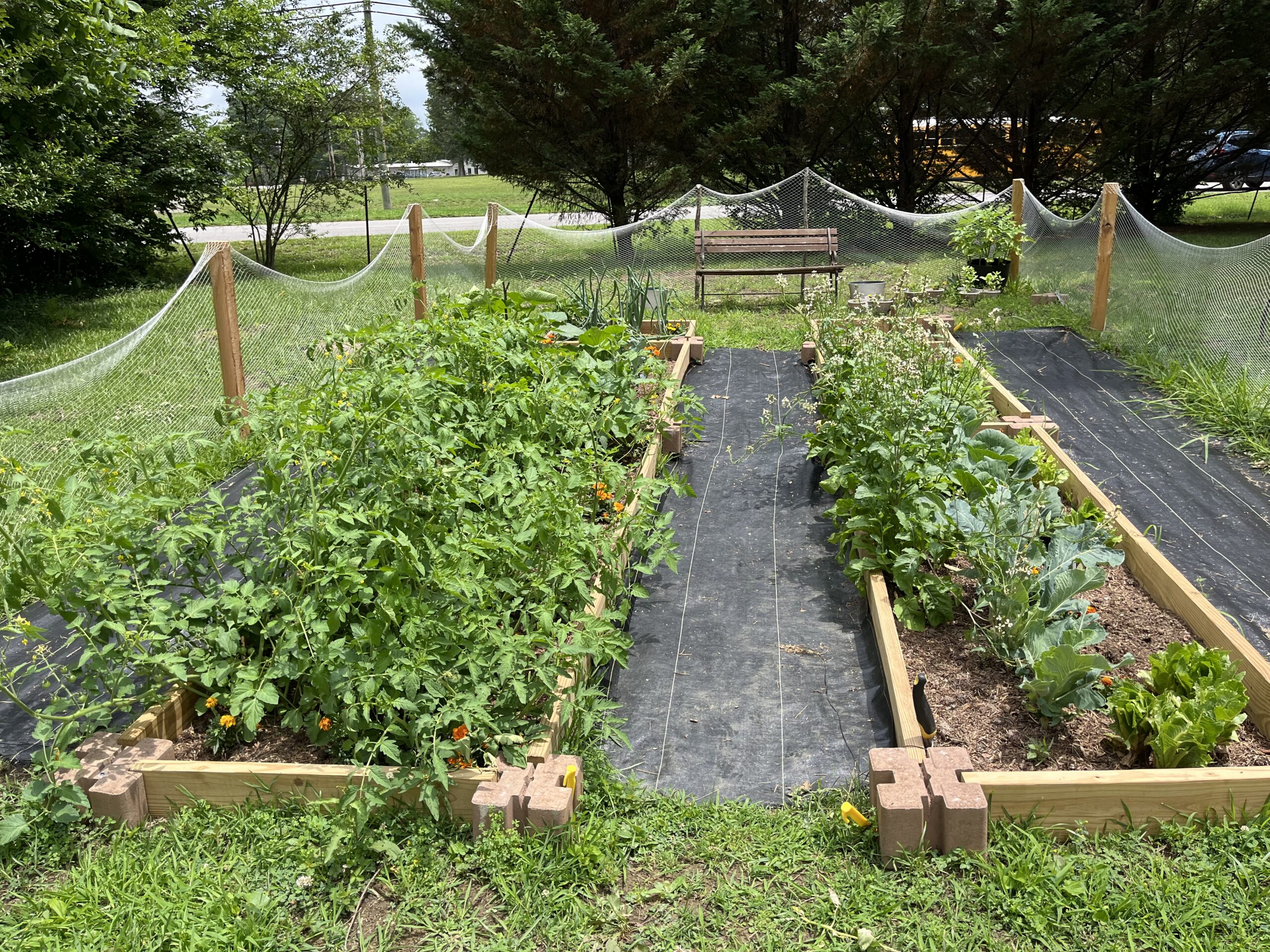
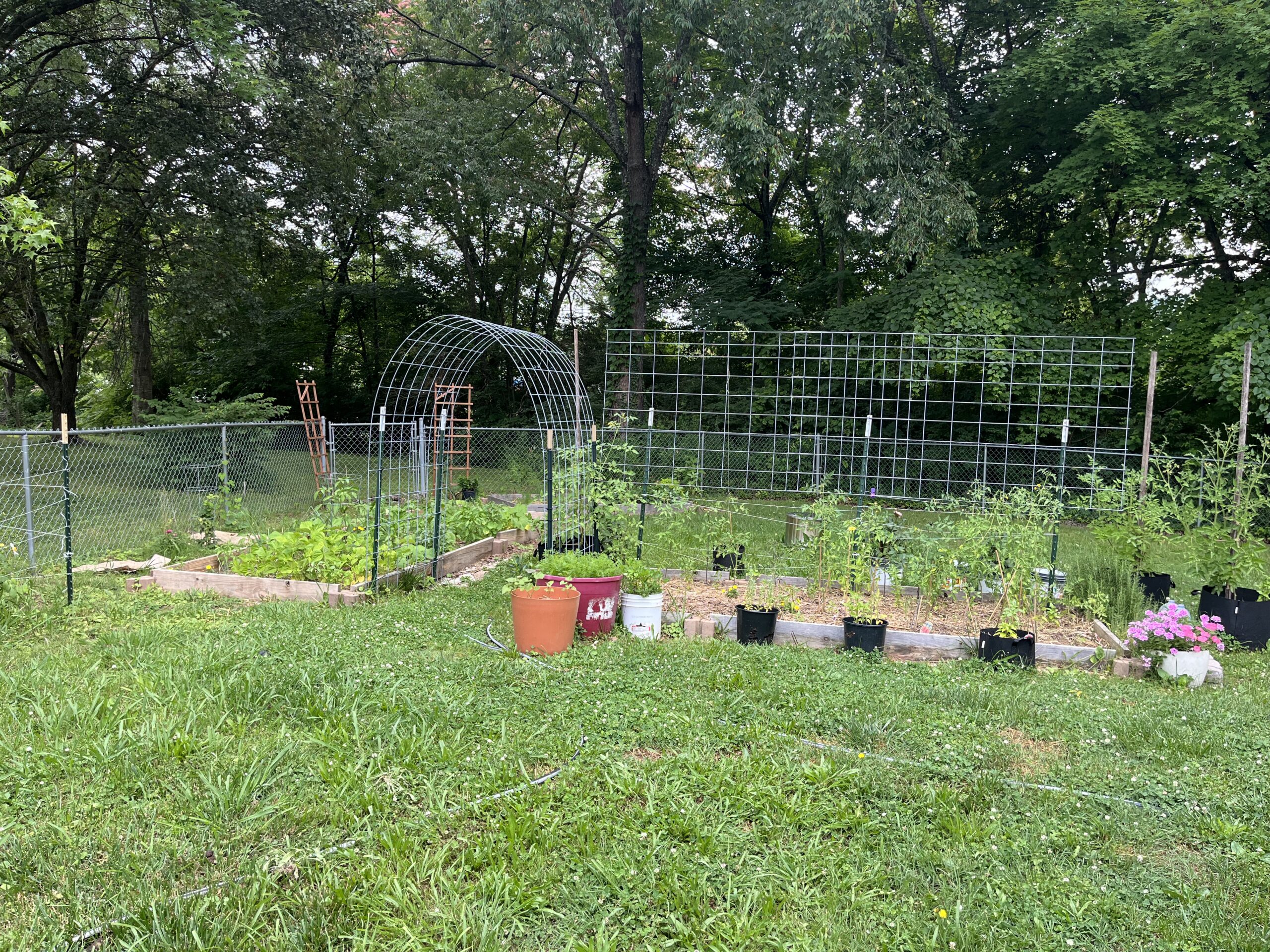
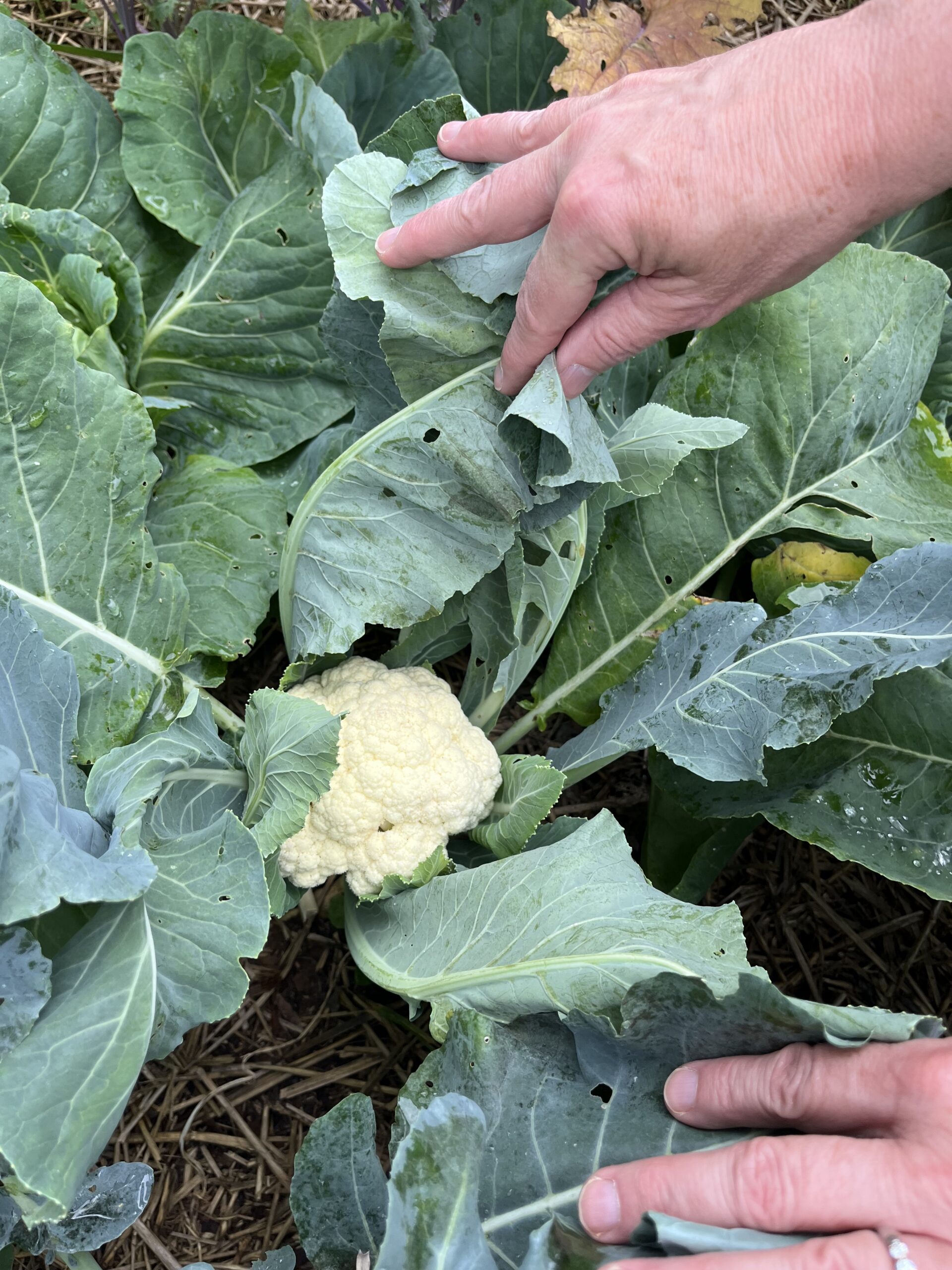
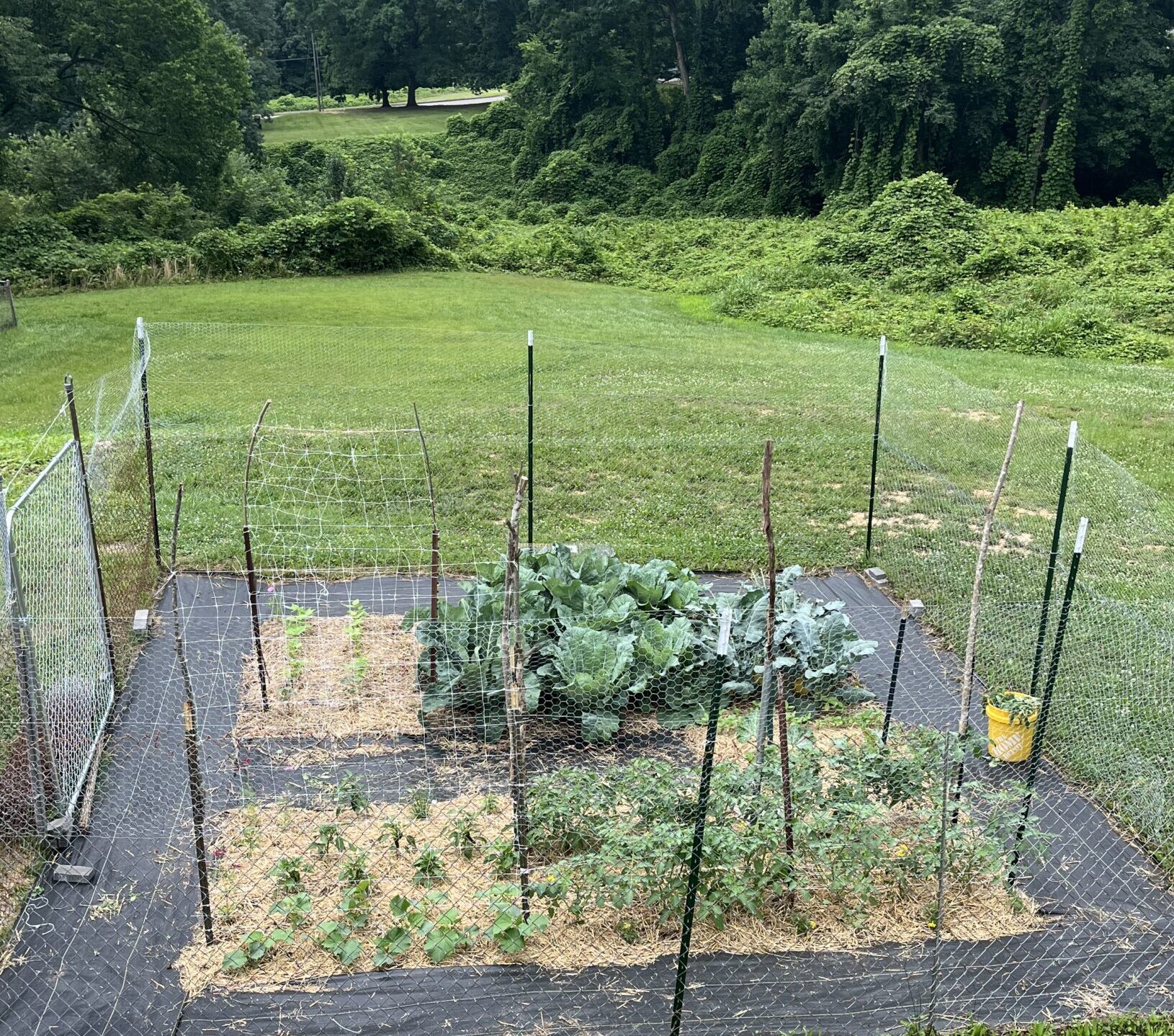
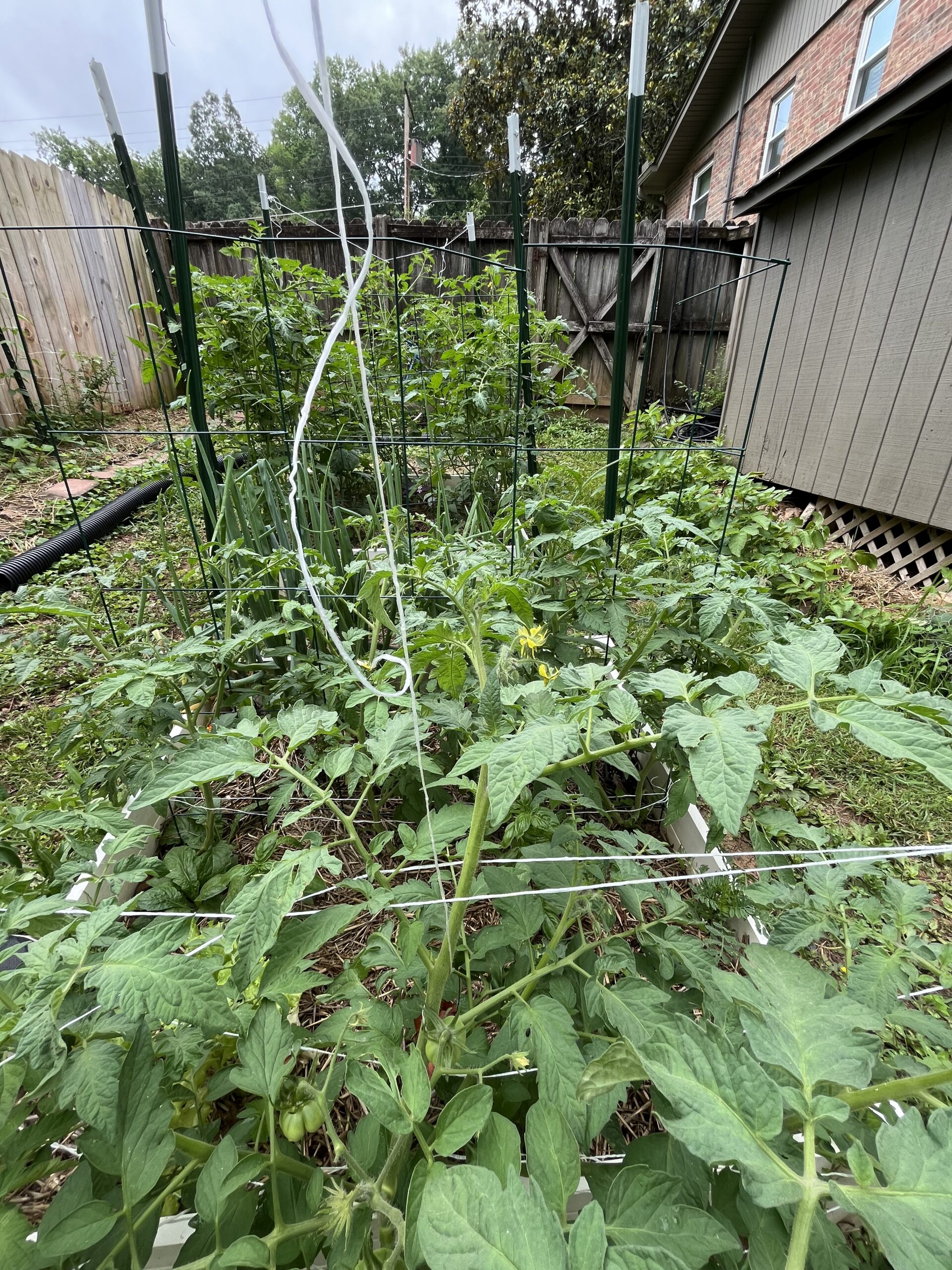
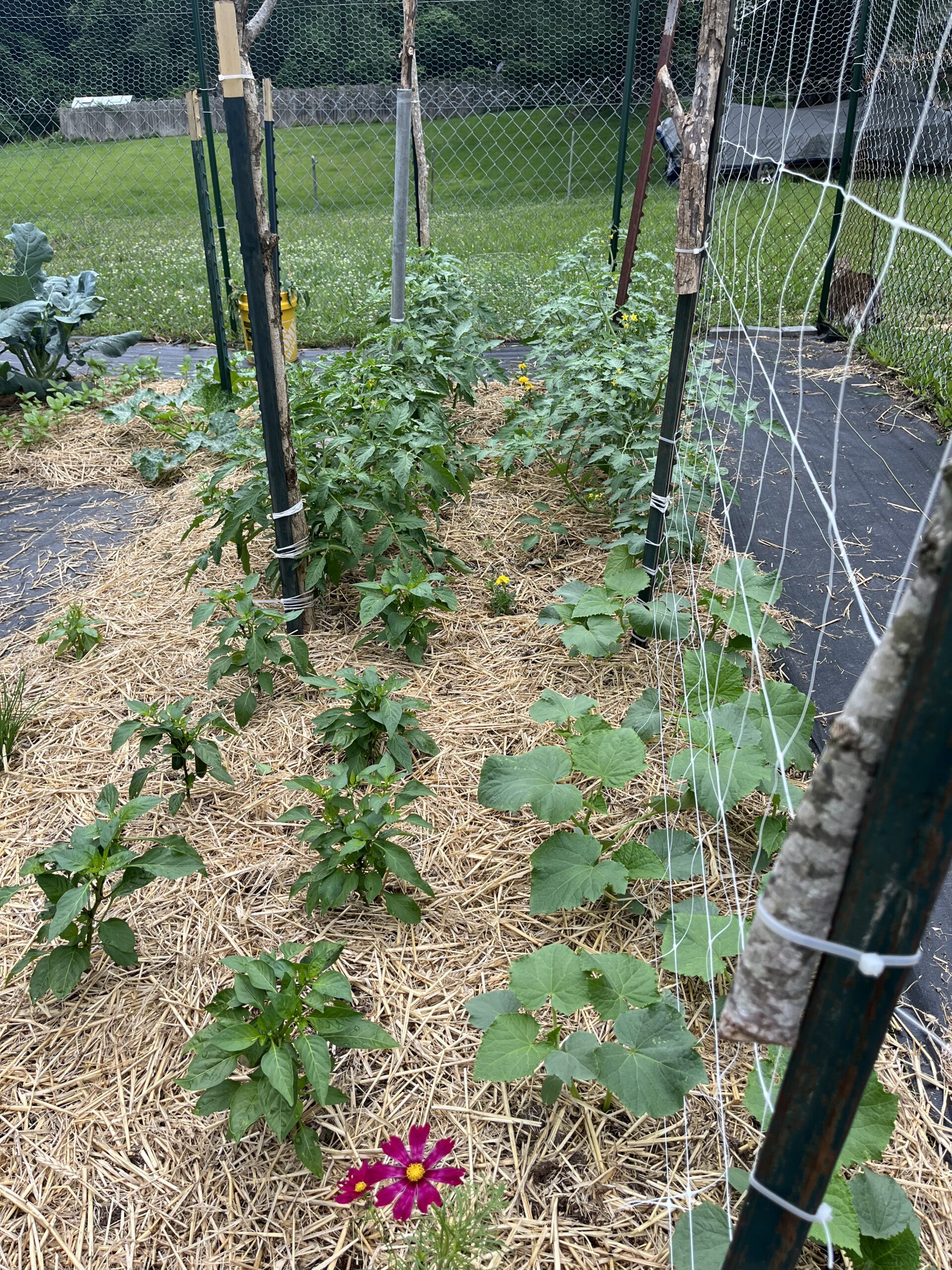
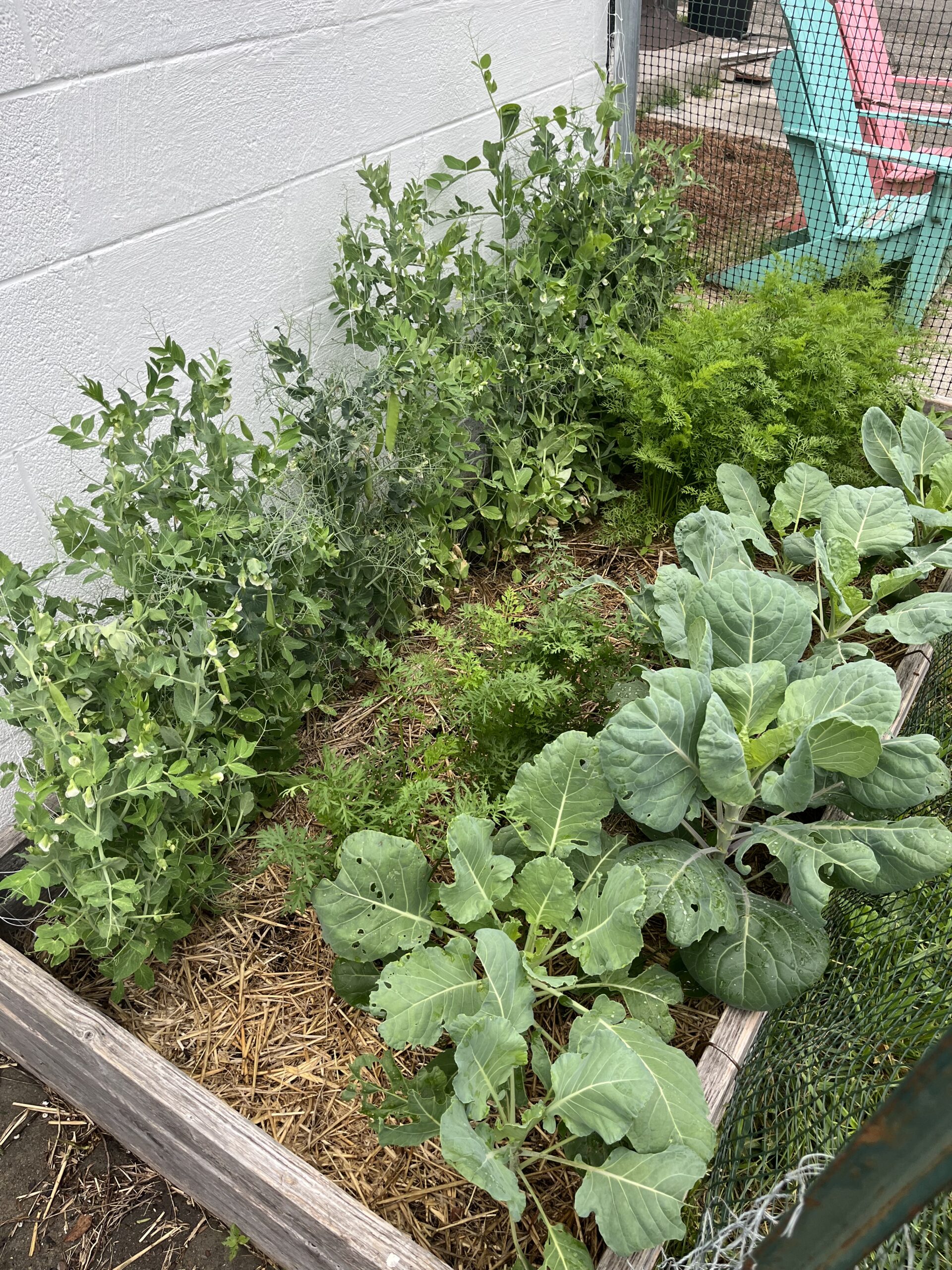
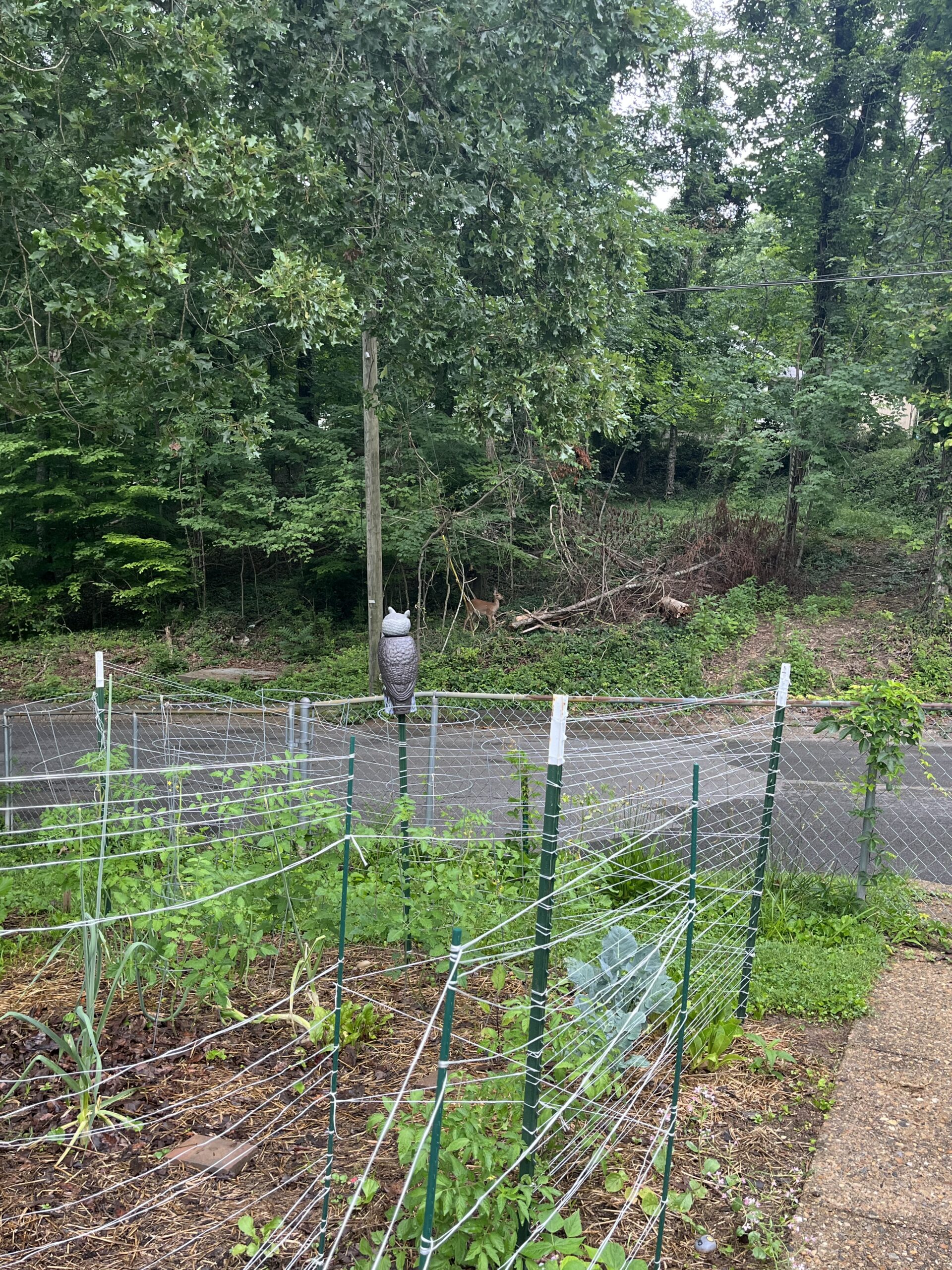
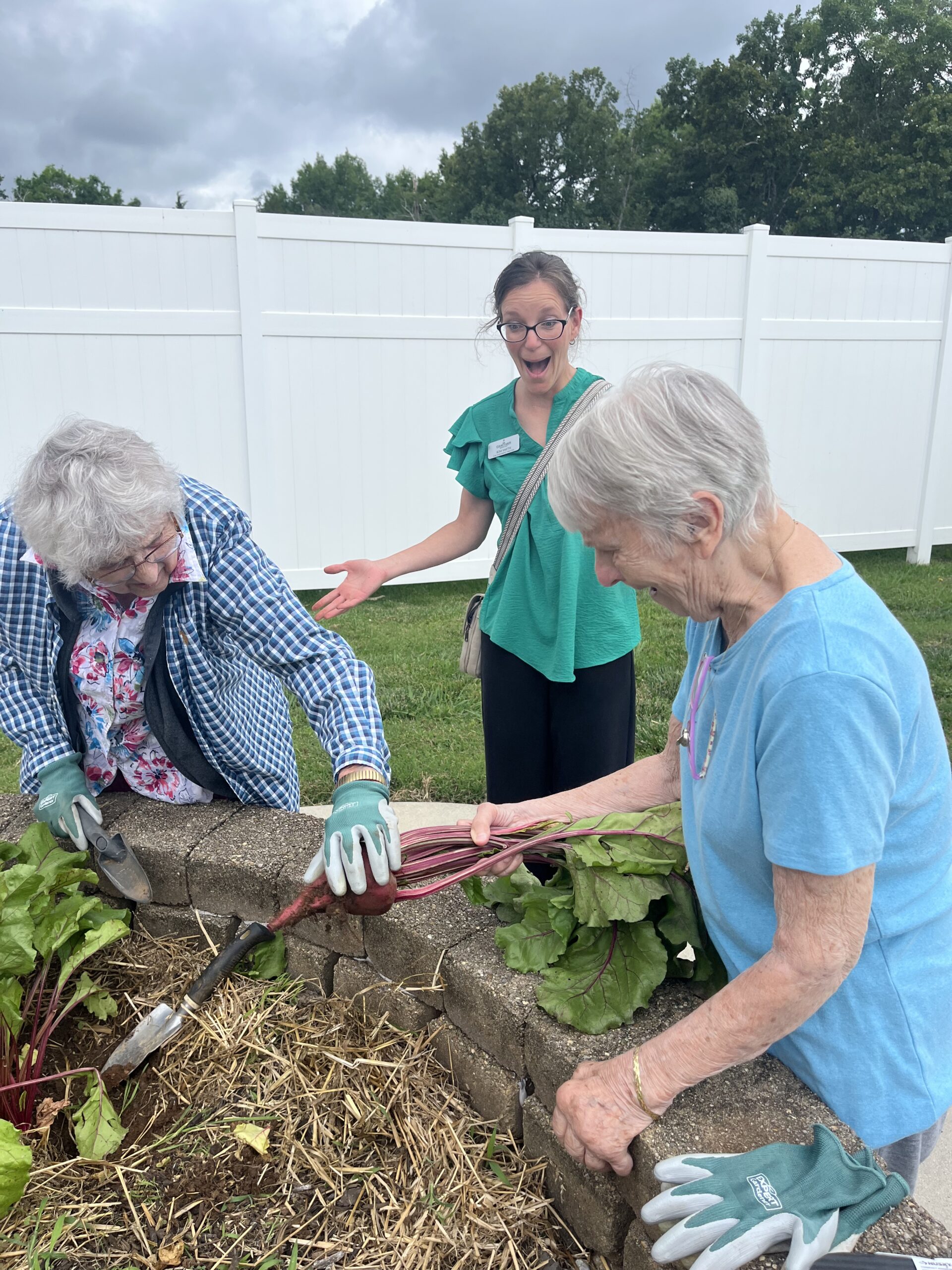
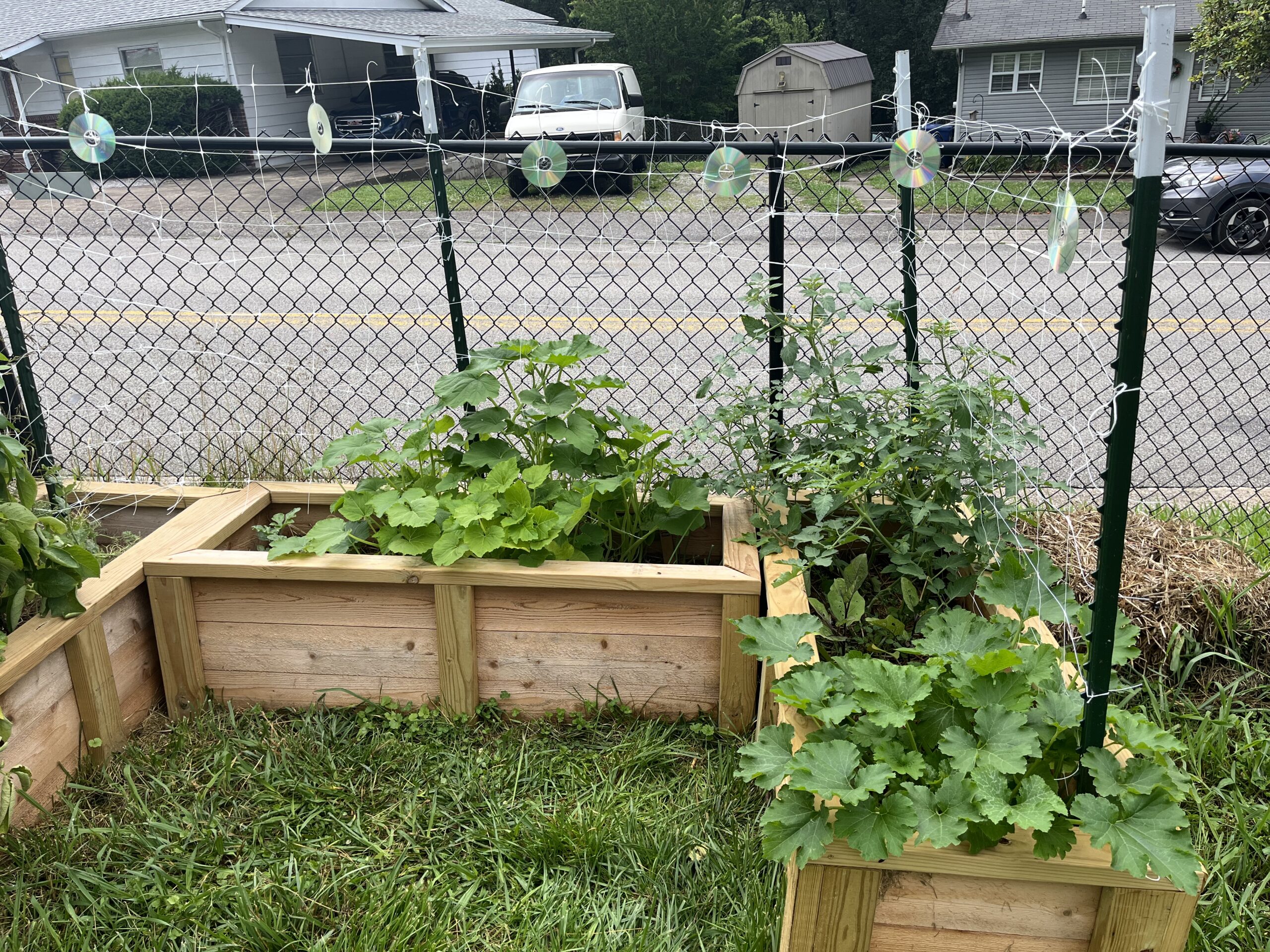
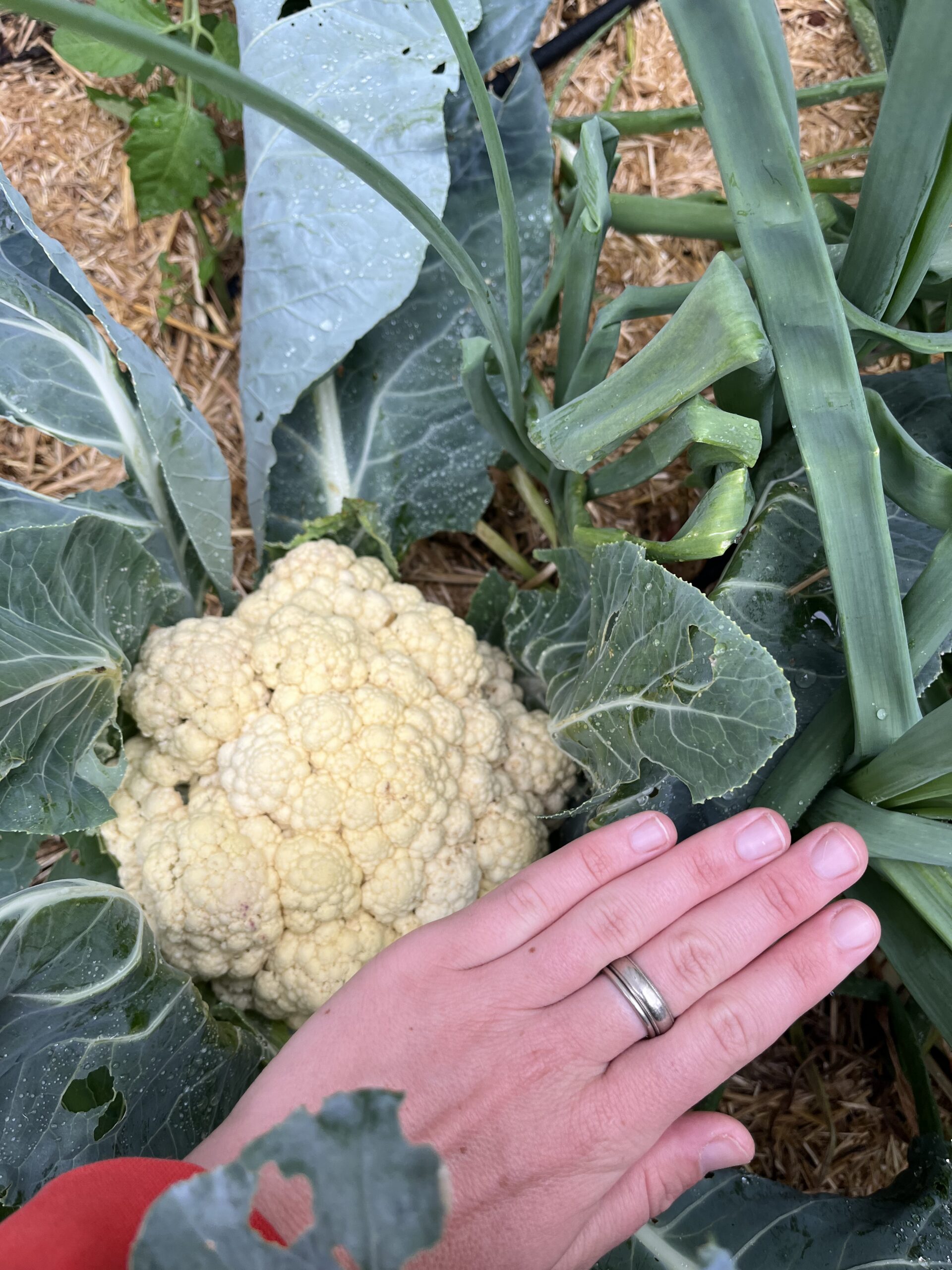
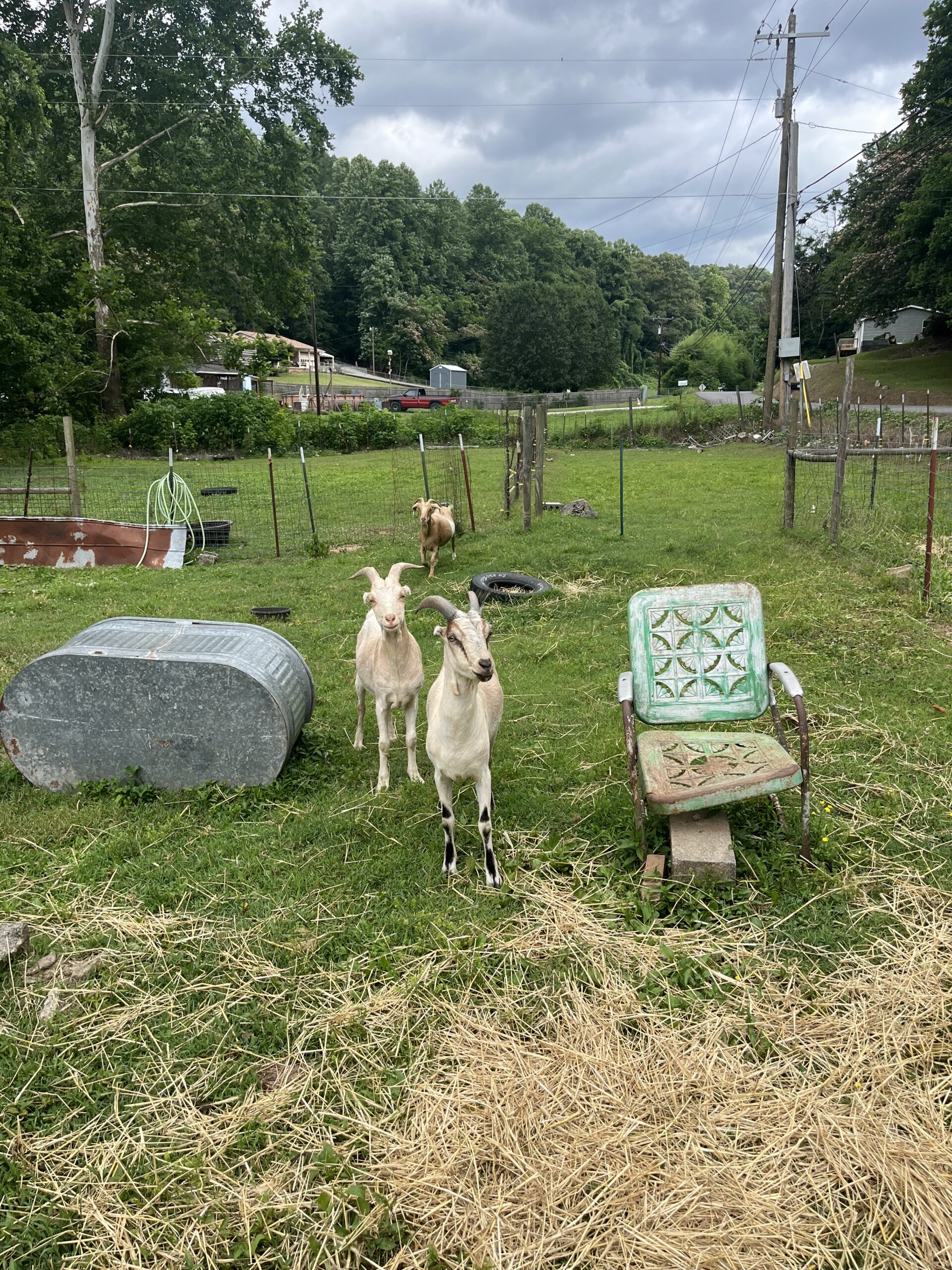
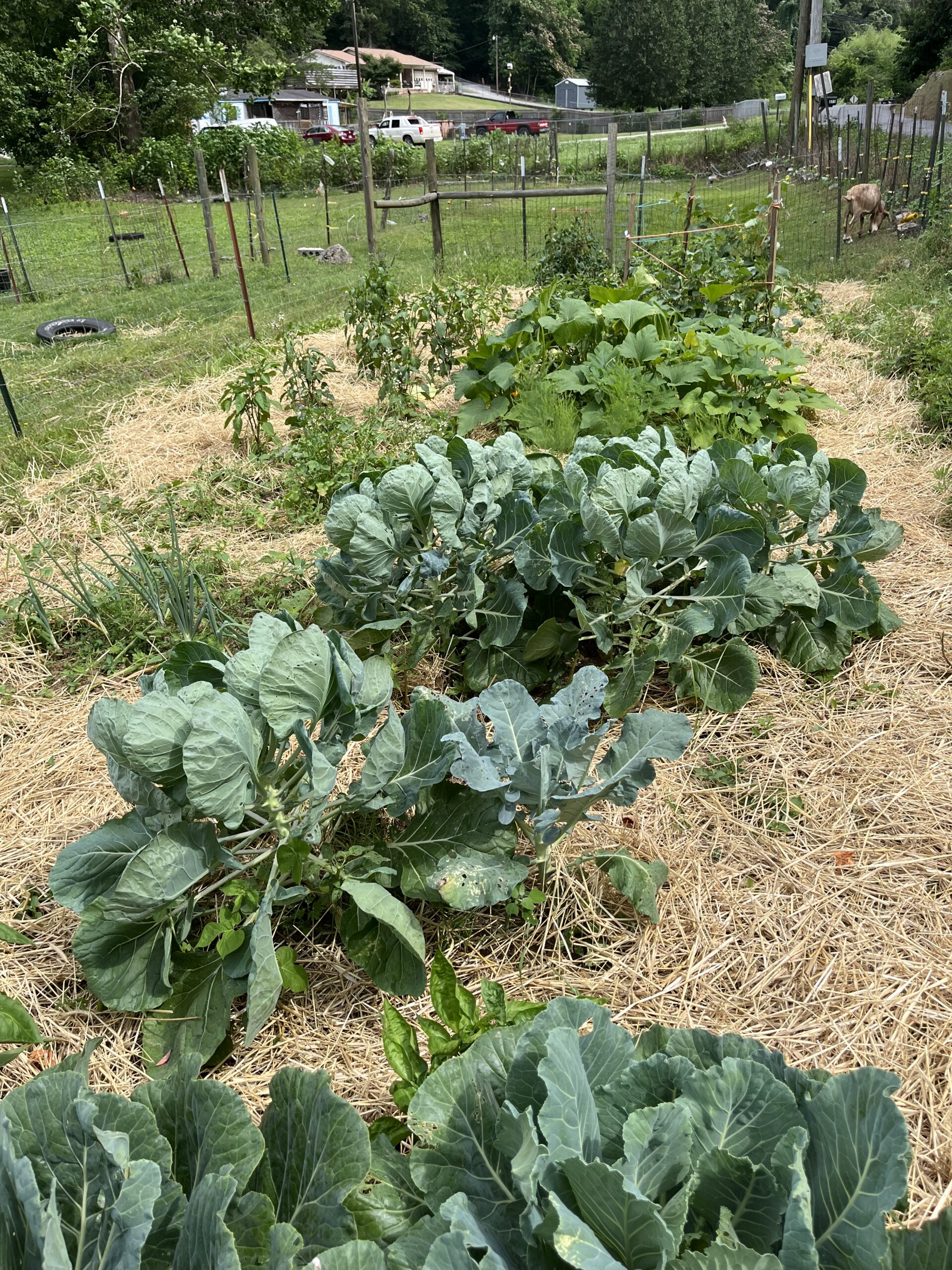
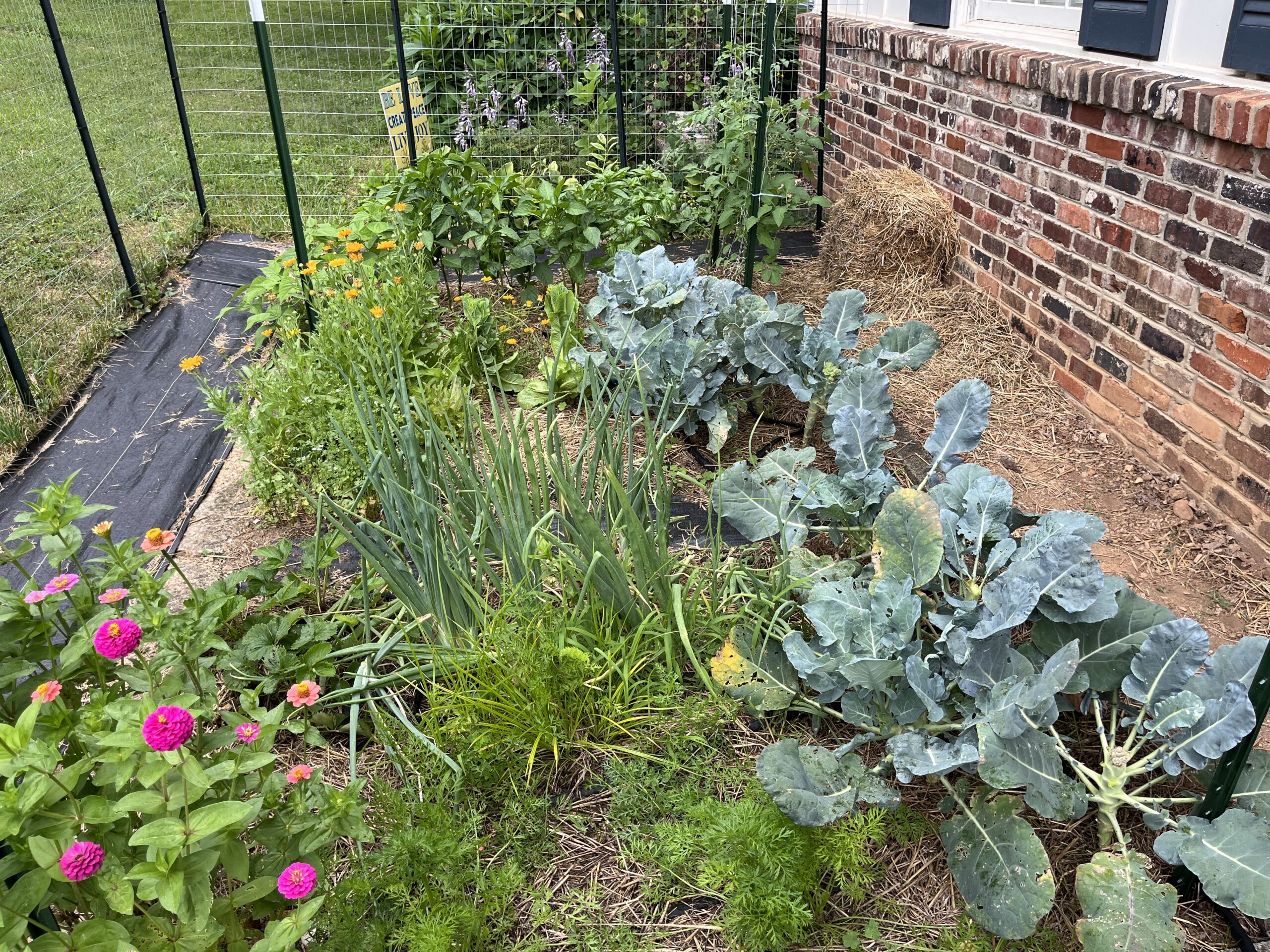
A collection of photos from our gardens:


I love these lessons learned, Katie! Thanks so much for sharing.