
With climate patterns becoming increasingly inconsistent, generating severe weather, and shortening our winters, aphids are proving to be an increasing problem for gardeners. Aphid populations are expeditiously multiplying, notably on our gardeners’ pepper and tomato transplants.
According to the National Institute of Health, “temperature is the most important environmental factor affecting insect population dynamics, it is expected that global climate warming could trigger an expansion of their geographic range, increased overwintering survival, increased number of generations, increased risk of invasive insect species and insect-transmitted plant diseases, as well as changes in their interaction with host plants and natural enemies.” Managing the expansion of aphid populations is more important than ever in order to keep plants healthy and productive, and to minimize the spread of disease in our organically managed gardens.
A few of our gardeners have made strides in decreasing their aphid populations via removal/crushing by hand, as well as spraying with neem or diluted soapy water. These are effective methods for removal when populations have not yet become damaging to leaves or transmit disease.
It is imperative that controls are implemented before aphids ravage leaves, impairing plants from properly carrying out photosynthetic processes and sourcing energy for developmental growth. I would like to offer up an organic chemical control option that is sourced from a botanical most likely found in your own backyard.
Wild Garlic
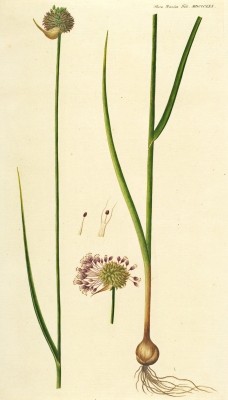
Wild garlic (Allium vineale) is one the first perennials to show up in early spring in the Northeast and is considered a noxious weed by the USDA. Using it as a pest control is an effective way to remove garden weeds and utilize their natural sulfuric compounds to your advantage. If you find an abundance of wild garlic in your yard, dig them up and use them in this recipe.
Recipe
4 cups water
60 g Wild garlic (Allium vinale) bulbs, or conventional garlic (about one large bulb)
2 Tbsp vegetable oil
Optional Ingredients:
1 Tbsp unscented castile soap
2 Tbsp cayenne
2 tsp neem oil
- Chop shoots and roots off wild bulbs, or peel conventional garlic cloves, and puree the cloves along with the oil and water.
- Allow to sit overnight and then strain the mixture.
- Add any additional ingredients* and mix thoroughly.
- Pour into a spray bottle and spray directly on pest infected plants.
*The optional ingredients in this recipe will serve as a more extensive means of pest control, which can help to deter other insect pests.
In order for this method to be most effective, integrating other means of control will ensure plants are even less susceptible to egg hatching and aphid development. Additional controls include:
Removal by Hand
Aphids are not harmful to humans! Squish them between your fingers once populations are more easily manageable.
High Pressure Hose
Use streams of water at higher pressures in order to knock aphids off plants, preventing them from laying eggs. Keep leaves consistently wet, as dry periods allow time and space for egg laying and hatching.
Neem/Vegetable Oil
Spraying oils onto your plants will smother aphid eggs and prevent them from hatching. Neem oil, specifically, repels aphids and discontinues the development of hatchlings. Spraying weekly is recommended.
Aphids can cause a lot of stress in our gardening efforts, but look no further than your own backyard – our local ecology is often providing organic solutions to our organic problems. Happy gardening!
Written by Kara McNab
References
Skendžić, Sandra, et al. “The Impact of Climate Change on Agricultural Insect Pests.” Insects, vol. 12, no. 5, May 2021, https://doi.org/10.3390/insects12050440



I have a bumper crop of wild garlic so it’s good that a free , natural remedy is at hand is good information.