
This part of the year always always feels like the beginning of the season’s excitement, as spring crops are starting to come in and summer crops are beginning to be planted.
Many of our gardeners have begun to plant their warm season crops in the last few weeks, after waiting for the final frost free date of April 22 in East Tennessee. After a few cold evenings in late April & May, it was safe to plant warm season crops without a row cover. If folks had planted early, we encouraged them to cover their plants with a row cover or another household item like a bedsheet.
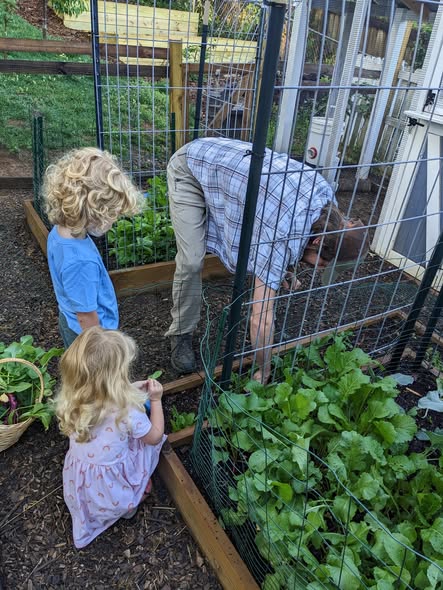
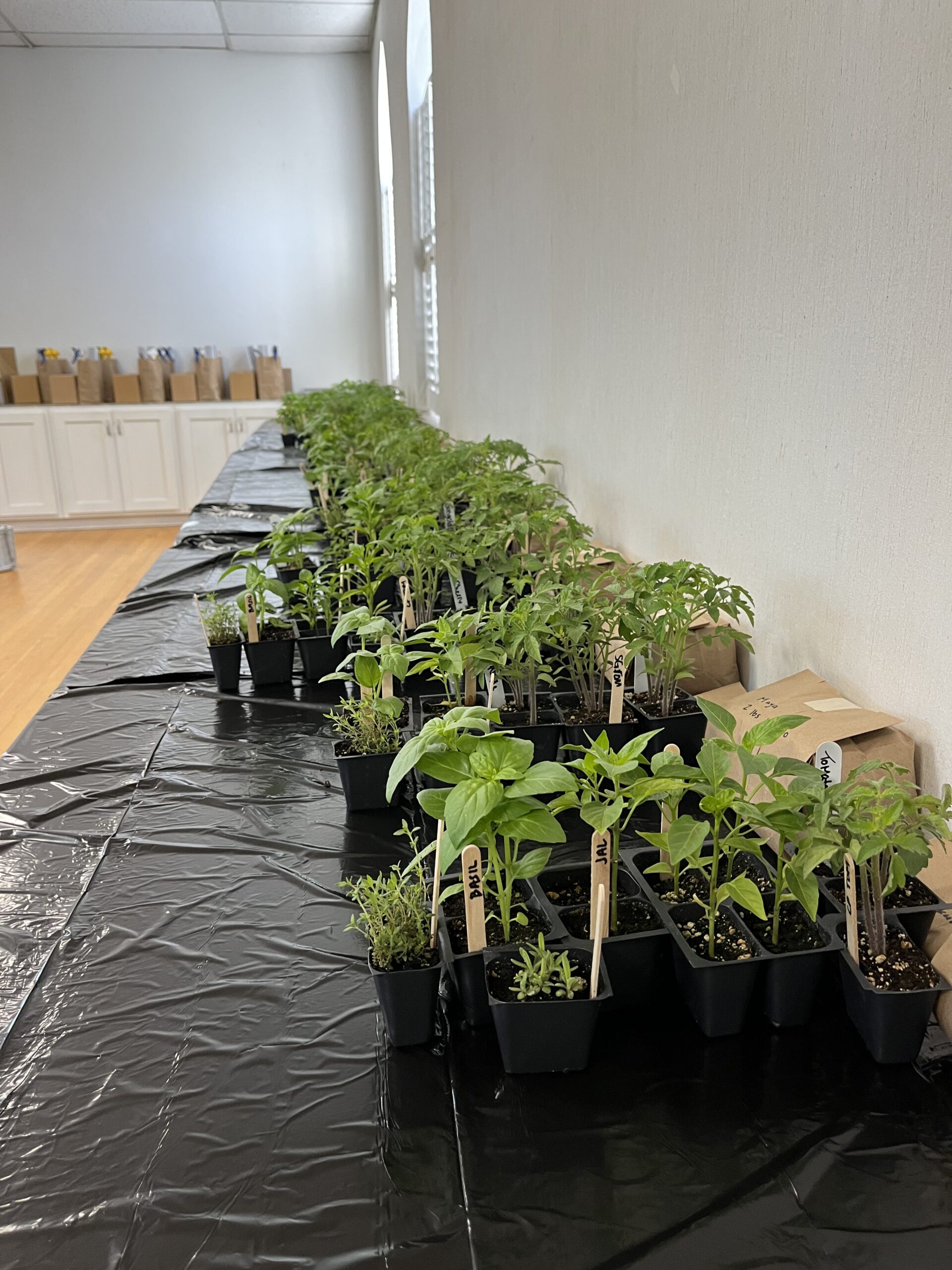
In March, we had our Garden Planting workshop, where our gardeners received their spring plants and seeds. They also got a scoop of mushroom compost to help build their soil and improve tilth. We hosted a hands-on spring crop planting day to demonstrate spring crop planting and bed prep. As we have stepped into May, many of our gardeners have begun to see their first harvests from lettuce, kale, and swiss chard! We have also set up our Garden Mentorship program, where our gardeners who are confident in their skills can pass along knowledge and advice to some of our first year gardeners.
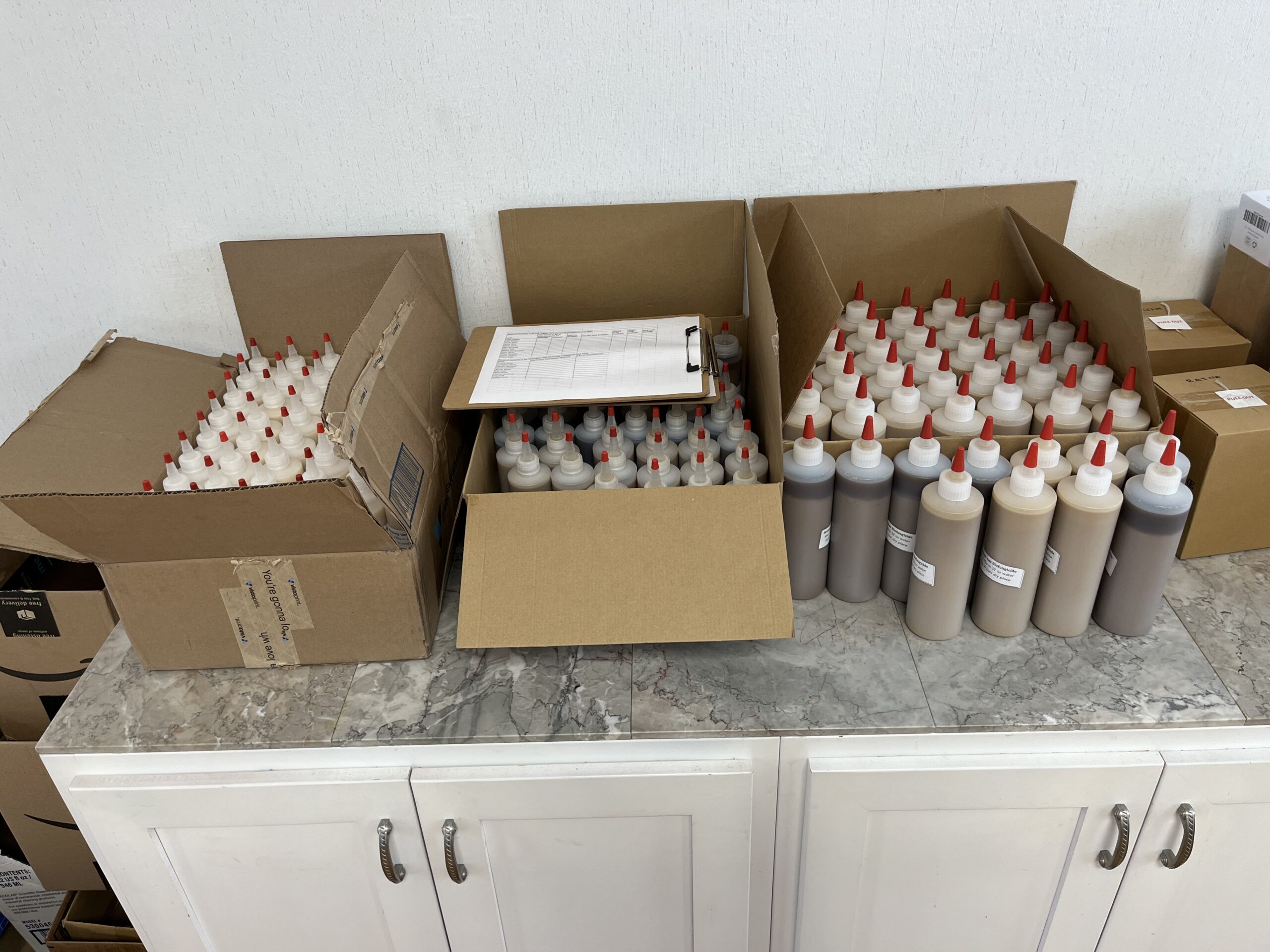
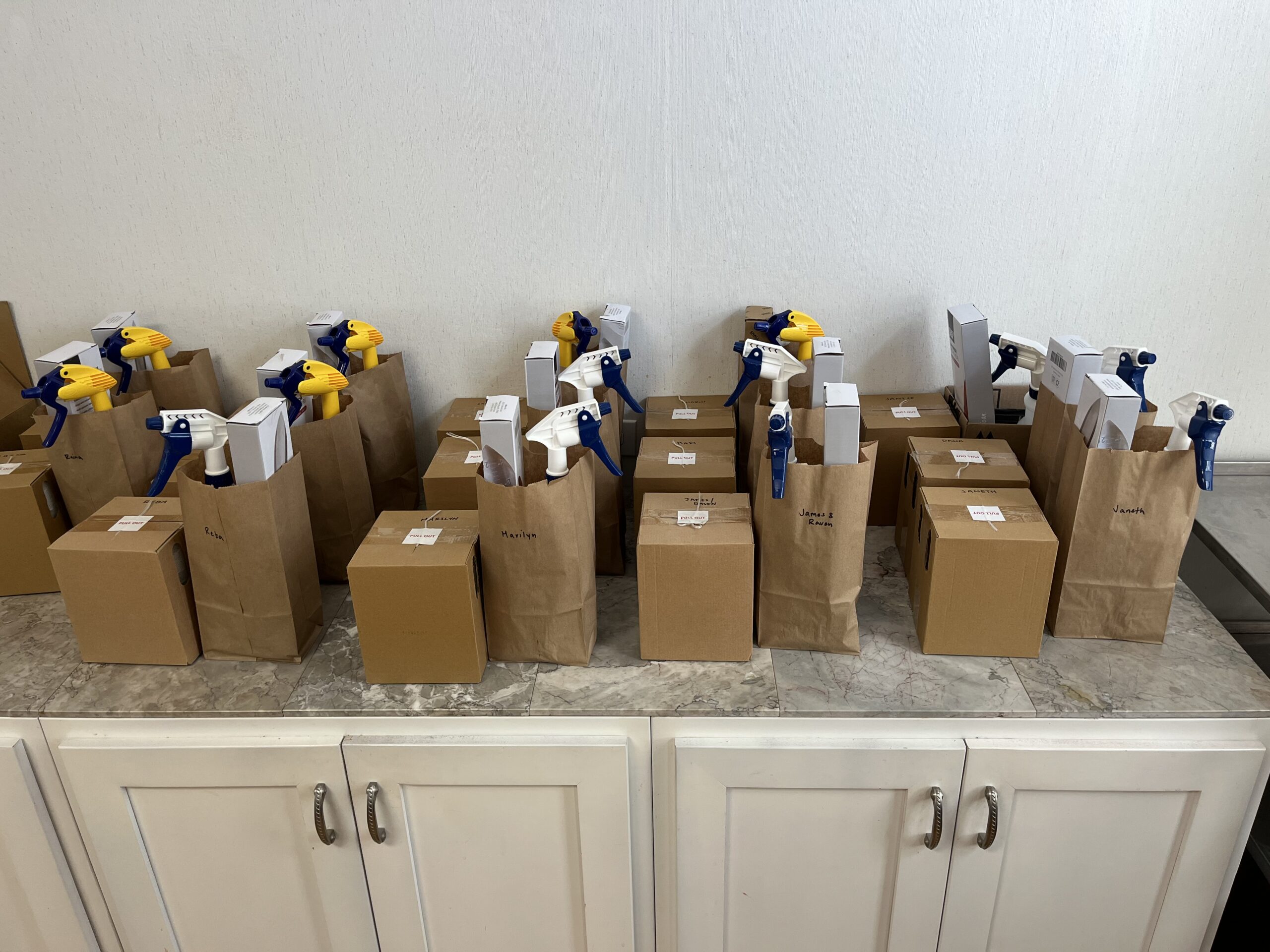
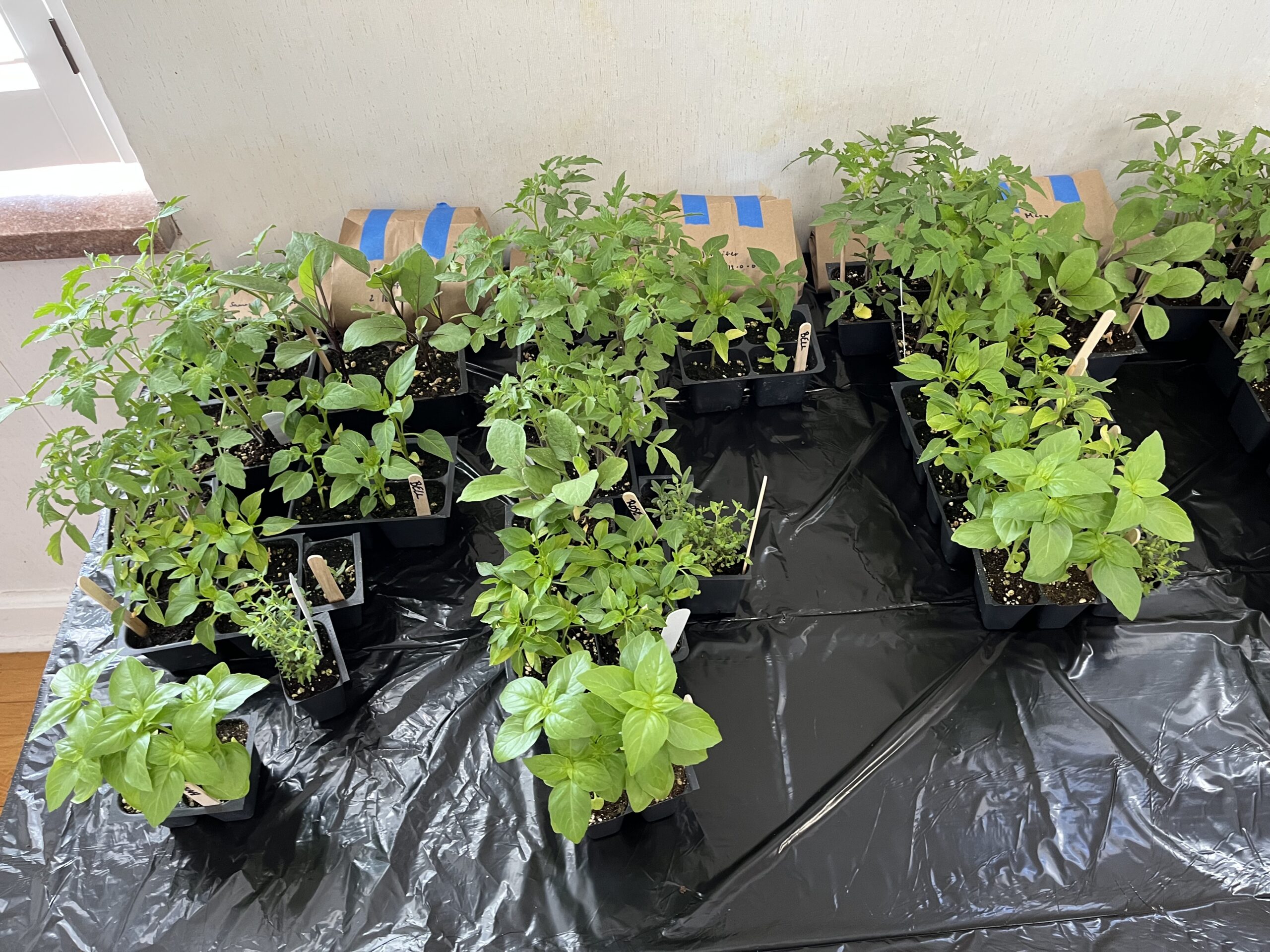
In April, we hosted our Garden Maintenance workshop, with our local horticulture extension agent, Seth Whitehouse. Our gardeners went home with their warm season plants, seeds, and pest control concentrate products. Our first year gardeners received their Hori Hori Garden Knife, Hula Hoe, Spray Bottle, and Pruning Snips. We also hosted a warm season hands-on planting day, where we demonstrated planting our warm season crops, setting up trellising materials, and harvested some spring crops.
We ended April with our Soil Health & Ask an Organic Farmer Workshop with local, organic farmer, Tracy Monday of Enlightenment Acres. He led an inspiring talk on building soils and hosted an open Q&A. One of our gardeners asked Tracy, “What do you see as a trouble free crop?” And he said that he considers a trouble free crop to be something that you love to eat! That response resonated with a lot of our participants because sometimes learning a wide variety of knowledge on different types of crops feels overwhelming to them. So, being able to concentrate on a few crops, particularly ones that participants feel most excited about, seems like good advice as our gardeners expand their knowledge.
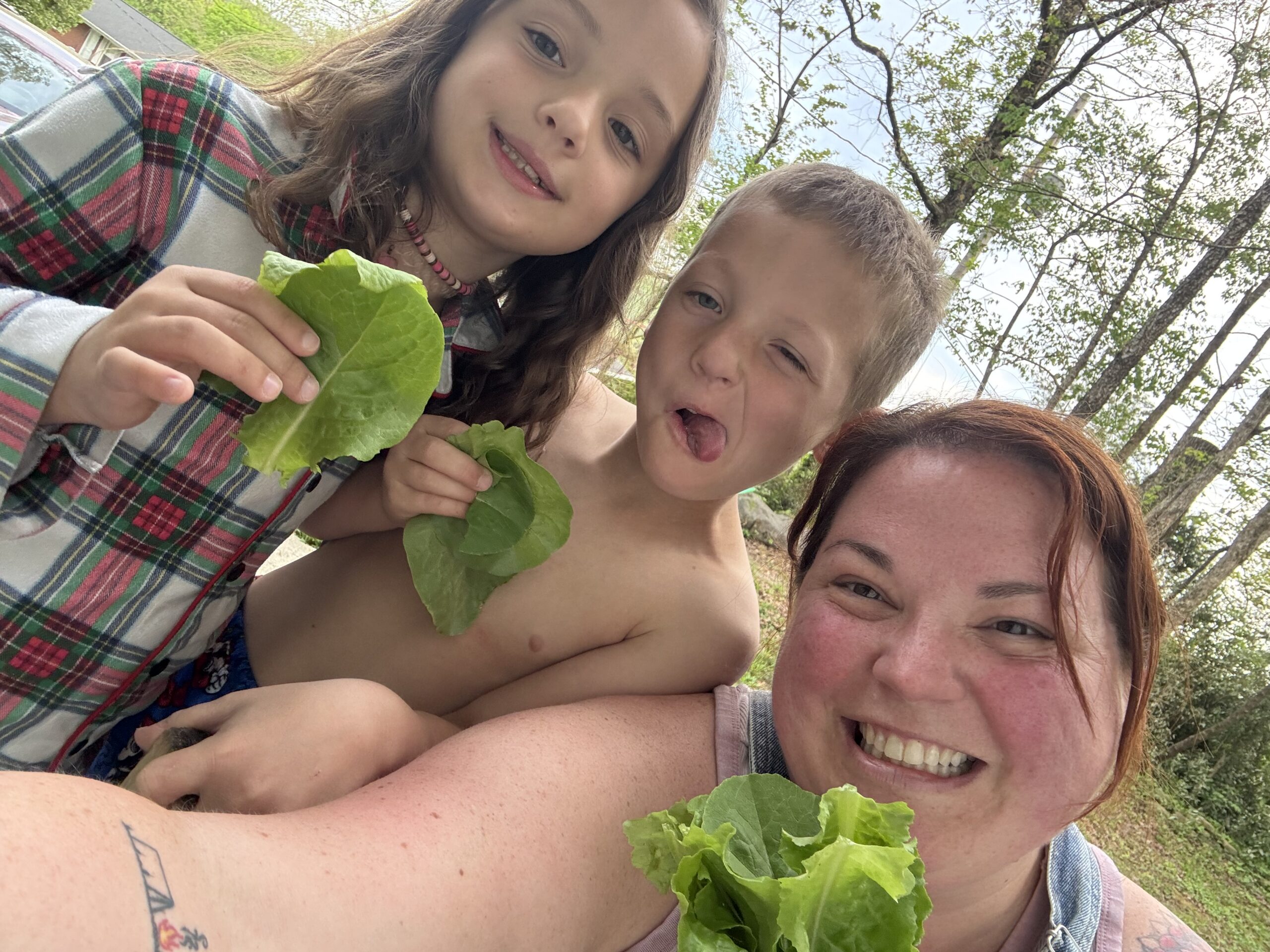
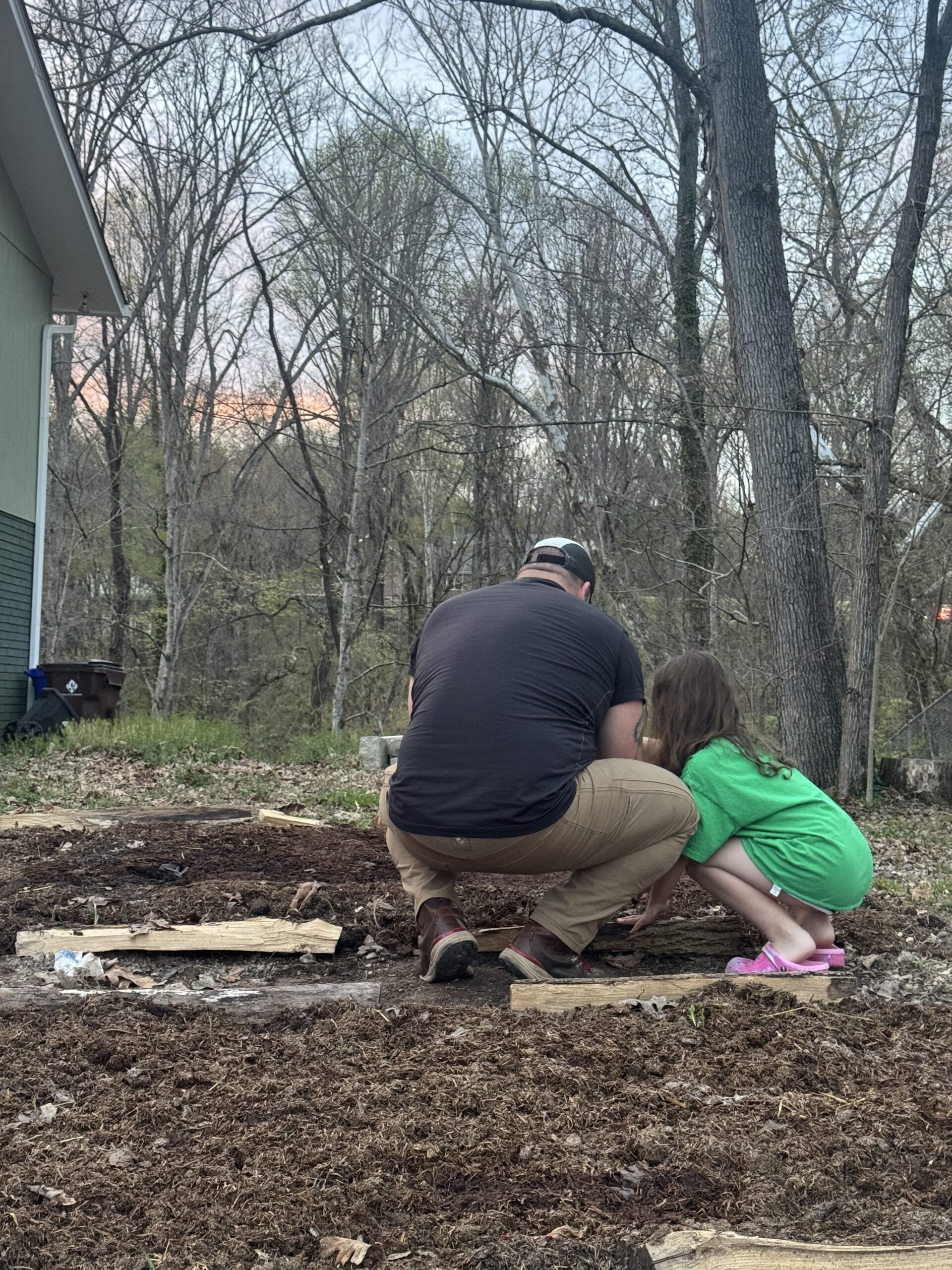
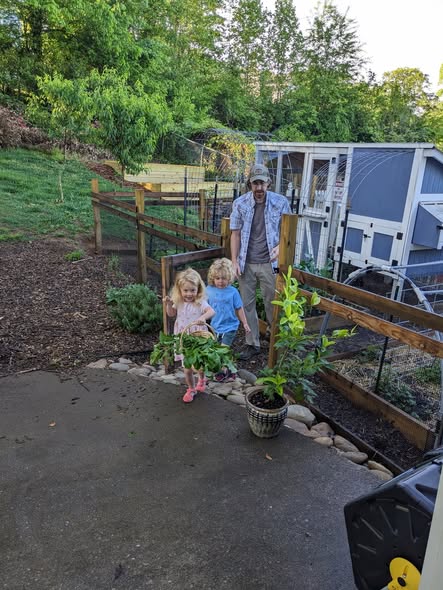



Thanks for sharing, Katie! I love to see all of the pictures of how you package and distribute items to your gardeners.