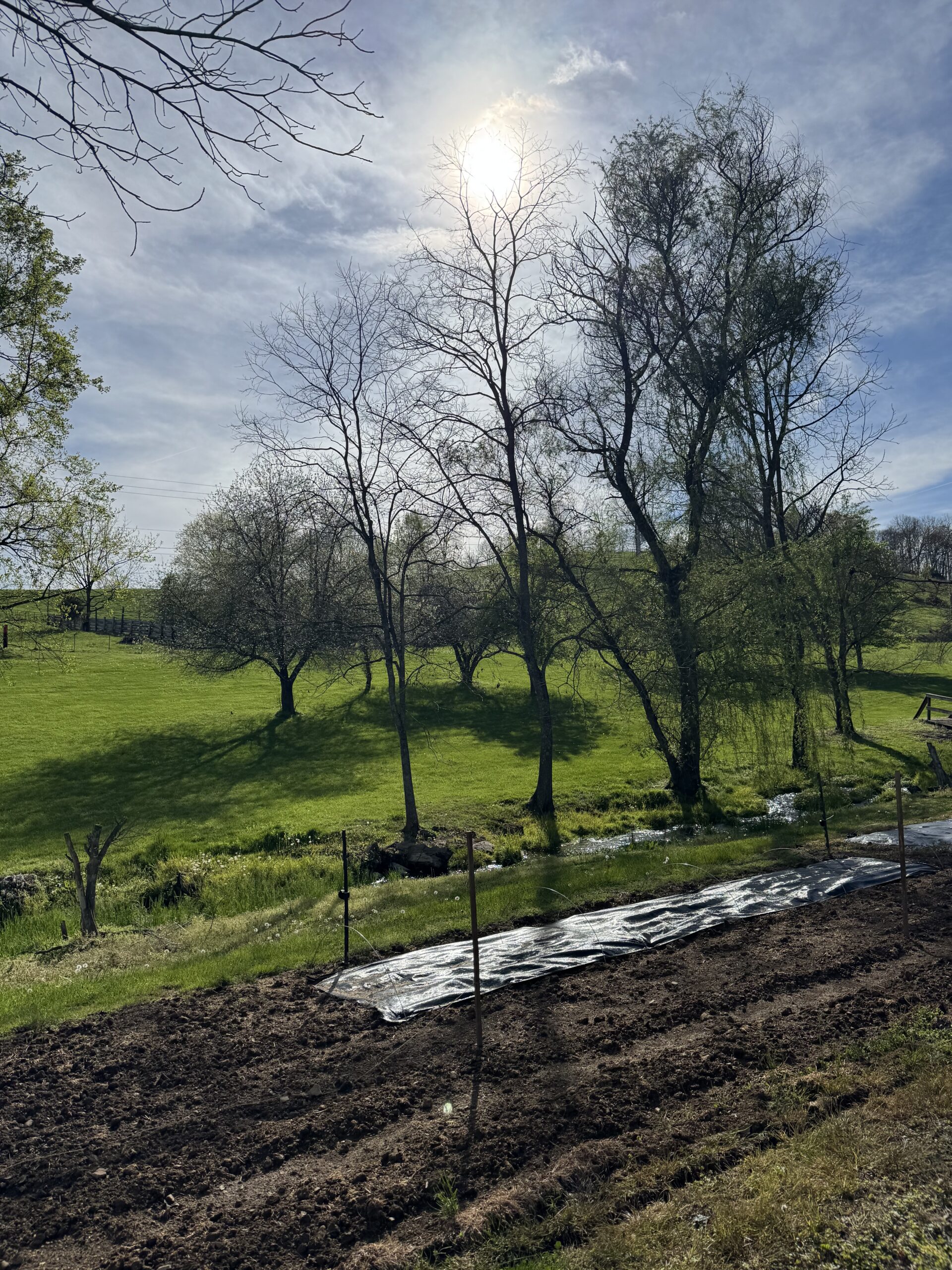
Growing up on a tobacco farm in the foothills of the Appalachian Mountains, I lived mostly as my family had lived for hundreds of years. I lived in an old white farmhouse that had been in my family for generations. We rarely had or watched television. I spent my days playing outside with my cousins and pets. Most of the food we had came from what we raised and grew. Beans and tomatoes were picked and canned in the July summer heat. Potatoes and turnips were dug from the earth on early fall evenings and rested in our cellar, ready to be made into soup on cold January days. We even got our corn ground at an old millhouse a few miles away. I had never eaten store-bought green beans or potatoes.
As I got older, I began to realize our way of life was different from the outside world. I had the opportunity in high school to attend a school where most of the students boarded during the week. I visited their homes in tight subdivisions where they ate little colorful bags of prepackaged fruit gummies for snacks and had fish sticks, fries, and frozen pizzas for dinner. I was mystified that they spent hours watching MTV in their air-conditioned dens for fun. Their lives seemed so convenient. Food was instant and did not take months of planning and work. Many of the teachers I had at school were from urban areas and attended Ivy League colleges. Often, they would make fun of my accent, and other students would giggle. I began to feel that my little spot of heaven on earth was backwards. It was foolish to spend days toiling away in the garden for a few peppers or onions. I worked to change my speech and traded my work boots and Wranglers for Nikes and Gap jeans. I felt I could fit in if I ate the same name brand foods sealed in individual packs.
I began to ask for more things like boxed macaroni and cheese or seasoned boxes of rice. I begged for little plastic pots of fruit drenched in corn syrup and embarrassed at the sound of tin lids popping off crystal-clear Mason jars filled with apples and grapes. Food wrapped in little plastic packages that easily peeled open soothed my anxieties about being different. I remember a teacher telling the class, “The nail that sticks up gets hammered down.” I was willing to be hammered down so that I blended in.
As I grew up, went to college, got married, became a school librarian, and had a family, I moved to the suburbs. My children lived in a subdivision with cable TV, air-conditioning, and iPads. I truly believed that I had assimilated to what the world would judge as a successful life. I fed my family name-brand foods wrapped in cute little packages that bragged about being “heart healthy” or “low in sugar.” I proudly microwaved plastic bags of frozen vegetables, reassured they were the best choices for my growing children.
In my early thirties, I developed breast cancer. I’m not saying prepackaged food caused my cancer; there are probably hundreds of other factors. I did begin to realize I had no connection to the foods I bought to fuel and heal my body and keep my family healthy. I also became aware that most of our foods came from thousands of miles away and were often sprayed with toxic pesticides. As I studied food labels, I discovered jumbles of words I couldn’t pronounce, let alone understand. Canned tomatoes tasted like metal and air. I craved warm, sun-drenched tomatoes plucked from the vine. The more poisons were pushed through my body to kill the cancer, the more I craved sunshine and the green rolling hills of my homeplace.
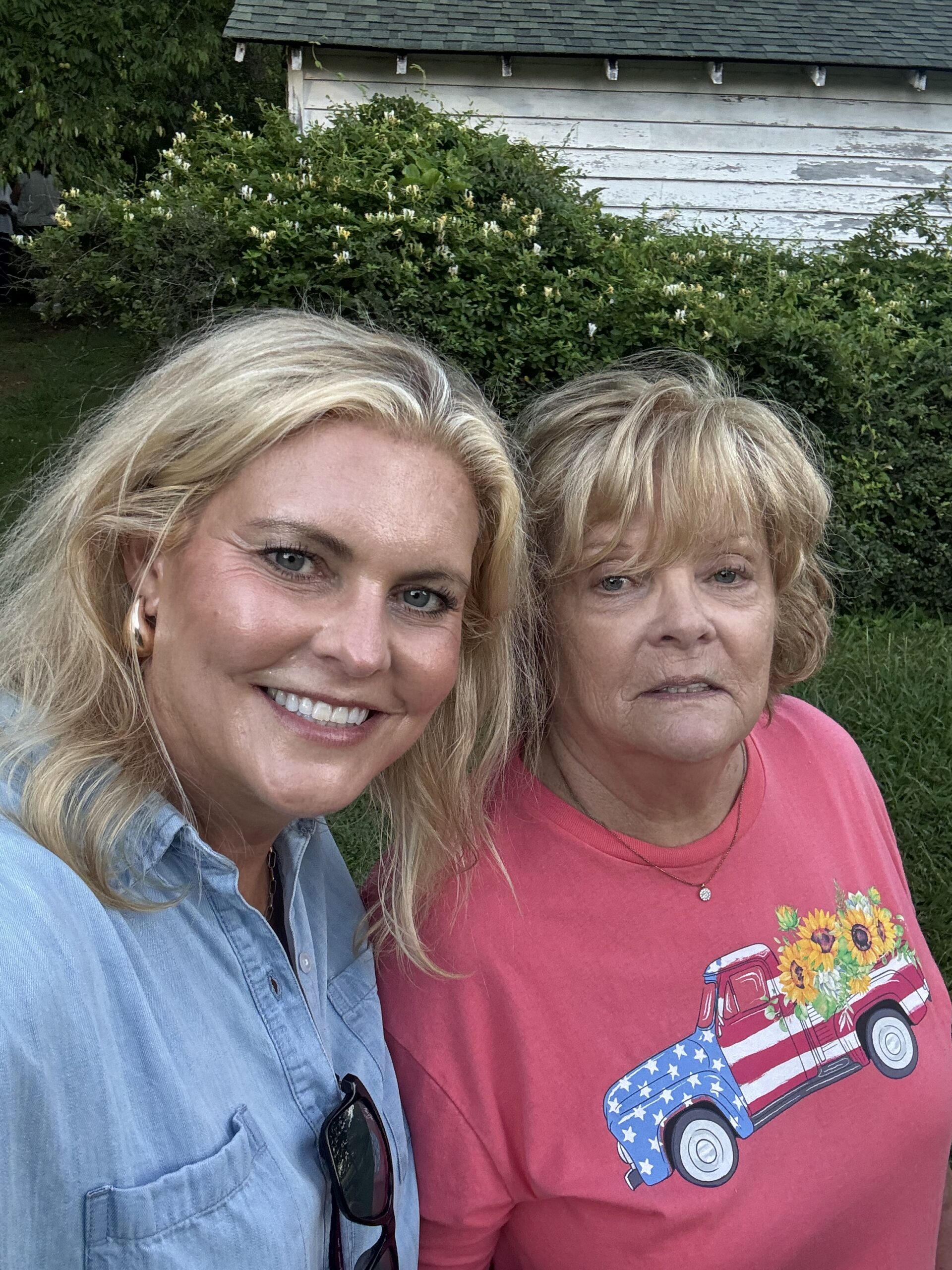
As I have recovered, my priorities have changed. Learning how to make and produce foods for my loved ones has given me a great sense of pride. Things like yogurt are relatively easy to make and taste amazing. Now we are back home in the country and hopefully will move back to the Old Homeplace soon. Last year, I signed up for ARC&D’s Summer Field School; it was one of the best things I have ever done. My mother attended many of the classes with me, and we loved meeting farmers who were enthusiastic about growing things on their land and sharing them with others. I was beyond excited to find out I was accepted into the Backyard Gardening Program. I have already learned so much about planning a graden and growing foods safely without harmful chemicals or pesticides. I am so thankful to be a part of this amazing program. All of the staff have been so enthusiastic and encouraging. I look forward to every class.
This program has allowed me to form a deeper connection with my parents, children and the land as we work together in the garden, tilling the soil and planning food that will sustain us throughout the year. The school where I teach has recently received a grant to purchase a greenhouse, giving me the opportunity to share what I am learning not only with my own children but also with my students. I hope to instill in them a sense of pride in knowing that the best food is not found in little plastic packages, but picked fresh from the backyard. Now, I am grateful I grew up in such a special place—one where I can still step outside, look across the land, and quite literally point to the spot where my dinner came from.


This was such a moving piece to read. Thank you for sharing your life story and journey with us.
Thank you so much for sharing yourself with us! It is so encouraging to read stories like yours and know that there are people like you teaching the next generation how to connect with the natural world and feel proud of their cultural traditions. Truly inspiring!