
New Tricks
The saying goes “You can’t teach an old dog new tricks”. Sometimes it seems that way with gardeners too. It’s been done a certain way for decades even centuries, why change now.
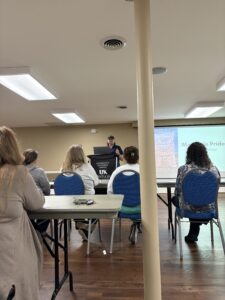
I love introducing new ideas and last night we discussed Trap Cropping in our Garden Planting class. These are experience gardeners and the regular gardening class is something they already know by heart.
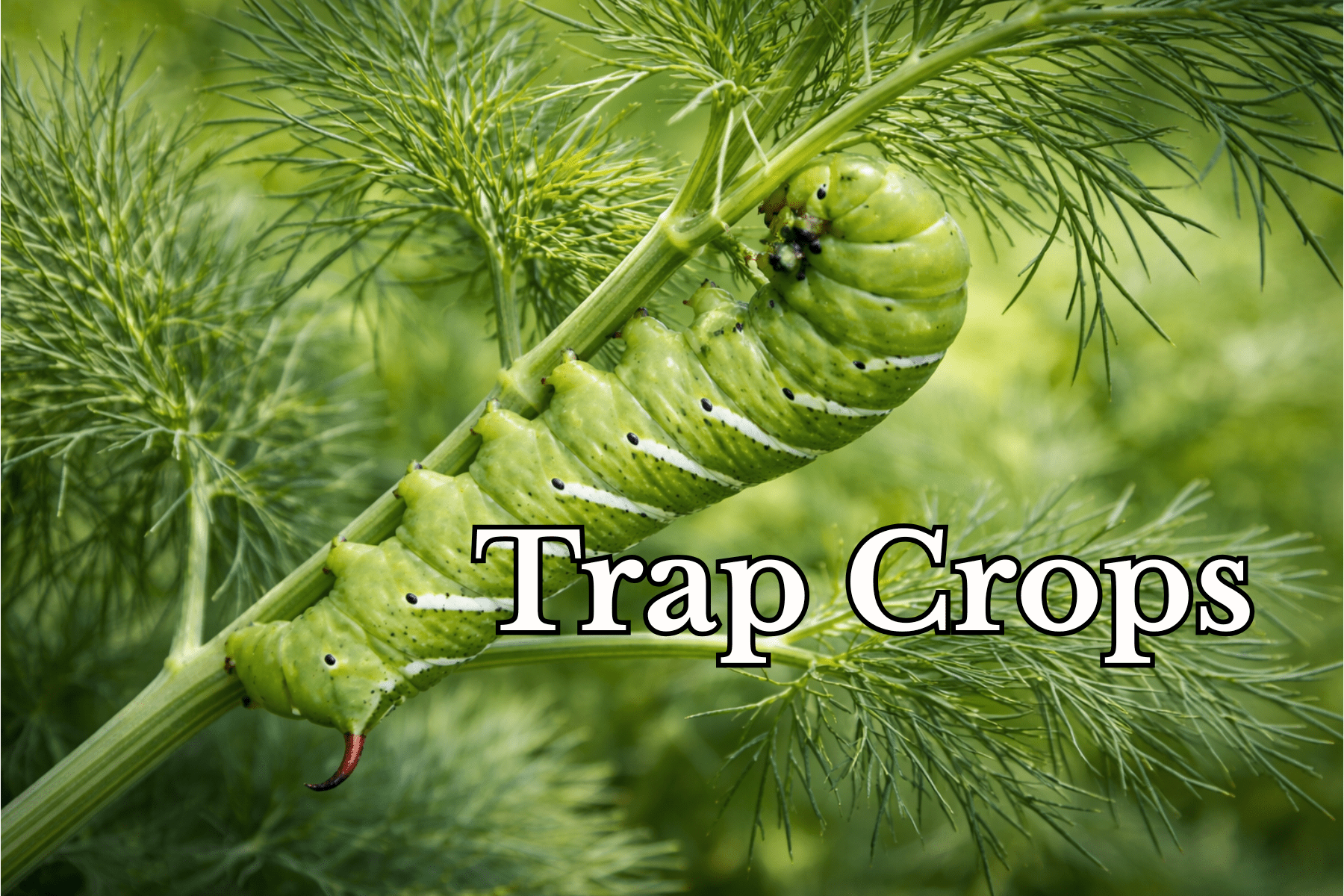
Trap Cropping is the idea of planting certain plants around the border of the garden that garden pest like better than what you plant. One example of this is Dill. Tomato Hornworms are supposed to prefer Dill over tomatoes, but it makes me wonder why they’re not called Dill Hornworms.
But Dill is not the only plant that attracts insects. Other plants will also attract insects for pollination, they will repel pest insects and even attract pest insect predators. Resources about plants and Trap Cropping can be found online and I recommend adding the word “extension” to your search. This will bring up research based results that you can trust. There are several universities and colleges that have great information on this topic.
So what are the other reasons for trap cropping? When it comes to pest management, damage to the crops is reduced, your main crops will need less insecticides, which is always good. You should end up with better and even more produce. Just remember, when pests become substantial on trap crops, you can treat that small area instead of treating the whole garden.
I handed out dill seeds to get my gardeners started. You always want to have the trap crop more mature than your desired crop when your ready plant it. Some sites even suggested planting sacrificial potatoes around the border of your garden about 2 weeks before you plant your main potato crop to keep Colorado potato beetles away. I am really excited to see how this works. I will be continuing to promote this idea throughout the season.
Members received white, red and gold seed potatoes, dill seeds, Bull’s Blood beet seeds, 2 bags of Mountain Pride fertilizer, pea seeds, mustard, lettuce seeds and yellow onion sets. We had 45 people in attendance and all seemed excited about trying the Trap Crops.



I am going to try these trap crops now too! Thanks Michelle.