Through the long, treacherous winter months, the High Rocks Local Foods Team has been digging deep — not in soil, but in development work. For more than a decade, we have intentionally leveraged the trusted support of Grow Appalachia to ensure our program’s impact is not only meaningful in the moment, but lasting. As we begin each growing season, we have to take the time to ask ourselves: How can we keep building on this important work and strengthen our impact?
At High Rocks, we believe the most important investment is the one we make in young people. We recognize that they are the ones who will carry traditions, knowledge, and practical skills forward into the future of Appalachia and our regional food systems. While food access and local food production remain central to this work, we also understand that the challenges facing families in Appalachia are layered and complex — and that we cannot continue to build impact without acknowledging this reality.
To create lasting change, we had to reflect not only on what we offer, but on the barriers that affect whether people can engage at all. Transportation limitations, lack of childcare, and restricted time due to work schedules are persistent challenges across the communities we serve. These barriers can prevent folks from fully participating in the Grow Appalachia program, regardless of interest or need.
Because of this, our approach has to be intentional. We have to continue to adapt and evolve to address these realities head-on. We have to think critically about access at every stage of program design — asking not just how to deliver an impactful Grow Appalachia program, but how to make it truly reachable and positioned for lasting impact.
This includes integrating childcare solutions through planning mini-series activities for children as an addition to each of our workshops, scheduling workshops with working families in mind, and identifying transportation supports and hosting in central locations whenever possible. While electronic evaluation may be the easiest method for program tracking, it is not always the most accessible for participants. We remain mindful of this balance and will be consistently offering alternative ways to capture meaningful feedback through this program year — allowing us to measure impact while continuing to adapt our program based on the voices and experiences of our growers.
By addressing these intersecting barriers alongside food access, we strengthen participation, deepen trust, and ensure that the knowledge, resources, and opportunities offered through our Grow Appalachia program are positioned to create sustainable, long-term change within the communities we serve. Our partnership with Grow Appalachia allows us not only to grow food, but to grow opportunity, leadership, and resilience in the communities we serve.
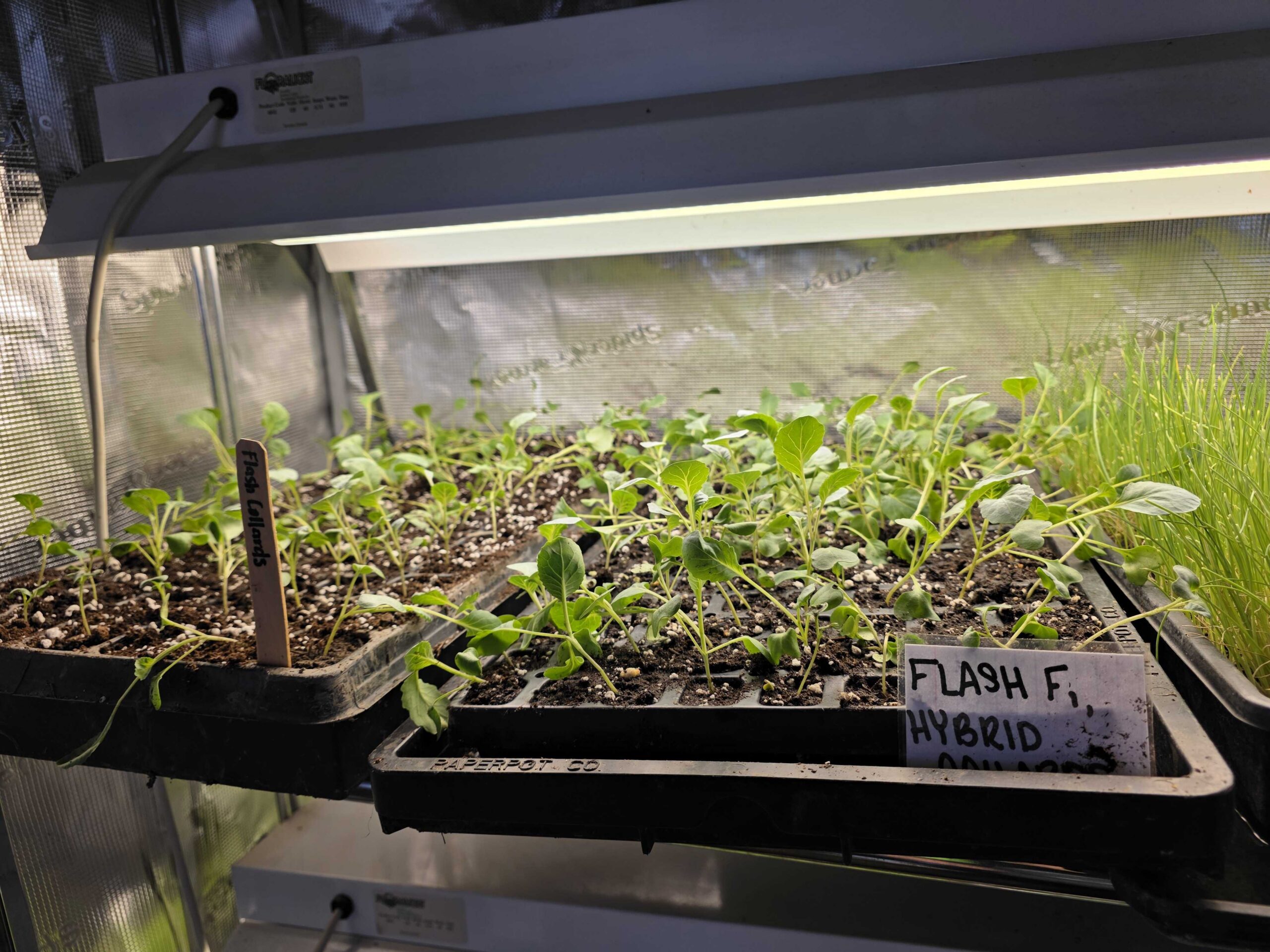
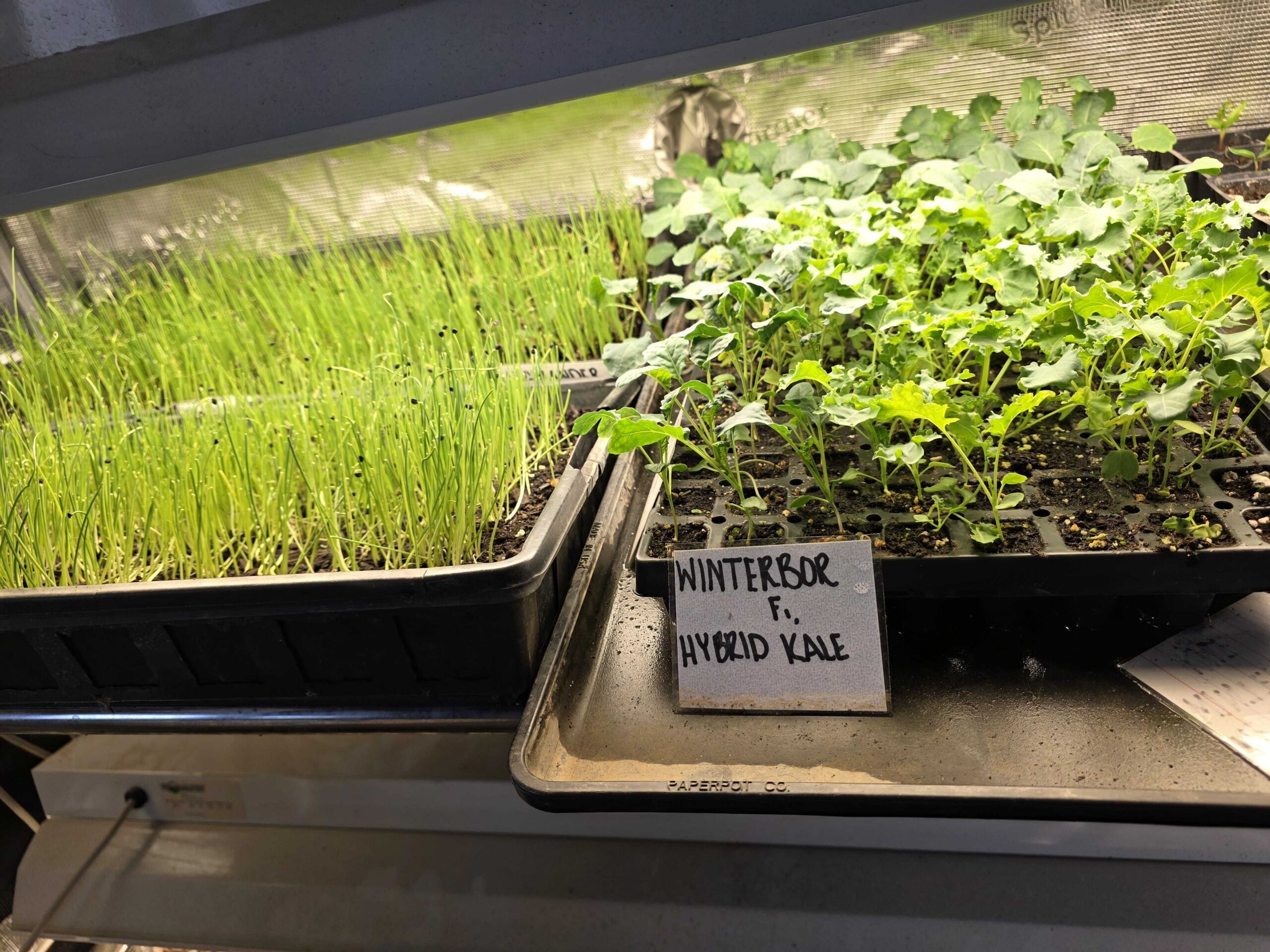
Spring Plant Starts Grown From Seed
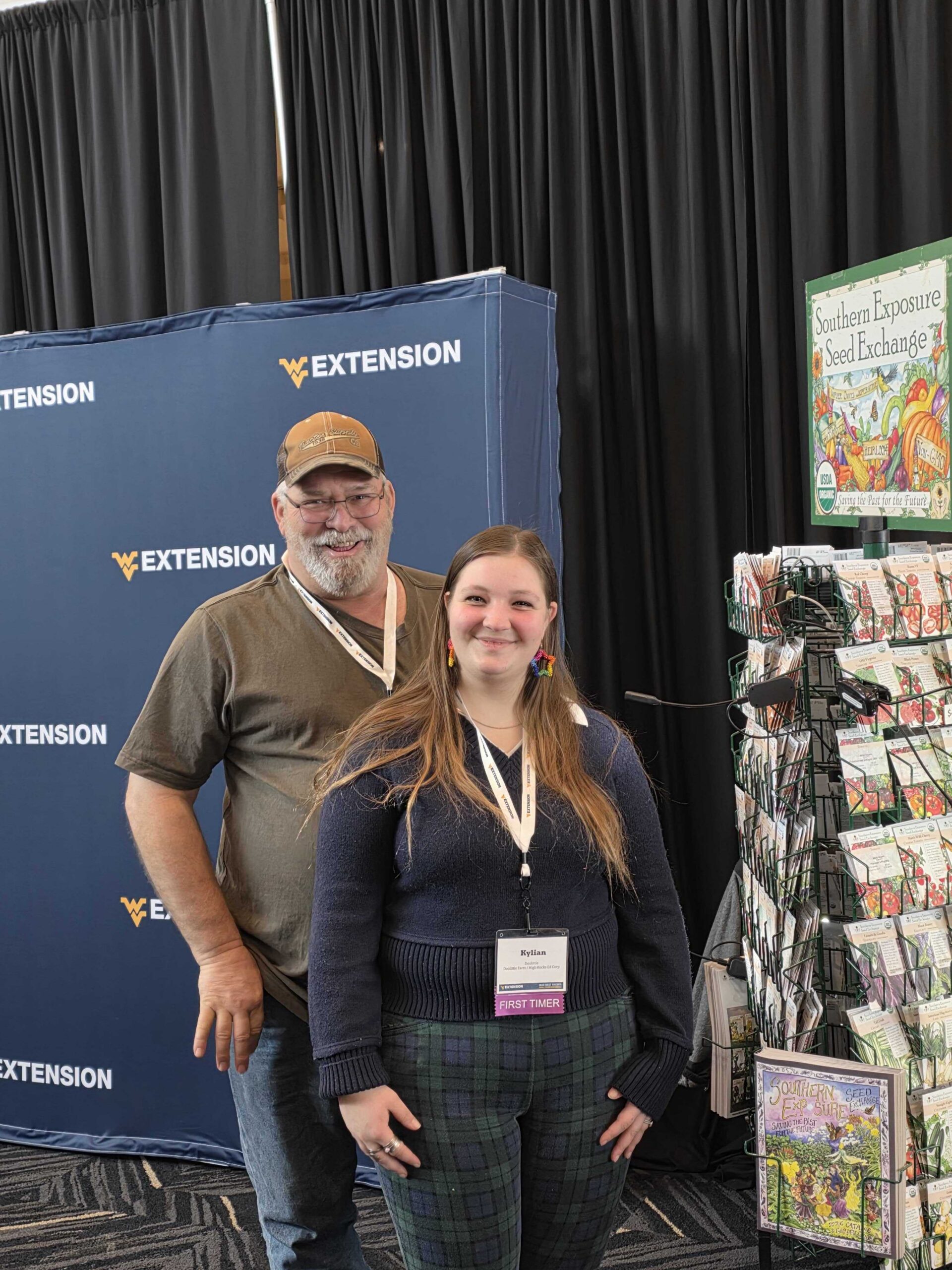
Farm Manager, Steve Saffel, and Development Associate, Kylian Doolittle at the 2026 WV Small Farms Conference
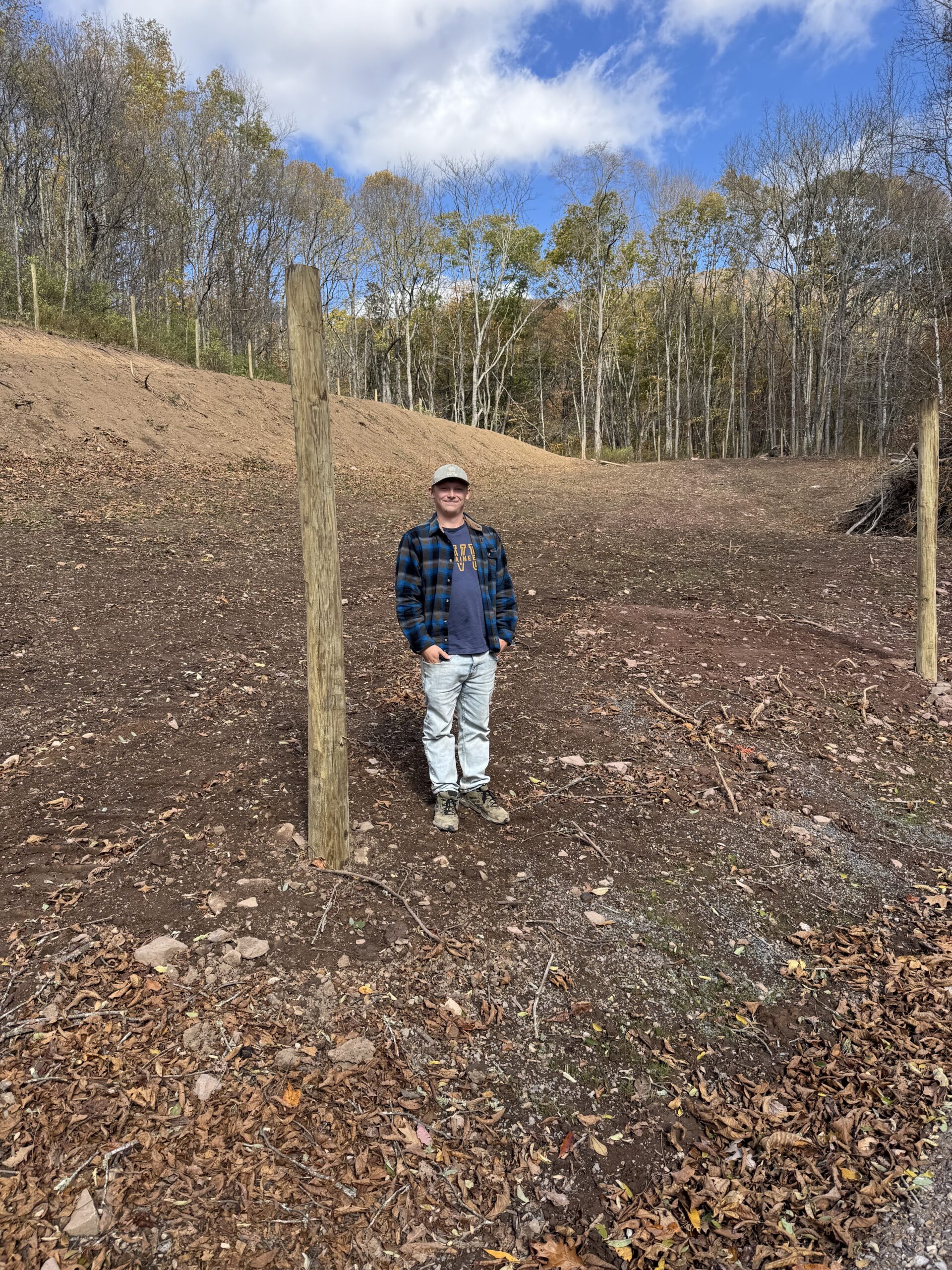
Lead Farm Apprentice, Emmet Doolittle, in our newly excavated apple orchard site.
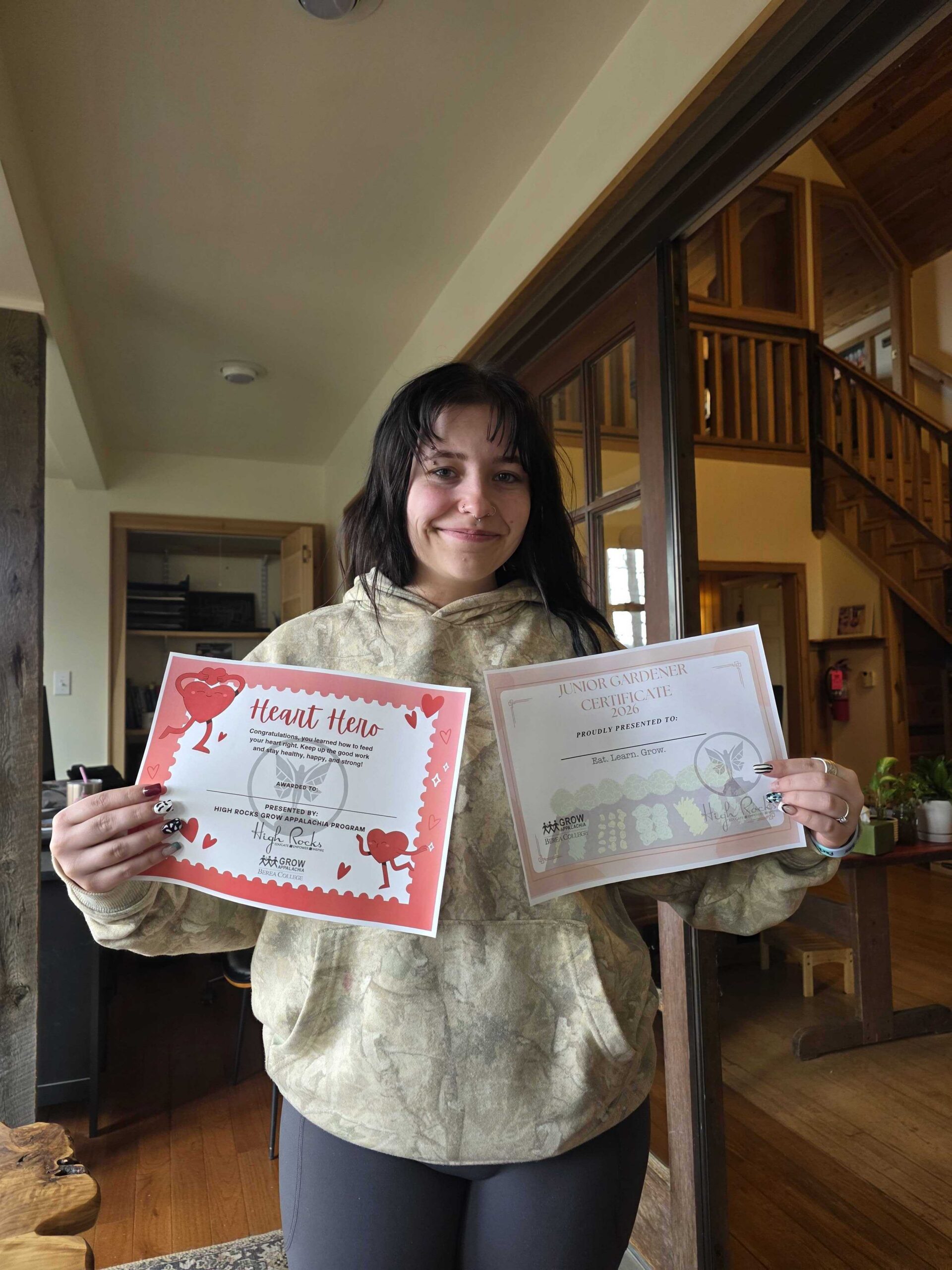
AmeriCorps member, Kiristen Reed, working on handouts for workshops and junior gardener certificates.


Leave A Comment