
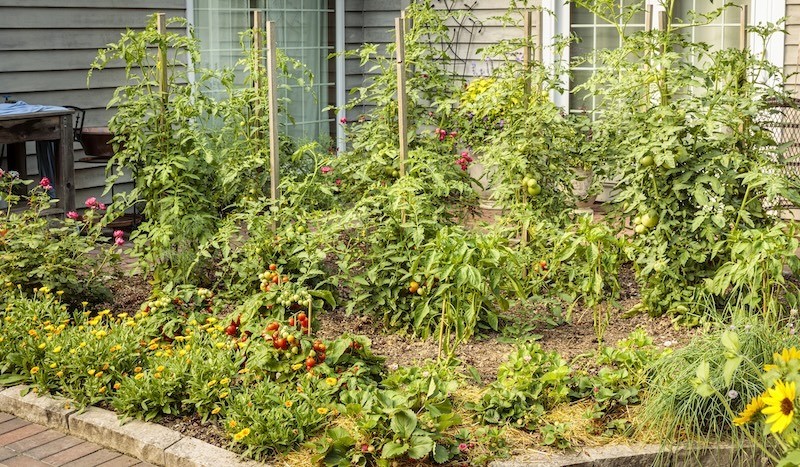
The garden planning period is in motion in our Backyard Gardeners program at Grow Ohio Valley, and we are encouraging our gardeners to plan their gardens with a few agroecological growing techniques in mind.
According to the FAO, agroecology is “a holistic and integrated approach that simultaneously applies ecological and social concepts and principles to the design and management of sustainable agriculture and food systems. It seeks to optimize the interactions between plants, animals, humans and the environment while also addressing the need for socially equitable food systems”.
The techniques we are outlining for our gardeners include intercropping companion plants, avoiding planting similar crop species next to each other, integrated pest management and cover cropping. In utilizing these techniques, gardeners will be able to slow or prevent pest and disease damage, attract pollinators and other beneficial insects, prevent weed growth, maintain soil health and increase nutrient cycling. These techniques will allow gardeners to save time, energy and money in the long term by building resilience and reducing inputs such as herbicides, pesticides, or fertilizer.
Planting herbs and flowers around the edges of your garden beds, as well as in between other food crops can repel pests or act as a trap crop, which protects your primary crop from damages. The trap crops or companion plants that are used can also be consumed even if they become damaged by pests, as long as they are washed thoroughly. Using this method increases edible harvests in the garden, reduces the time and energy needed for weed management, and invites important pollinator species to your garden, which are necessary for developing fruit and new growth on your plants.
Some seeds and transplants that our program offers that would make great trap crops or companions include:
Nasturtium (a peppery edible flower)
Dill
Cilantro
Basil
Parsley
Onion
Sunflowers
Gardeners should avoid planting certain crop species next to each other if they compete for similar resources or share pests, such as potatoes and tomatoes (e.g., Colorado potato beetle, psyllids, hornworms). However, planting tomatoes next to basil and parsley can repel aphids and tomato hornworms, as well as attract parasitic wasps which prey on damaging pests.
We highly recommend researching ideal companions and trap crops for the exact crops you are looking to grow in your own garden this season, as these techniques will promote healthy gardens, healthy ecology, and healthy people.
Written by Kara McNab, B.S. Sustainable Food and Farming, Americorps Member Serving and Grow Ohio Valley



Leave A Comment